The Science Behind Cryopreservation
Jan. 6, 2026, 6:46 a.m.
Overview
Cryopreservation lets us freeze cells, tissues, and organs at very low temperatures to keep them alive for future use. This technology plays a key role in medicine, especially in preserving fertility for people facing health challenges or life choices.
Have you ever wondered how scientists can pause life at a cellular level? The science behind cryopreservation makes it possible. It involves cooling biological materials to temperatures as low as -196 degrees Celsius using liquid nitrogen. At this point, all biological activity stops, allowing long-term storage without decay.
I remember reading about early experiments in the 1940s when researchers first froze sperm successfully. It felt like science fiction back then, but today it's a routine part of medical care. This process helps people preserve their chances of having children later in life.
How Cryopreservation Works
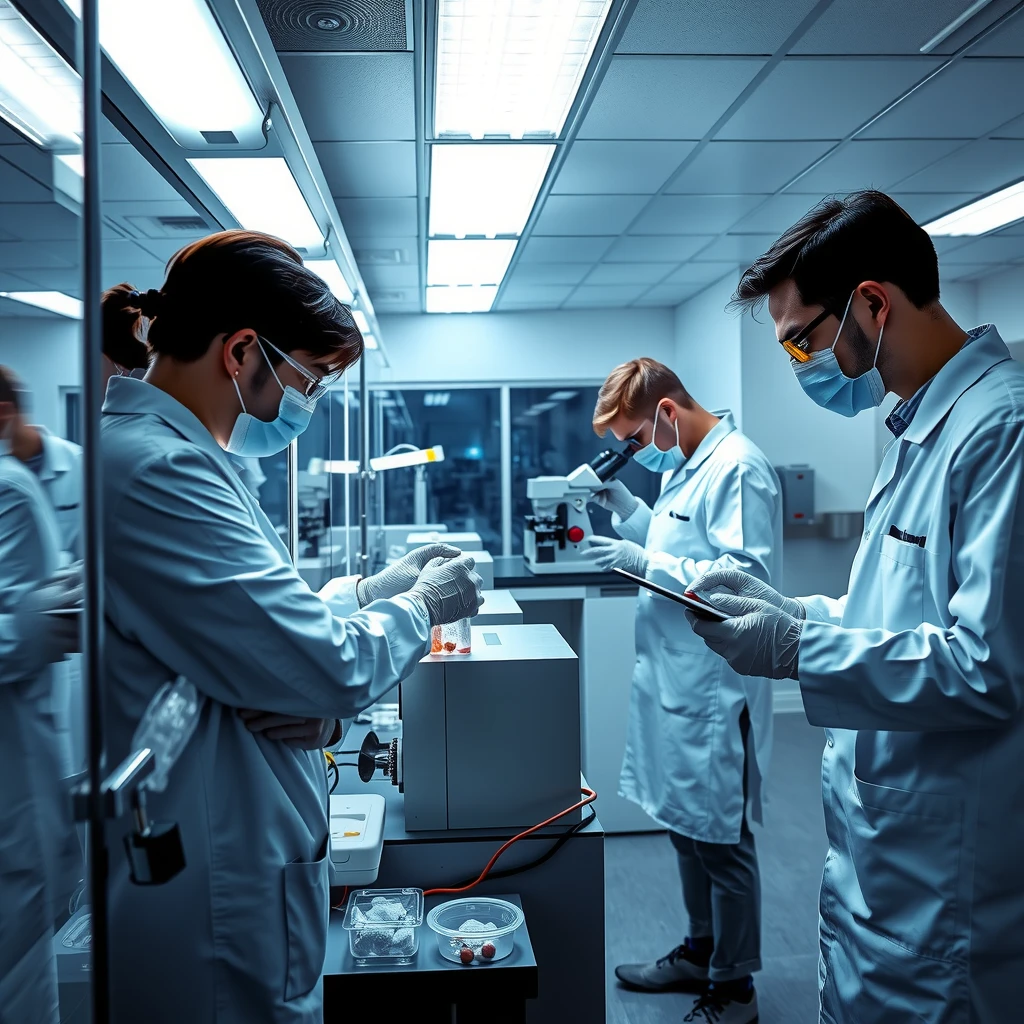
The main challenge in freezing living things is ice formation. Ice crystals can puncture cell membranes and cause damage. To avoid this, scientists use a method called vitrification. It turns the sample into a glass-like state without forming ice.
Here's a simple breakdown: - Preparation: Treat the sample with cryoprotectants to protect cells. - Cooling: Rapidly lower the temperature to prevent ice. - Storage: Keep in liquid nitrogen tanks. - Thawing: Warm up carefully and remove protectants.
This approach has saved countless lives by storing organs, blood, and more.
In my view, the real magic happens at the molecular level. Water inside cells wants to freeze and expand, but we trick it into staying liquid-like. This insight came from nature—some animals, like wood frogs, survive freezing winters by producing their own antifreeze.
The Role of Cryoprotectants in Fertility Preservation
Cryoprotectants are special chemicals that shield cells from cold damage. Common ones include glycerol and dimethyl sulfoxide (DMSO). They work by lowering the freezing point and preventing ice crystals.
In fertility preservation, these agents are vital. For example, when freezing eggs or sperm, cryoprotectants help maintain cell structure. Without them, survival rates drop sharply. Studies show that using the right mix can boost success by over 90% in some cases.
Think about a young woman facing cancer treatment. Chemotherapy can harm her eggs, so she opts for fertility preservation. Doctors harvest her eggs, treat them with cryoprotectants, and freeze them. Years later, she can thaw them for IVF. It's a game-changer.
From what I've learned, choosing the right cryoprotectant matters a lot. Some are better for eggs, others for embryos. Researchers constantly test new combinations to reduce toxicity while improving protection.
Embryo Cryopreservation: A Closer Look
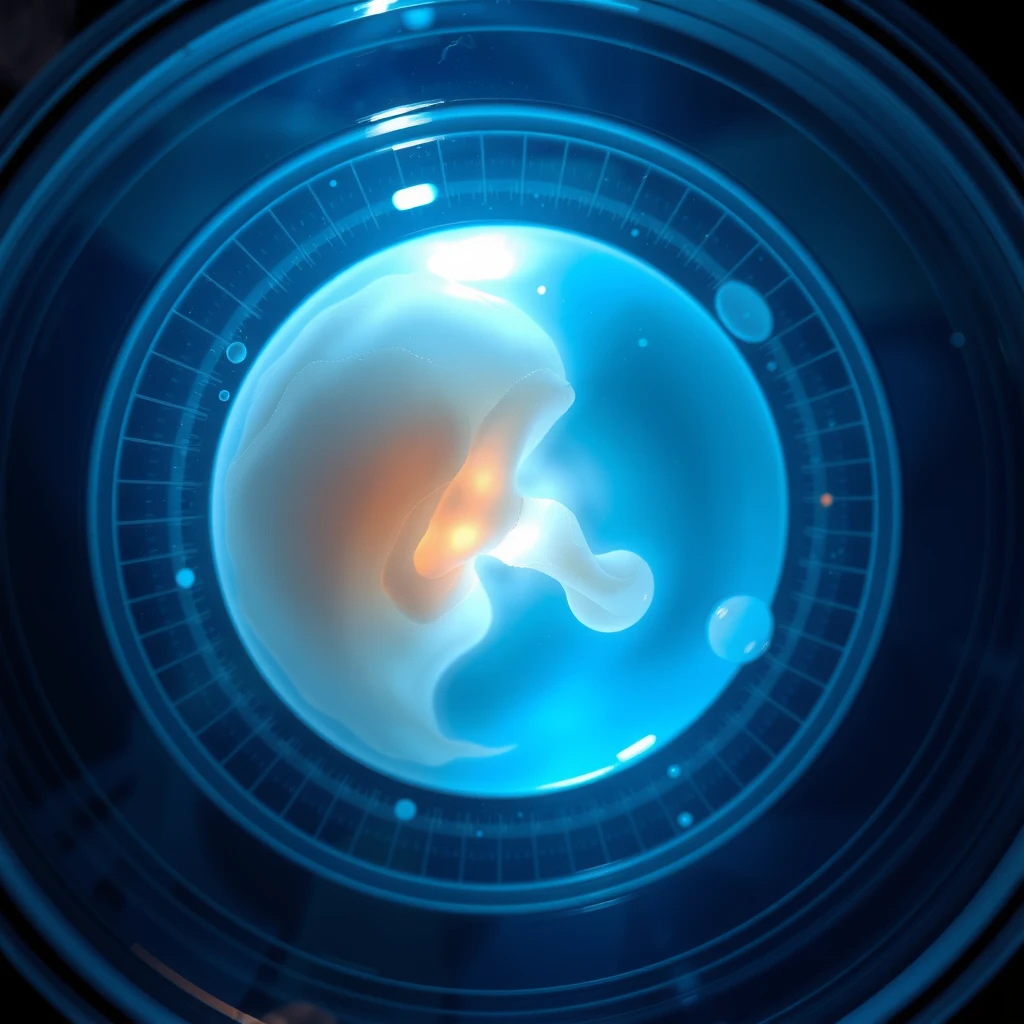
Embryo cryopreservation takes fertility preservation to the next level. During IVF, doctors create embryos in the lab, then freeze extras for later use. This increases chances of pregnancy without multiple egg retrievals.
The process starts with stimulating ovaries to produce eggs. After fertilization, embryos grow for a few days. Then, they're cooled rapidly using vitrification. Survival rates now exceed 95%, thanks to better techniques.
One tip for anyone considering this: Talk to your doctor about pre-implantation genetic testing. It checks embryos for issues before freezing, raising success odds.
I've heard stories from friends who used embryo cryopreservation. One couple froze embryos before the husband deployed overseas. When he returned, they had a healthy baby. It shows how this tech supports real-life needs.
Latest Advancements in Embryo Cryopreservation Technology
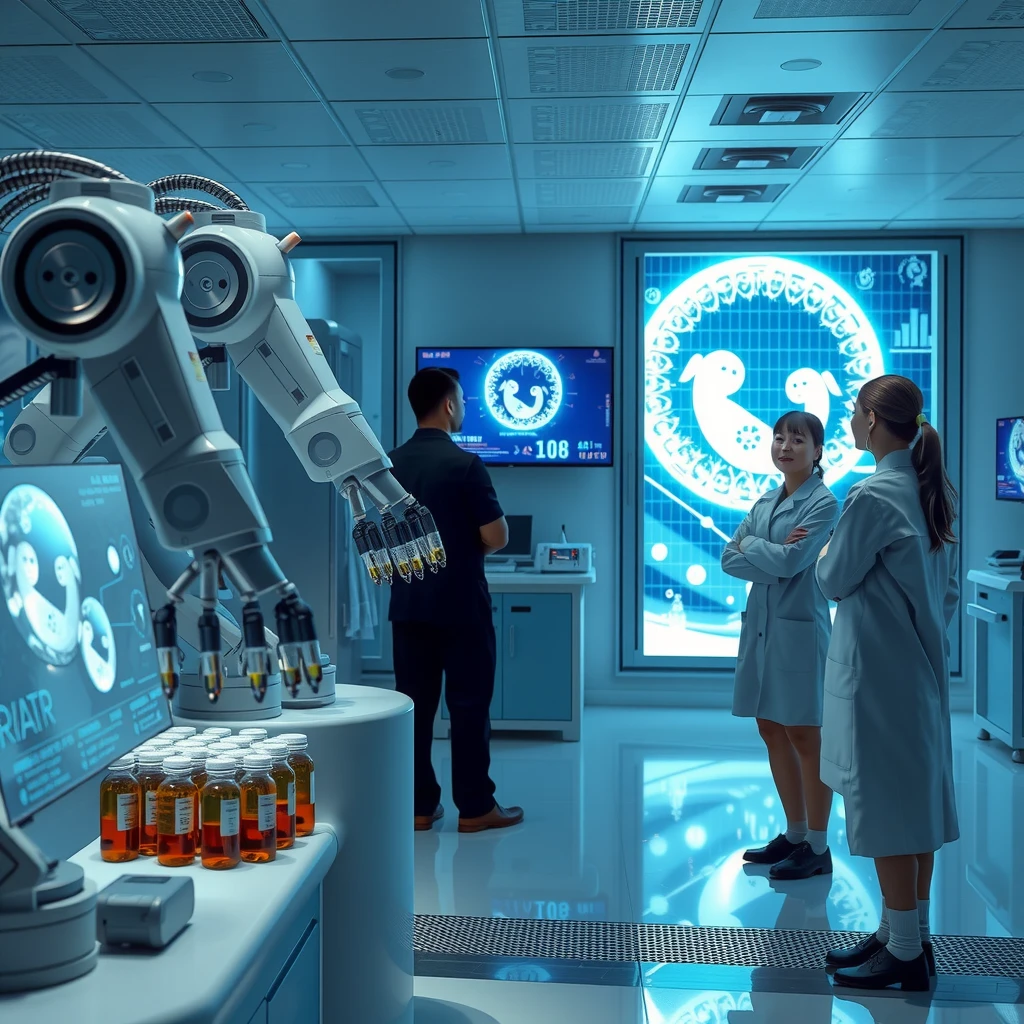
Science doesn't stand still. As of 2026, new developments are exciting. AI now helps select the best embryos for freezing by analyzing images and predicting viability. This tech cuts failure rates.
Another breakthrough is ultra-rapid vitrification. It freezes samples faster, reducing damage. Researchers at Texas A&M pioneered methods to prevent organ cracking during freezing, which could extend to embryos.
New cryoprotectants with less toxicity are in trials. For instance, combinations of ethylene glycol and sucrose show promise in preserving sperm and eggs better. These changes make fertility preservation more accessible.
In recent years, stem cell integration has emerged. Scientists explore freezing stem cells that could grow into eggs or sperm later. While still experimental, it offers hope for those with no gametes.
Here's a table of key advancements:
| Advancement | Description | Impact |
|---|---|---|
| AI Selection | Uses machine learning to pick viable embryos | Higher success rates |
| Ultra-Rapid Vitrification | Faster freezing to avoid ice | Better survival |
| Novel Cryoprotectants | Less toxic agents | Safer for cells |
| Genetic Screening | Tests before freezing | Reduces risks |
These steps forward mean more people can plan families on their terms.
Benefits and Potential Risks
The upsides are clear: Preserve fertility against age, illness, or career demands. It empowers choices. For cancer patients, it's often covered by insurance now.
But risks exist. Thawing might not always work, and there's a small chance of birth defects, though studies show it's minimal. Always weigh options with experts.
From my perspective, the benefits outweigh risks for most. It's like buying insurance for your future family.
Wrapping It Up
The science behind cryopreservation transforms lives by halting time at the cellular level. From cryoprotectants safeguarding cells to the latest advancements in embryo cryopreservation technology, this field offers real hope for fertility preservation.
If you're thinking about it, start with a consultation. Knowledge is power here.