Environmental Toxins and Infertility: Insights from NCBI Bookshelf and Beyond
Jan. 5, 2026, 6:35 a.m.
Overview
Environmental toxins surround us in air, food, water, and products we use daily. These substances can disrupt hormones, damage sperm and eggs, and contribute to infertility. As highlighted in the NCBI Bookshelf resource 'Environmental Toxins and Infertility,' these threats are real and growing, affecting millions trying to conceive.

You might wonder how something invisible like pollution affects your chances of starting a family. Research shows clear links between exposure to certain chemicals and reduced fertility. For instance, endocrine-disrupting chemicals mimic hormones, throwing off the delicate balance needed for reproduction.
The NCBI Bookshelf chapter on Environmental Toxins and Infertility explains that substances like pesticides, heavy metals, and plastics infiltrate our lives. They pose risks through anatomical changes or hormonal disruptions.
Common Environmental Toxins Affecting Fertility
Many toxins act as endocrine disruptors. These include: - Bisphenol A (BPA) and phthalates found in plastics - Pesticides on non-organic produce - Heavy metals like lead, mercury, and cadmium - Air pollutants from traffic and industry
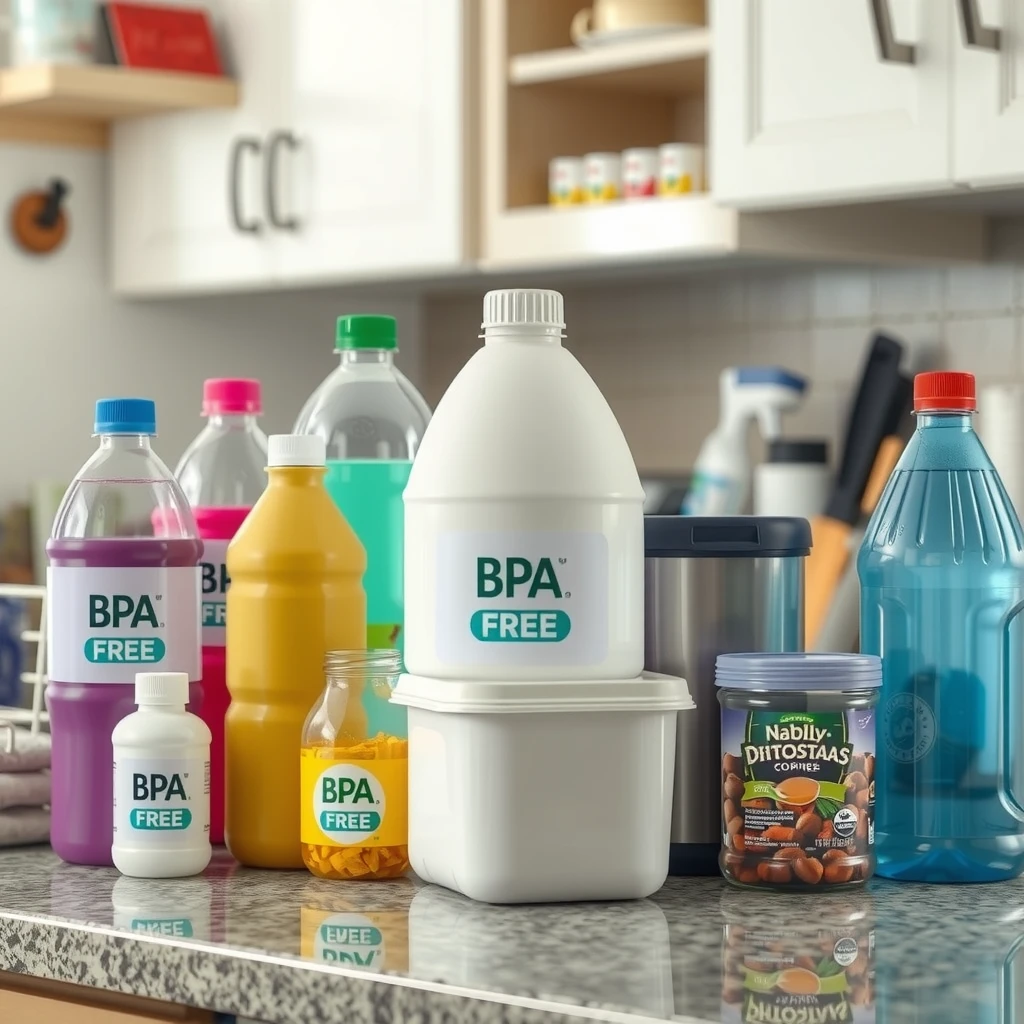
These chemicals interfere with hormone signaling. In women, they can cause irregular cycles, reduced egg quality, or conditions like PCOS. In men, they lower sperm count and motility—a key factor in sperm quality and environmental factors.
Air pollution plays a big role too. Studies link higher particulate matter exposure to lower success rates in IVF and natural conception. The effects of pollution on fertility include oxidative stress that damages reproductive cells.
How Toxins Impact Male Fertility
Men face significant risks. Sperm quality and environmental factors are closely tied. Toxins reduce sperm concentration, motility, and morphology. Heavy metals like cadmium accumulate and harm sperm production directly.
Smoking and alcohol amplify these effects, but even passive exposures matter. Living near busy roads increases risks due to constant pollutant intake.
Protecting Female Fertility from Environmental Toxins
Women carry a fixed egg supply from birth. Toxins accelerate egg loss or damage quality. Protecting female fertility from environmental toxins starts with awareness.
Key steps include: - Choosing organic foods to cut pesticide exposure - Using glass or stainless steel instead of plastic - Filtering water and air in your home - Avoiding canned foods lined with BPA
Simple changes add up. Eat fresh, whole foods. Limit processed items. Opt for natural personal care products without parabens or phthalates.

Actionable Ways to Reduce Exposure
Here’s a practical list to lower your risks:
| Action | Benefit |
|---|---|
| Buy organic produce | Reduces pesticide intake |
| Use HEPA air filters | Lowers indoor pollutants |
| Avoid heating food in plastic | Prevents chemical leaching |
| Choose low-mercury fish | Limits heavy metal buildup |
| Quit smoking and limit alcohol | Boosts overall fertility |
These habits support better hormone balance and cell health.
Many couples share stories of improved fertility after detoxing their homes and diets. One pair switched to organic eating and saw sperm parameters improve within months. Small steps create real change.
While we can't eliminate all toxins, reducing exposure empowers you. Combine this with a healthy weight, regular exercise, and stress management for the best results.
Summary
Environmental toxins contribute to rising infertility rates worldwide. From plastics to pollution, these substances disrupt hormones and damage reproductive cells. But you hold power through daily choices. Focus on clean eating, safe products, and a toxin-minimized home to protect your fertility journey.