WebMD: Understanding Male Infertility Treatments
Jan. 2, 2026, 6:36 a.m.
Overview
Male infertility impacts one in six couples trying to start a family. This article breaks down the causes, how doctors diagnose it, and proven treatments like those outlined in WebMD: Understanding Male Infertility Treatments - https://www.webmd.com/infertility-and-reproduction/male-fertility-treatments. We'll also cover gonadotropin therapy and fresh insights from endocrinology research.

What Is Male Infertility?
Male infertility happens when a man can't help his partner get pregnant after a year of trying. It often stems from issues with sperm production or delivery. Many men feel shocked when they learn about it, but the good news is that treatments exist and work for many.
I've talked to guys who went through this. One friend said it felt like a punch to the gut at first, but learning about options turned things around for him.
Common Causes of Male Infertility
Several factors can lead to male infertility. Let's look at the main ones:
- Sperm Problems: Low count, poor movement, or odd shapes make it hard for sperm to reach the egg.
- Blockages: Scars from infections or surgery can block sperm pathways.
- Hormone Issues: Low levels of key hormones like testosterone disrupt sperm making.
- Lifestyle Choices: Smoking, heavy drinking, or being overweight can harm sperm quality.
- Other Factors: Things like varicocele (swollen veins in the scrotum) or genetic conditions play a role too.
From what I've seen, simple changes can sometimes fix these issues without big interventions.
How Doctors Diagnose Male Infertility
Diagnosis starts with a chat about your health history and a physical check. Then comes the semen analysis – that's where they test your sample for sperm count, shape, and speed.
Other tests might include:
- Blood work to check hormone levels.
- Ultrasound to spot blockages or varicose veins.
- Genetic tests if needed.
It's straightforward, and knowing the cause helps pick the right fix. Sites like Mayo Clinic explain this well in their guide on male infertility diagnosis and treatment.
Exploring Male Infertility Solutions
Treatments vary based on the cause. Let's dive into the options.
Lifestyle Changes
Start here if possible. Quit smoking, cut back on alcohol, eat better, and exercise. Research shows men who work out three times a week see better sperm counts. Small steps like these boosted my buddy's results before he needed more help.
Medications and Hormone Treatments
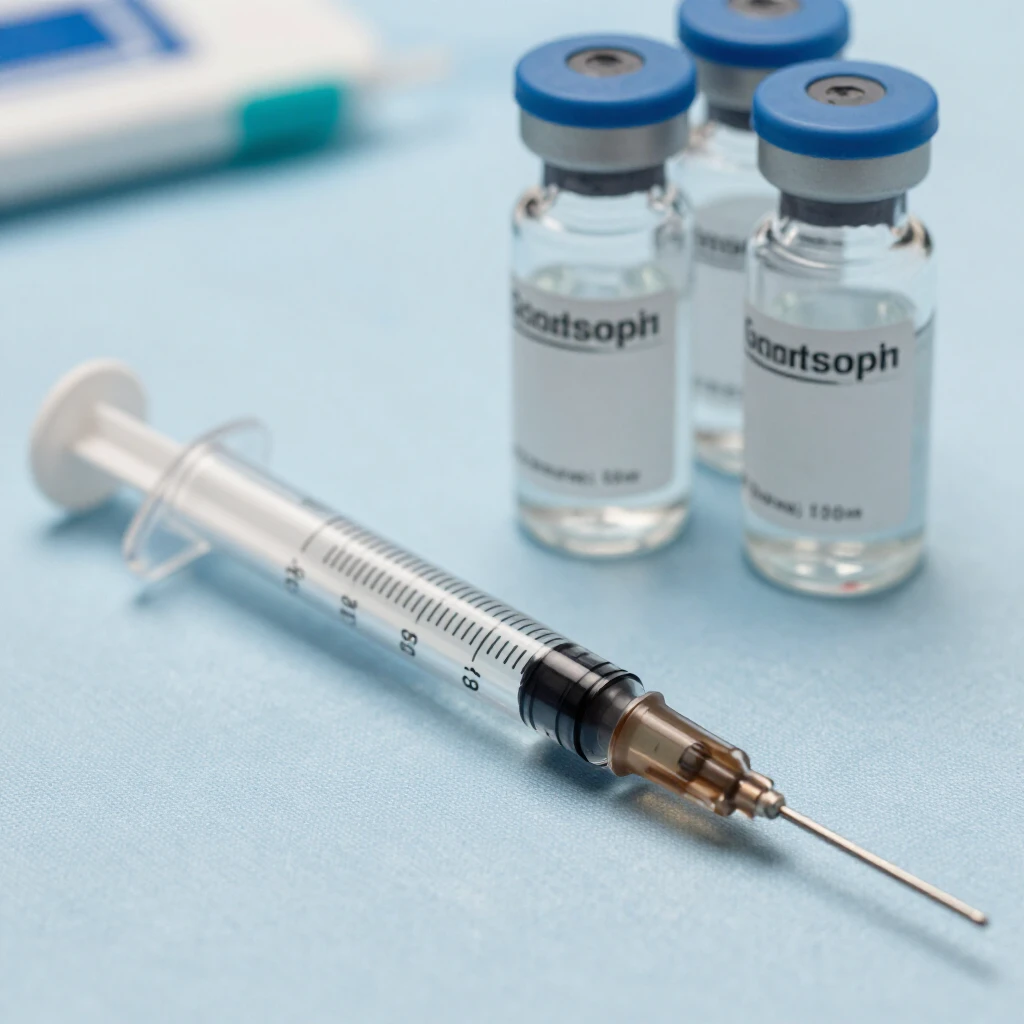
For hormone problems, doctors often use gonadotropins. These are injections that mimic natural hormones to kickstart sperm production.
Check out Gonadotropin Therapy for Male Infertility - https://www.endocrine.org/patient-engagement/endocrine-library/male-infertility for details. It's great for men with low gonadotropin levels from pituitary issues.
The latest research on gonadotropins in endocrinology is exciting. A 2025 study in the Journal of Clinical Endocrinology & Metabolism found that combined gonadotropin therapy induces sperm in over 80% of deficient men. Another from Wiley shows human chorionic gonadotropin helps even in tough cases like azoospermia.
Side effects? Mild ones like swelling at the shot site or mood changes, but benefits often outweigh them.
Surgery
If there's a blockage or varicocele, surgery can fix it. Varicocele repair improves sperm quality in about 60% of cases. It's outpatient and recovery is quick.
Assisted Reproductive Techniques (ART)
When other fixes don't work, ART steps in:
- Intrauterine Insemination (IUI): Washed sperm goes directly into the uterus.
- In Vitro Fertilization (IVF): Eggs and sperm meet in a lab.
- Intracytoplasmic Sperm Injection (ICSI): One sperm injects into an egg – super effective for low counts.
WebMD notes ICSI as a game-changer for severe cases.
Here's a quick table on treatment success rates:
| Treatment | Success Rate | Best For |
|---|---|---|
| Lifestyle Changes | 20-30% improvement in sperm | Mild issues |
| Gonadotropins | 70-90% sperm induction | Hormone deficiency |
| Surgery | 50-70% | Blockages/varicocele |
| ICSI | 40-50% pregnancy per cycle | Severe low count |
These numbers come from sources like Cleveland Clinic and recent studies.

Personal Insights and Actionable Tips
From chats with affected men, staying positive matters. One guy shared how tracking his health app data helped spot patterns before seeing a doctor. Join support groups – they offer real stories and tips.
Action steps: 1. Get tested early if conception takes time. 2. Talk openly with your partner. 3. Follow doctor advice on treatments like gonadotropins.
Remember, infertility doesn't define you. Many couples succeed with help.
Summary
Male infertility is common but treatable. From lifestyle tweaks to advanced options like gonadotropin therapy, solutions abound. The latest research on gonadotropins in endocrinology shows high success in boosting sperm. If you're facing this, consult a specialist – hope is real.