Understanding PCOS and Its Impact on Fertility
Dec. 31, 2025, 6:37 a.m.
Overview
Polycystic Ovary Syndrome (PCOS) affects up to 1 in 10 women of reproductive age. It disrupts hormones, leading to irregular periods, excess hair growth, acne, and often infertility. Understanding PCOS and its impact on fertility is key to managing symptoms and achieving pregnancy.
Many women feel frustrated when trying to conceive with PCOS. I remember hearing stories from friends who went months without a period, wondering if they'd ever have a baby. You're not alone—this condition is common, but manageable.
What Is PCOS?
PCOS is a hormonal imbalance where your ovaries produce too many androgens (male hormones). This stops eggs from maturing and releasing properly each month.
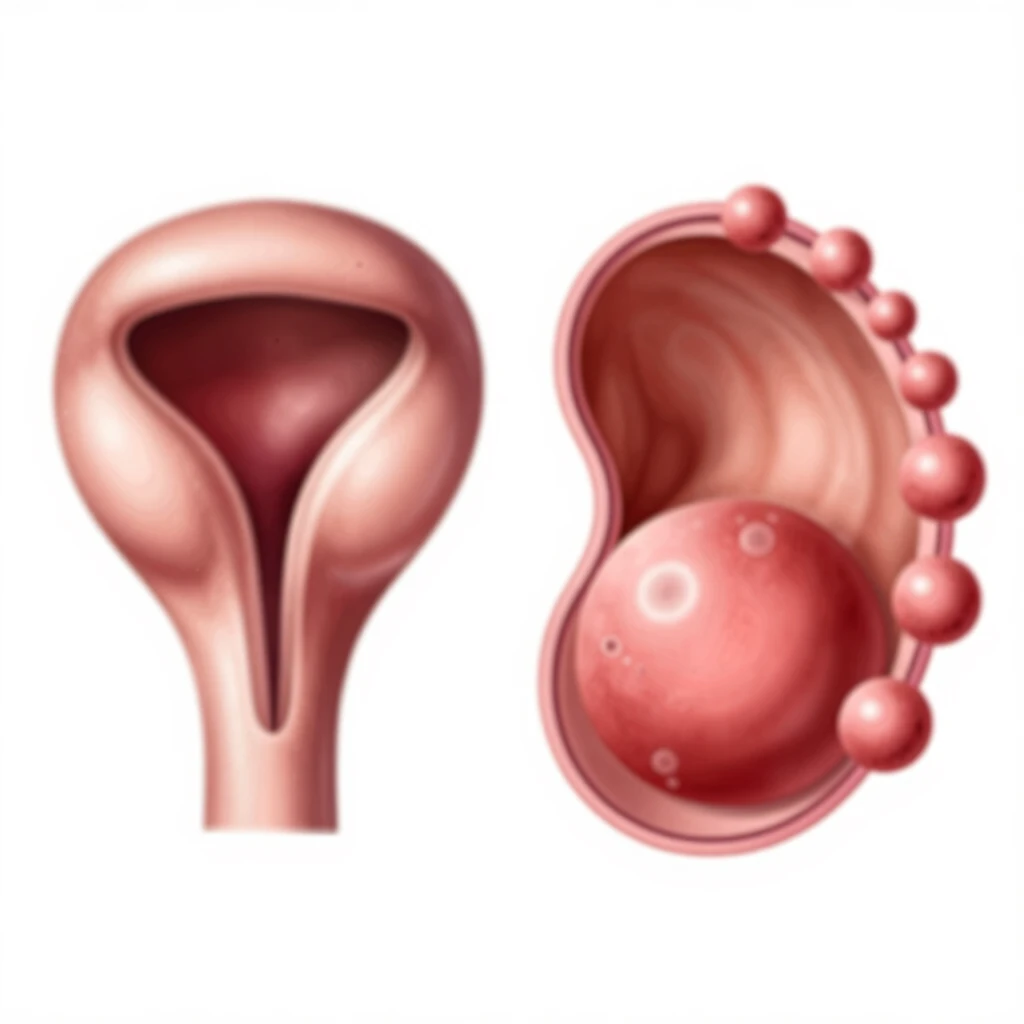
Despite the name, you don't always have cysts on your ovaries. Doctors diagnose PCOS if you have at least two of these:
- Irregular periods
- High androgen levels (shown by symptoms or blood tests)
- Polycystic-looking ovaries on ultrasound
Sources like the Cleveland Clinic and WHO note that PCOS runs in families and varies by ethnicity.
How PCOS Affects Fertility
The biggest issue? Ovulation problems. Without regular ovulation, conception becomes tough.
Fertility hormone levels and their impact on conception are central here. In PCOS, high androgens and often insulin resistance throw off key hormones like FSH (follicle-stimulating hormone) and LH (luteinizing hormone).
This imbalance prevents eggs from releasing. Many women experience anovulation—no ovulation at all.
Insulin resistance affects up to 70% of women with PCOS. Your body makes extra insulin, which boosts androgen production and worsens the cycle.
| Common Symptoms of PCOS | How They Relate to Fertility |
|---|---|
| Irregular or missed periods | Signals lack of ovulation |
| Excess hair growth (hirsutism) | From high androgens blocking egg release |
| Acne and oily skin | Hormonal imbalance |
| Weight gain, especially around belly | Linked to insulin resistance, harder conception |
| Thinning hair on scalp | Androgen effects |
Infertility hits about 70-80% of women with PCOS seeking pregnancy help. But many do conceive with the right approach.
Fertility Hormones Explained
Let's break down the main players:
-
FSH and LH: These drive egg growth and release. In PCOS, LH often stays high, disrupting the ratio.
-
Insulin: High levels from resistance stimulate ovaries to make more androgens.
-
Estrogen and Progesterone: Imbalanced, leading to irregular cycles.
-
Anti-Müllerian Hormone (AMH): Often elevated in PCOS, indicating many small follicles but poor ovulation.
Monitoring these fertility hormones helps doctors tailor treatments.
Treatment Options: Start with Lifestyle Changes
The first step? Lifestyle tweaks. Losing just 5-10% of body weight can restore ovulation for many.
Focus on:
- Balanced meals with whole foods, lean proteins, veggies, and healthy fats
- Regular exercise—aim for 150 minutes moderate activity weekly
- Better sleep and stress management
These changes lower insulin and androgen levels naturally. Studies show they improve fertility without meds first.
Medications and Fertility Drugs
If lifestyle alone isn't enough, fertility drugs come in.
-
Letrozole or Clomiphene: Oral meds that trigger ovulation. Letrozole often works better for PCOS.
-
Metformin: Helps with insulin resistance, often combined with others.
-
Gonadotropins: Injections for stronger stimulation if orals fail.
These address disrupted fertility hormone levels and their impact on conception directly.
Advanced Options
When meds don't work:
-
Ovarian drilling: Minor surgery to lower androgens (rare now).
-
IVF: Eggs retrieved, fertilized in lab, transferred back. Great success rates, controls multiples.
Many women share stories of success after IVF—it's empowering to take control.

Emotional Side and Support
Dealing with infertility feels isolating. Anxiety and depression are common with PCOS.
Seek support groups, counseling, or online communities. Sharing experiences helps a lot.
Key Takeaways
PCOS challenges fertility through hormone disruptions, but options exist—from lifestyle shifts to advanced treatments. Work with a specialist for personalized plans. Many women with PCOS build families successfully.
Track cycles, eat well, move daily, and stay hopeful. Consult sources like Mayo Clinic or your doctor for latest advice.
(Word count: approximately 1520)