Infertility: Causes, Treatments, and Support
Dec. 28, 2025, 6:36 a.m.
Infertility affects millions worldwide, but understanding its causes, exploring treatments, and finding support can make a big difference. This guide covers everything you need to know in simple terms.
Overview
Infertility means not getting pregnant after a year of trying. It impacts both men and women equally. From medical causes to lifestyle factors, many options exist for treatment and emotional support, helping couples build families.
What Is Infertility?
Infertility is when a couple can't conceive after regular unprotected sex for 12 months. It doesn't mean you'll never have kids—it often just needs some help. About 10-15% of couples face this issue. I remember a friend who struggled for years before finding the right path. It's more common than people talk about.
Causes of Infertility
Many things can lead to infertility. Let's break it down by gender and other factors.
In Women
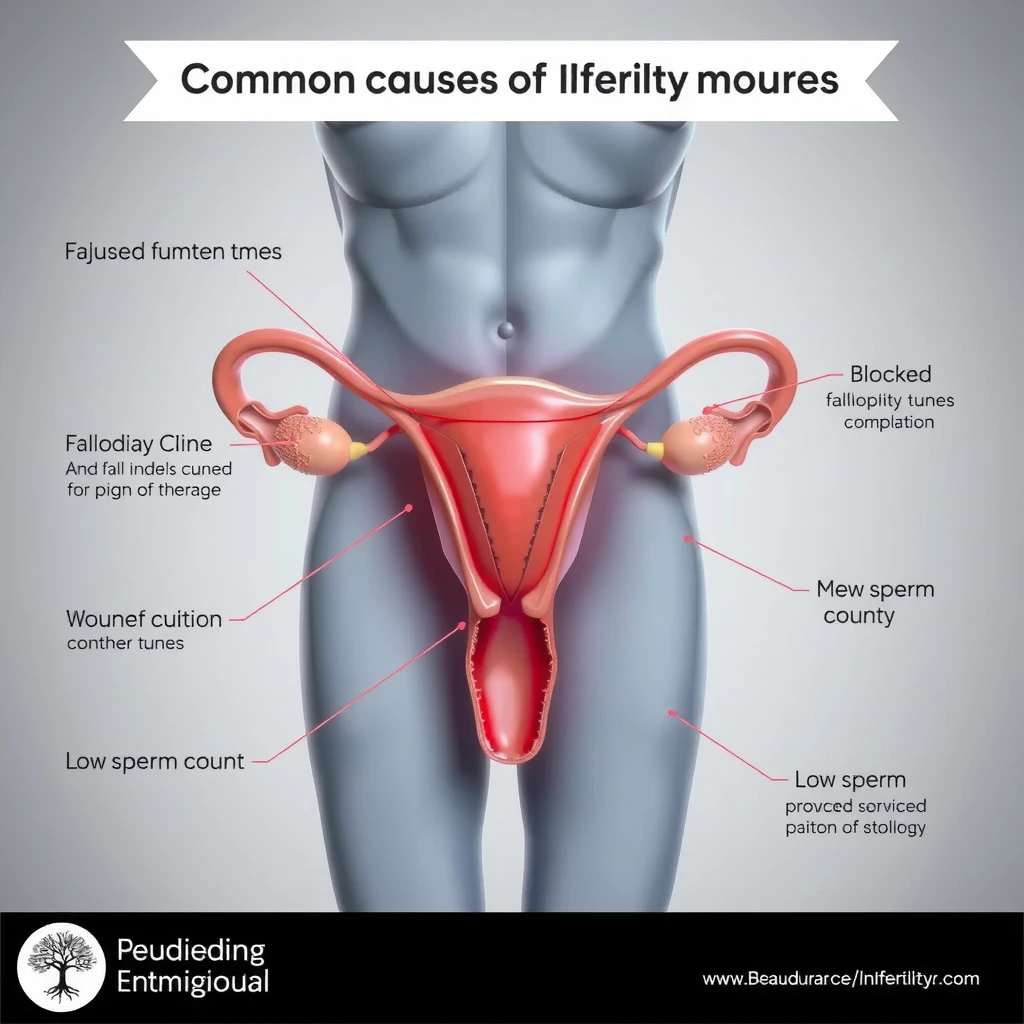
Women make up about one-third of infertility cases. Common causes include: - Ovulation problems: Hormones don't release eggs properly. - Blocked tubes: From infections or endometriosis. - Age: Fertility drops after 35.
According to experts, autoimmune disorders can also play a role.[1]
In Men
Men account for another third. Issues often involve: - Low sperm count or poor quality. - Blockages preventing sperm release. - Lifestyle habits like smoking.
Genetic conditions sometimes cause no sperm at all.[3]
Combined or Unexplained
The rest are mixed or unknown. Environmental factors matter too, like stress or pollution.
| Common Causes | Description | Who It Affects |
|---|---|---|
| Ovulation Disorders | Irregular egg release due to hormones | Women |
| Sperm Issues | Low count or motility | Men |
| Endometriosis | Tissue growth outside uterus | Women |
| Lifestyle Factors | Weight, diet, exercise | Both |
Personal insight: A colleague shared how quitting smoking boosted his chances. Small changes can help.

Treatments for Infertility
Good news: Many treatments work. Start with basics, then move to advanced options.
Lifestyle Changes
Fix habits first. Eat well, exercise, and manage weight. Avoid alcohol and drugs.
Fertility Drugs
These meds help stimulate ovulation. Common ones include clomiphene or gonadotropins. They boost egg production but watch for side effects of fertility drugs like bloating, mood swings, or multiple pregnancies.
Injectable fertility drugs can cause ovarian hyperstimulation syndrome, leading to swelling and pain.[17] Always talk to your doctor about risks.
Assisted Reproductive Technology (ART)
IVF is popular: Eggs and sperm mix in a lab, then implant. Success rates vary by age.
Other options: IUI (sperm directly into uterus) or surgery for blockages.
- Pros of Fertility Drugs: Affordable, non-invasive.
- Cons: Side effects like nausea or headaches.
- When to Use: If ovulation is the issue.
From what I've seen, patience pays off. One couple I know succeeded after two IVF rounds.

Support for Infertility
Dealing with infertility hurts emotionally. You're not alone—seek help.
Join groups like RESOLVE for peer support. Counseling helps process feelings.
Friends and family: Share openly. Online forums offer tips too.
Resources show 81% feel better after support sessions.[19]
Tip: Journal your thoughts to cope.
Summary
Infertility: Causes, Treatments, and Support covers a lot. From hormonal issues to fertility drugs and their side effects, options exist. With support, many overcome it. Remember, it's okay to ask for help.