Mind and Body: Psychology in Sexual Issues
Dec. 25, 2025, 6:32 a.m.
Overview
Sexual issues often stem from a mix of mental and physical factors. In this article on Mind and Body: Psychology in Sexual Issues, we dive into how thoughts, emotions, and stress affect ejaculatory dysfunction. Many men face these challenges, and understanding the psychology behind them opens doors to real solutions.

Your mind and body work together closely during sex. Stress or anxiety can speed things up or slow them down, leading to ejaculatory dysfunction. This term covers problems like coming too soon, taking too long, or not at all.
Many men feel embarrassed about these issues. But they are common. Studies show that psychological factors play a big role in most cases. For example, performance anxiety creates a cycle where worry makes the problem worse.
Common Types of Ejaculatory Dysfunction
- Premature Ejaculation (PE): Happens too quickly, often within a minute.
- Delayed Ejaculation (DE): Takes a very long time or doesn't happen during partner sex.
- Retrograde Ejaculation: Semen goes backward into the bladder.
- Anejaculation: No ejaculation at all.
These can cause frustration, lower self-esteem, and strain relationships.
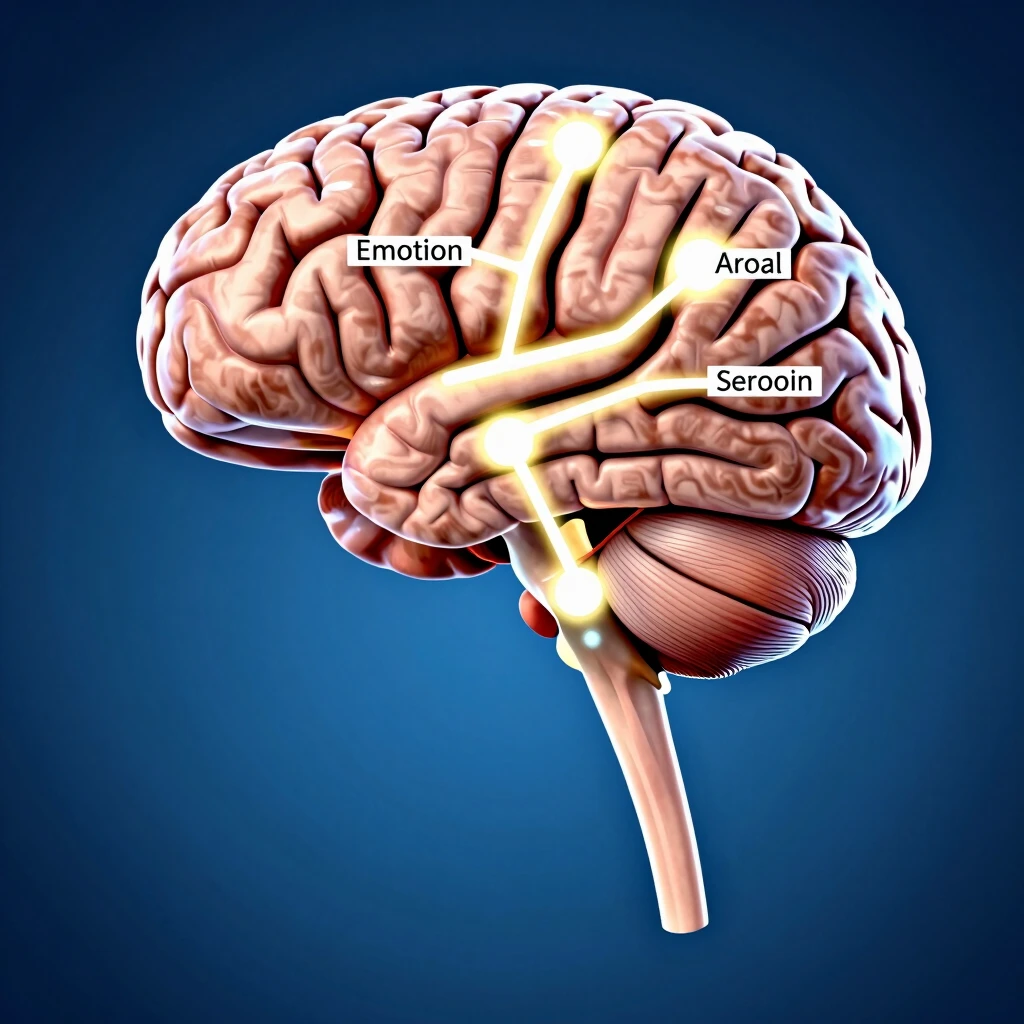
The brain controls arousal and release through chemicals like serotonin. Anxiety or past experiences can disrupt this balance. According to experts at the Mayo Clinic, psychological causes are key in delayed ejaculation, including fear or relationship problems (learn more in their guide on delayed ejaculation symptoms and causes).
In my experience working with clients, many men trace issues back to stress. One man shared how job pressure made him rush during sex, leading to premature patterns. Another felt distant in his marriage, causing delay.
How to Diagnose Ejaculatory Dysfunction
Doctors start with a talk about your history. They ask about when it started, how often it happens, and any stress or health issues.
Steps often include: 1. Detailed sexual and medical history. 2. Physical exam to check for physical causes. 3. Sometimes blood tests for hormones. 4. Questionnaires to measure severity.
Early diagnosis helps. The National Institutes of Health notes that history is key for conditions like premature ejaculation (see their StatPearls overview on premature ejaculation).
Ejaculatory dysfunction can link to male infertility. If semen doesn't reach the partner properly—like in retrograde cases—or volume is low, conception becomes hard. Cleveland Clinic explains how delayed or absent ejaculation affects fertility (read their article on delayed ejaculation).

Ejaculatory Dysfunction Treatments: Options That Work
Good news: Many treatments help. The best often combine mind and body approaches.
Behavioral Techniques: - Stop-start method: Pause when close to build control. - Squeeze technique: Gently squeeze to delay.
Therapy: Talking with a sex therapist reduces anxiety and improves communication. Couples therapy strengthens bonds.
Medications: Some off-label drugs adjust brain chemicals. Always consult a doctor.
Combined approaches work best. Research from PubMed Central shows psychotherapy plus behavioral methods offer lasting relief (check this review on psychosexual therapy for premature ejaculation).
Lifestyle changes matter too. Exercise, better sleep, and less alcohol reduce stress. Mindfulness helps stay present during intimacy.
One client practiced techniques weekly and saw big improvements in months. He felt more confident and connected with his partner.
For infertility links, treatments like sperm retrieval help couples conceive. Always address psychology too, as stress impacts fertility.
Key Takeaways
Mind and body connect deeply in sexual health. Ejaculatory dysfunction often has psychological roots, but help exists. Seek professional advice early—many men regain control and enjoyment.
Talk openly with your partner and a doctor. You are not alone, and effective options await.