Eat, Drink, and Be Healthy: The Harvard Medical School Guide to Healthy Eating – A Practical Review
Dec. 23, 2025, 6:32 a.m.
Quick Summary
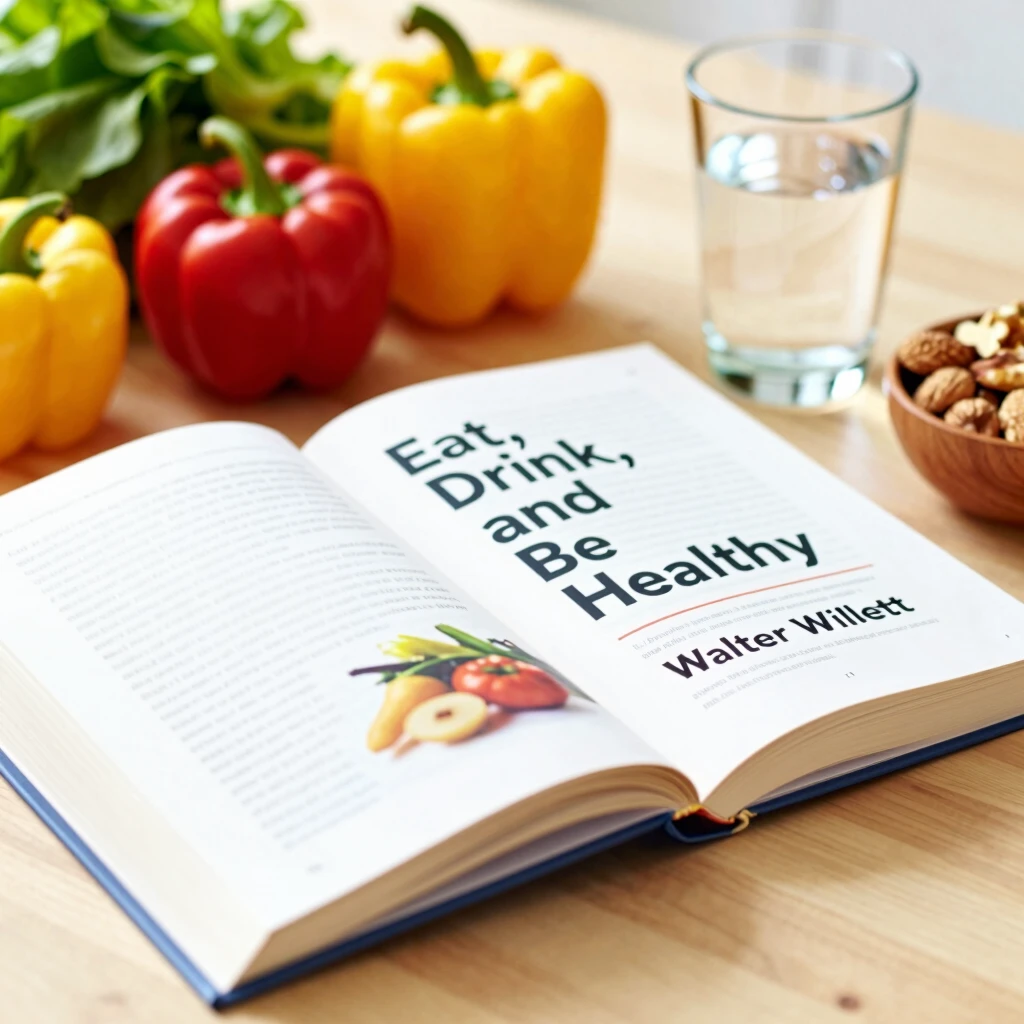
The book Eat, Drink, and Be Healthy: The Harvard Medical School Guide to Healthy Eating offers a clear, science-backed roadmap to better nutrition. Written by Dr. Walter Willett, it cuts through diet fads and gives you realistic advice you can actually follow every day.
Why This Book Stands Out
Most diet books promise quick fixes. This one doesn’t.
Instead, Dr. Willett and his team at Harvard School of Public Health explain what really matters for long-term health. They base every recommendation on large, well-designed studies – many of which they led themselves.
The core message is simple: focus on food quality, not just calories.
The Healthy Eating Pyramid (Updated Version)
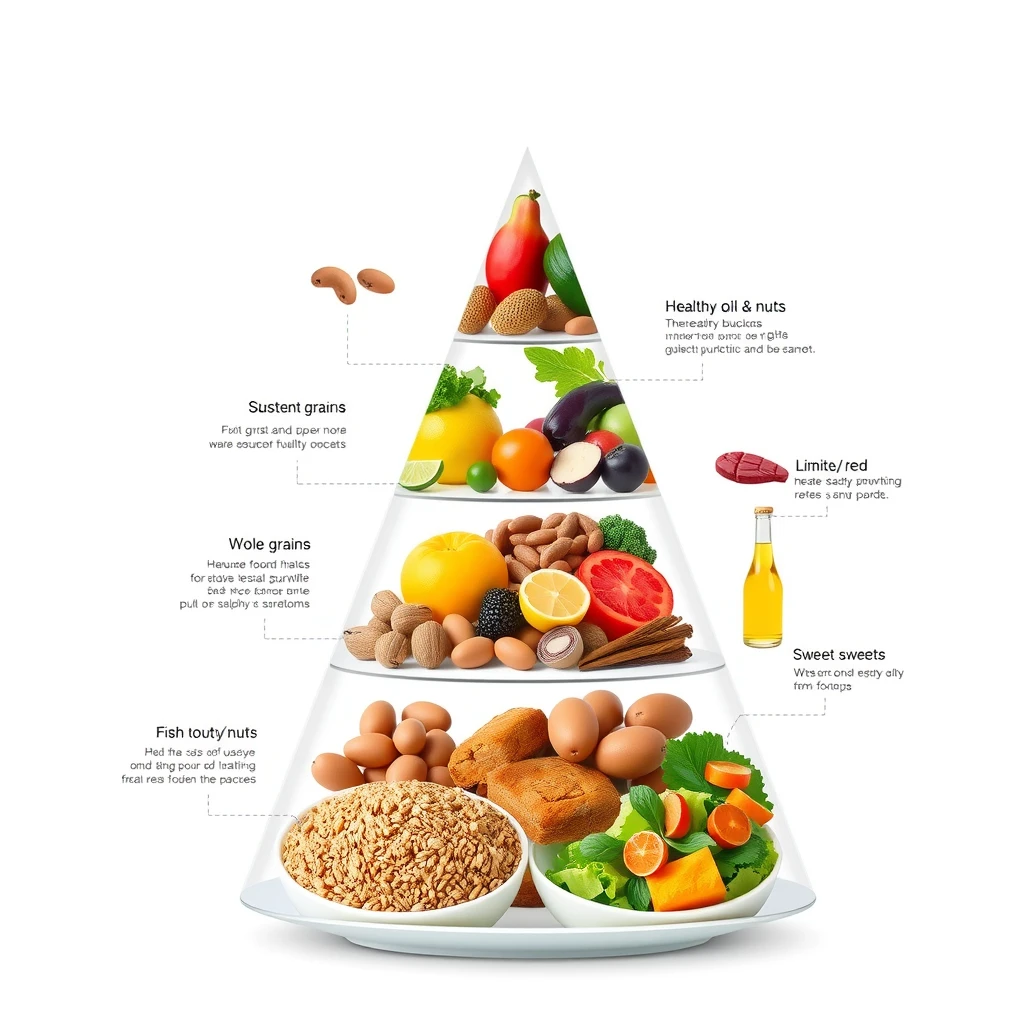
The book introduces an improved version of the classic food pyramid that puts whole foods first:
- Base layer: Whole grains, vegetables, and fruits
- Next level: Healthy plant oils (olive, canola, soy, etc.) and nuts
- Middle: Fish, poultry, beans, eggs
- Upper levels: Red meat, butter, refined grains, potatoes, sweets, salt
- Top: Multivitamin as optional insurance
This pyramid flips traditional advice upside down. It tells you to eat more of the foods that were once pushed to the edges.
Practical Tips You Can Use Today
Here are some of my favorite takeaways that I actually use:
- Choose whole grains over refined whenever possible
- Eat at least 5 servings of fruits and vegetables daily
- Use healthy oils freely instead of butter or margarine
- Limit red meat to no more than 2 servings per week
- Drink mostly water, coffee, or tea – skip sugary drinks
These aren’t extreme rules. They’re easy adjustments that add up over time.
Surprising Connection: Diet and Sperm Quality
One topic that surprised me was the link between nutrition and male fertility.
The book doesn’t focus heavily on infertility, but it does mention studies showing how diet affects sperm quality.
Men who follow a Mediterranean-style diet (very similar to the Harvard recommendations) tend to have:
- Higher sperm count
- Better sperm motility
- Improved sperm morphology
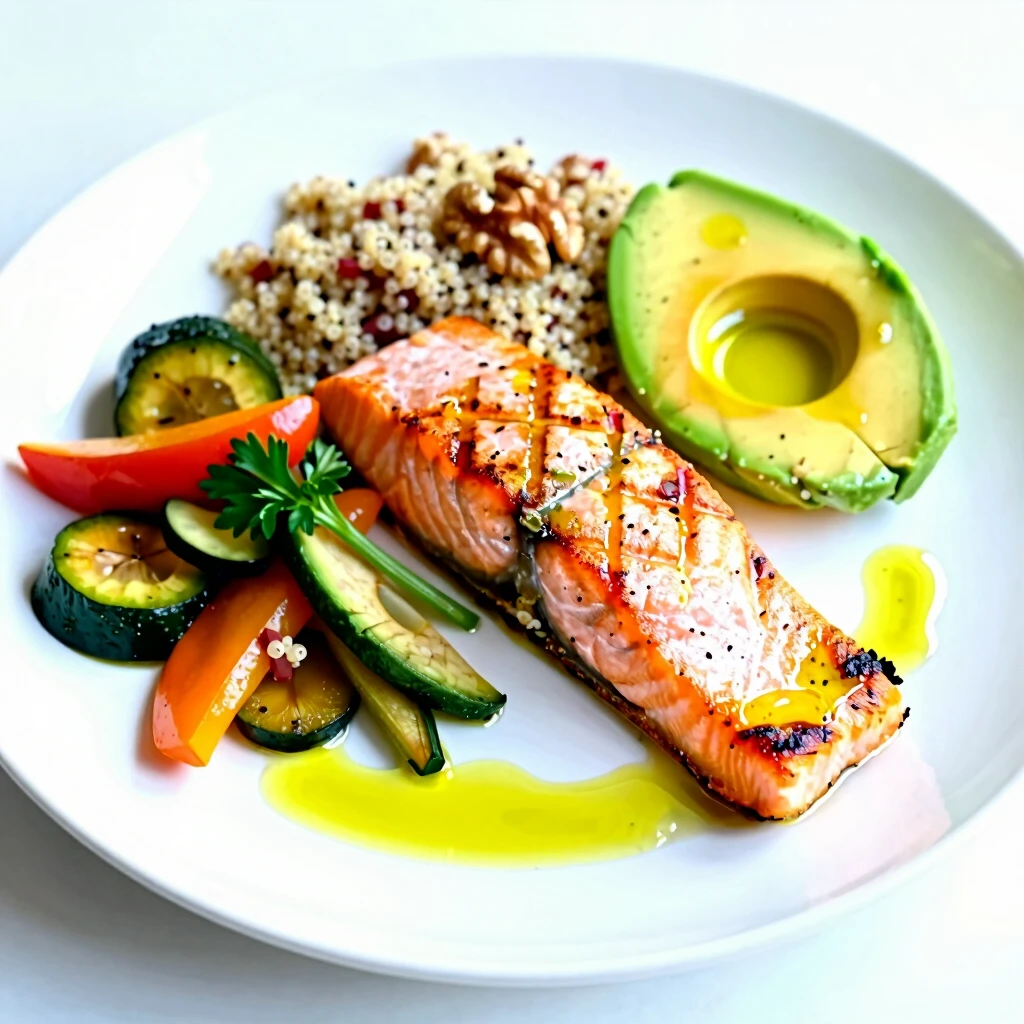
Key foods that support sperm quality include:
- Walnuts and other nuts
- Fatty fish (salmon, sardines)
- Colorful vegetables and fruits
- Whole grains
- Olive oil
On the flip side, diets high in processed meats, sugary drinks, and trans fats appear to lower sperm quality and increase the risk of male infertility.
What the Book Gets Right
- Honest about what science actually knows
- No magic foods or forbidden foods
- Focuses on patterns, not single nutrients
- Backed by massive, long-term studies (Nurses’ Health Study, Health Professionals Follow-up Study)
What Could Be Better
- Some readers find the science sections a bit dense
- It doesn’t include many recipes
- The 2001 edition feels slightly dated in layout (though the core advice remains solid)
For the latest updates, check the Harvard Nutrition Source website, which keeps the information current.
Who Should Read This Book?
- People confused by conflicting diet advice
- Anyone who wants to eat better without gimmicks
- Couples trying to conceive (especially men interested in improving sperm quality)
- Health professionals looking for an evidence-based resource
Final Thoughts
Eat, Drink, and Be Healthy remains one of the most trustworthy guides to eating well. It’s not flashy, but it’s honest, practical, and based on decades of rigorous research.
If you want to make changes that last – and possibly improve your overall health and even fertility – this book is an excellent place to start.