How Diet Influences Female Infertility: What You Need to Know
Dec. 21, 2025, 5:20 p.m.
Many women facing infertility wonder if their daily meals play a role. Research shows that diet and female infertility are closely linked. What you eat can affect ovulation, hormone balance, and overall reproductive health. Making smart food choices may help boost your fertility naturally.
Understanding Female Infertility
Female infertility affects millions of women worldwide. It means not being able to get pregnant after a year of trying. Causes include ovulation problems, hormone issues, and lifestyle factors. Diet stands out as one area you can control.
Studies from the Nurses' Health Study at Harvard followed thousands of women. They found that certain eating patterns lower the risk of ovulatory infertility by up to 66% when combined with other healthy habits.
Poor diet choices, like high intake of refined carbs and trans fats, can disrupt hormones and increase inflammation. This makes conception harder. On the flip side, nutrient-rich foods support egg quality and regular cycles.
The Best Diets for Fertility
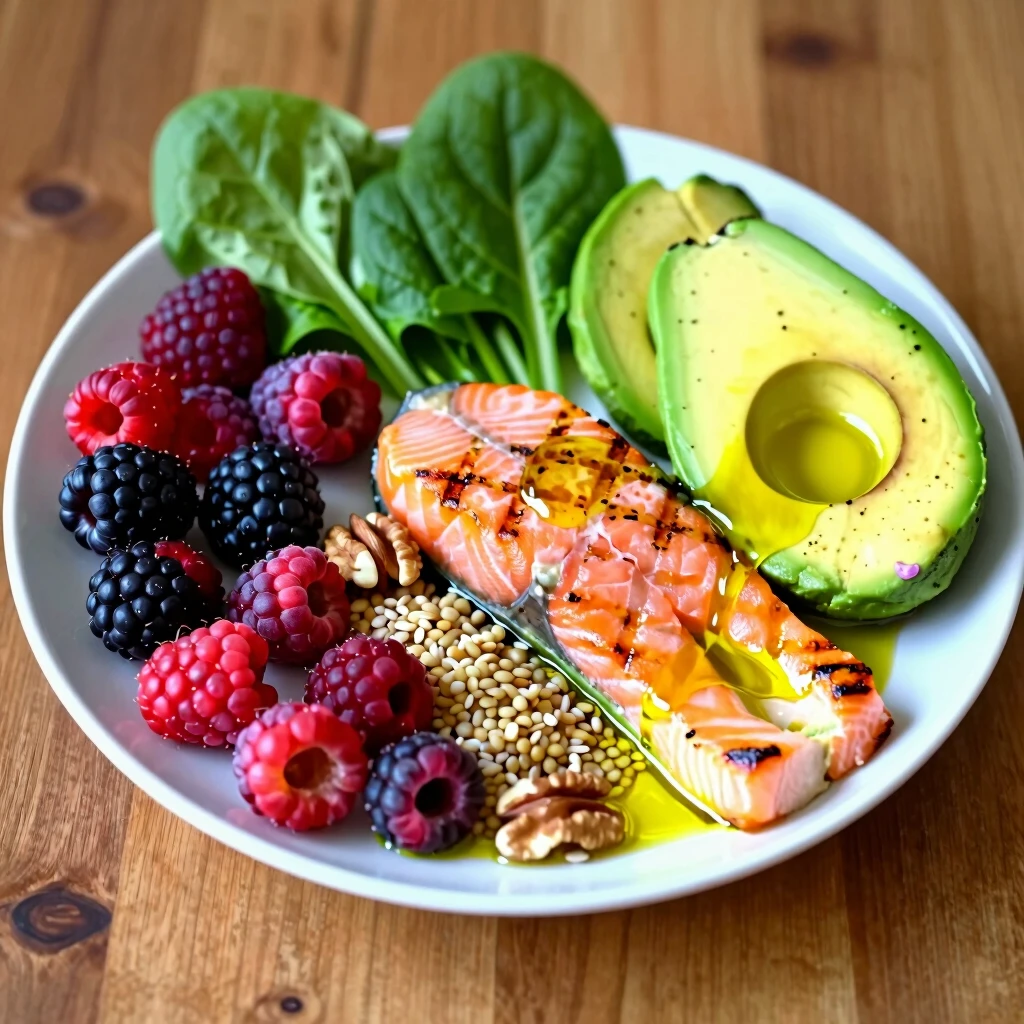
The Mediterranean diet tops the list for improving female fertility. It focuses on whole foods: plenty of fruits, vegetables, whole grains, legumes, nuts, olive oil, and fish.
Research shows women following this diet have better outcomes in fertility treatments. One review from Harvard highlights how it reduces inflammation and supports hormone balance (Harvard Health: Fertility and Diet).

Key elements include: - Healthy fats: From olive oil, avocados, and fatty fish like salmon. - Antioxidants: In berries, leafy greens, and colorful veggies. - Plant proteins: Beans, lentils, and nuts over red meat.
A study in the American Journal of Obstetrics and Gynecology notes that folic acid supplements and diets high in plant-based foods improve chances (PMC: Diet and Fertility Review).
Nutrients That Matter
Focus on these for better reproductive health:
| Nutrient | Sources | Benefits |
|---|---|---|
| Folic Acid | Leafy greens, fortified grains, supplements | Reduces ovulatory infertility risk |
| Omega-3 Fatty Acids | Salmon, walnuts, flaxseeds | Lowers inflammation, supports egg quality |
| Iron | Plant sources like spinach, lentils | Prevents anemia-linked infertility |
| Vitamin D | Sunlight, fatty fish, fortified foods | Improves hormone regulation |
Harvard researchers emphasize higher folic acid intake beyond basic recommendations for fertility.
Foods to Limit or Avoid
Some choices can harm fertility: - Trans fats in fried and processed foods. - Refined carbs like white bread and sugary drinks. - High-mercury fish such as swordfish. - Excessive processed meats.
These increase insulin resistance and inflammation, raising infertility risks. Switching to whole foods makes a big difference.

Real Insights and Actionable Tips
Many women I know have shared how changing their diet helped. One friend cut out sugary sodas and added more greens – she conceived after months of trying.
Start small: 1. Swap processed snacks for nuts and fruit. 2. Include fish twice a week. 3. Aim for colorful plates at every meal.
Combine with exercise and stress management for best results. Always talk to a doctor before big changes, especially if facing infertility.
Weight matters too. Being under or overweight affects hormones. A balanced diet helps maintain a healthy BMI, further supporting fertility.
Wrapping It Up
Diet plays a key role in managing female infertility. Embrace whole, anti-inflammatory foods like those in the Mediterranean style. Avoid processed junk. These changes, backed by solid research, can improve your odds of conceiving.
Small steps today lead to big possibilities tomorrow. Stay hopeful and proactive.
For more, check authoritative sources on nutrition and reproductive health.