Understanding IVF: A Comprehensive Guide from the American Society for Reproductive Medicine
Dec. 25, 2025, 6:31 a.m.
In vitro fertilization (IVF) helps millions of people build families when natural conception proves difficult. The American Society for Reproductive Medicine: IVF Overview - https://www.asrm.org/topics/in-vitro-fertilization offers reliable information on this proven treatment. This guide breaks it down simply and shares practical insights.
What Is IVF and Who Can Benefit?
IVF combines eggs and sperm outside the body to create embryos, which doctors then transfer to the uterus. Couples facing blocked tubes, low sperm count, endometriosis, or unexplained infertility often turn to it. Single individuals and same-sex couples also use IVF with donor eggs, sperm, or embryos.
Many people feel surprised by how common infertility is—it affects about 1 in 8 couples. Starting IVF can bring hope after months or years of trying.

Understanding IVF: A Step-by-Step Guide
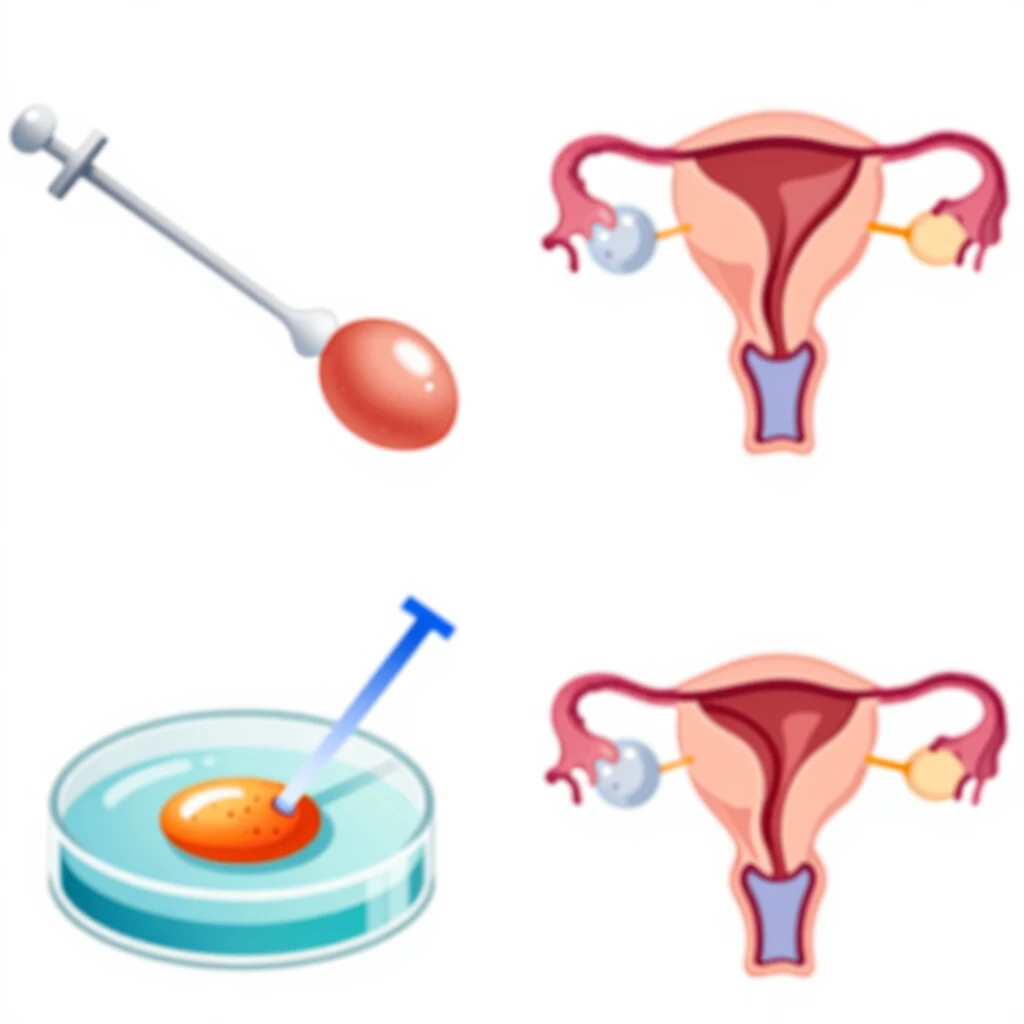
The process usually takes about 4-6 weeks per cycle. Here's how it works:
-
Ovarian Stimulation: You take hormone medications for 8-14 days to produce multiple eggs. Doctors monitor progress with ultrasounds and blood tests.
-
Egg Retrieval: A minor procedure under sedation removes eggs from the ovaries using a thin needle guided by ultrasound.
-
Fertilization: In the lab, eggs meet sperm. Doctors may use ICSI (injecting sperm directly into the egg) for male factor issues.
-
Embryo Development: Embryos grow for 3-5 days. Some clinics test for genetic health.
-
Embryo Transfer: Doctors place one or more embryos into the uterus—a quick, painless step.
-
Pregnancy Test: About two weeks later, a blood test confirms results.
Patients often say the waiting period feels the longest, but support from clinics helps a lot.
Success Rates and What Affects Them
Success varies by age, health, and clinic. Women under 35 often see higher rates. The Centers for Disease Control and Prevention (CDC) tracks national data and offers an IVF Success Estimator tool to get personalized estimates based on real outcomes.
For example, younger patients using their own eggs have better chances. Mayo Clinic explains that factors like previous pregnancies and embryo quality play big roles.
Many couples need more than one cycle. Sharing stories with others going through the same thing can make it feel less isolating.
Risks and Side Effects
IVF is generally safe, but it carries some risks. Ovarian hyperstimulation syndrome (OHSS) can cause bloating and discomfort in rare cases. Multiple pregnancies increase chances of preterm birth, so clinics now recommend single embryo transfer when possible.
Emotional ups and downs are common too. Counseling helps many people cope.

The Cost of Fertility Preservation and IVF
A single IVF cycle typically costs $12,000 to $20,000 or more, including medications. The cost of fertility preservation and IVF adds up if you freeze eggs or embryos first.
Fertility preservation—freezing eggs, sperm, or embryos—often costs $5,000-$10,000 initially, plus annual storage fees. Cancer patients or those facing medical treatments that harm fertility benefit most from this option.
According to RESOLVE: The National Infertility Association, many patients pay out of pocket because coverage varies widely.
Insurance and Fertility Treatments: What to Know
Coverage depends on your state and plan. As of 2025, about 22 states mandate some infertility coverage, and around 15 include IVF. Check RESOLVE's state-by-state insurance guide for details.
Employer plans increasingly add benefits—ask your HR about options. Some federal employees now get expanded IVF coverage. Grants, financing programs, and clinic discounts can help bridge gaps.
Fertility Preservation and IVF: Planning Ahead
If medical treatments like chemotherapy threaten fertility, preservation offers future options. Guidelines from the American Society for Reproductive Medicine recommend discussing this early.
Egg freezing has improved greatly—success rates now match fresh eggs in many cases. Young women freezing eggs for non-medical reasons also grow in number.
Talking openly with your doctor about timing makes a big difference.
Final Thoughts
IVF opens doors for many who dream of parenthood. While the journey can challenge you emotionally and financially, advances continue to improve outcomes. Start with trusted resources like the American Society for Reproductive Medicine: IVF Overview - https://www.asrm.org/topics/in-vitro-fertilization.
You don't have to go through this alone—support groups and counselors make a real difference.