Herbs and Supplements as Natural Ovulation Inducers: Boosting Fertility Naturally
Dec. 24, 2025, 5:21 p.m.
Overview
Many women facing infertility turn to herbs and supplements as natural ovulation inducers. These options can support hormone balance and egg release without the side effects of fertility drugs. This article explores effective choices, backed by science, to help you on your fertility journey.
Understanding Ovulation: The Key to Fertility
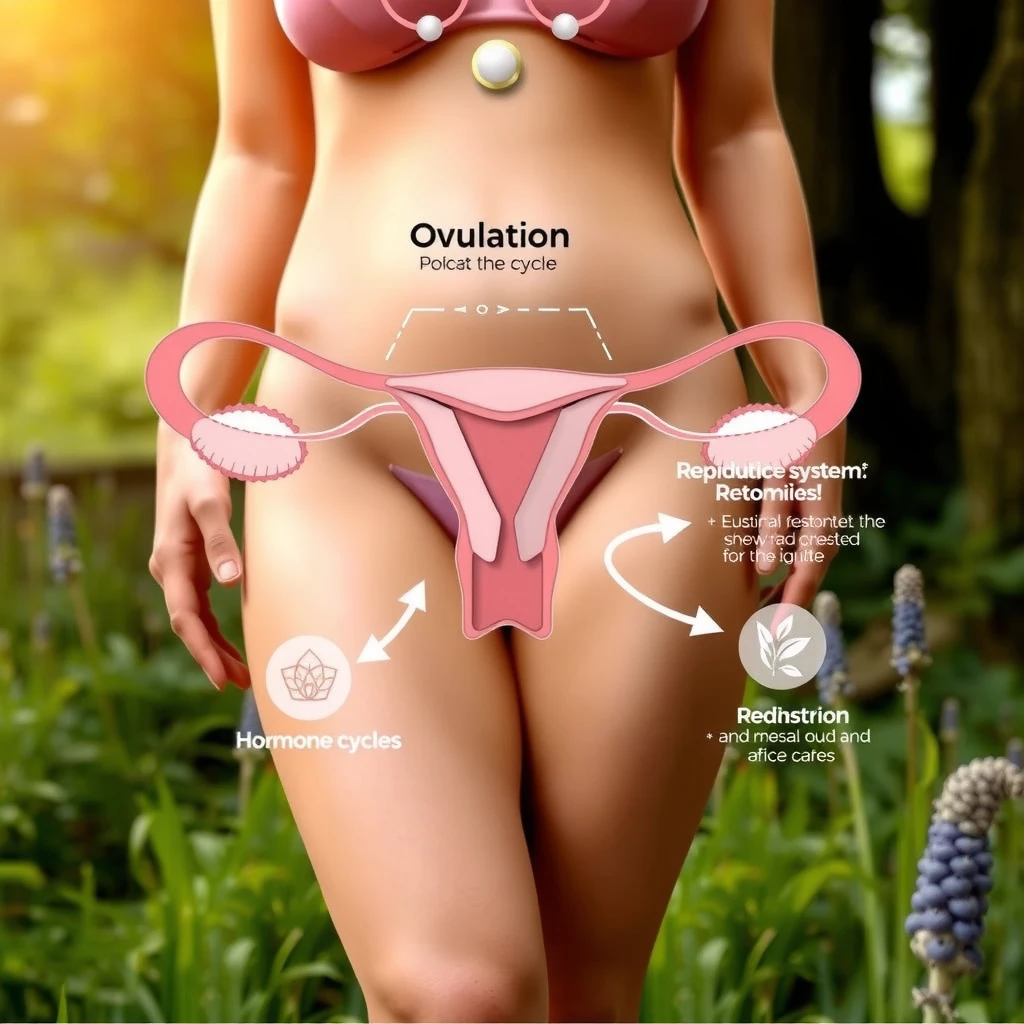
Ovulation happens when your ovary releases an egg each month. This egg travels down the fallopian tube, ready for sperm to fertilize it. If everything aligns, pregnancy can occur. But if ovulation doesn't happen regularly, conception becomes tough.
Women with irregular cycles often deal with anovulation, where no egg is released. This affects about 30% of infertility cases. Stress, weight changes, and hormone imbalances play big roles here.
Doctors often prescribe fertility drugs like Clomid to stimulate ovulation. These work well but can cause mood swings, hot flashes, or multiple pregnancies. That's why many seek natural alternatives. Herbs and supplements as natural ovulation inducers offer a gentler approach, helping your body regulate itself.
Common Causes of Infertility Related to Ovulation
Infertility touches one in eight couples. For women, ovulation issues are a top culprit. Polycystic ovary syndrome (PCOS) leads the list, causing high androgen levels that disrupt egg release.
Other factors include thyroid problems, excessive exercise, or being underweight. Age matters too—fertility drops after 35 as egg quality declines.
Recognizing these helps you address them. Simple tests like tracking basal body temperature or using ovulation kits can spot patterns.
If you're struggling, talk to a doctor. But alongside medical advice, natural methods can support your efforts. Let's dive into herbs and supplements that act as ovulation inducers.
Top Herbs and Supplements for Natural Ovulation Induction
Nature provides powerful tools to boost fertility. These aren't magic pills, but they can help balance hormones and promote regular cycles. Always check with a healthcare provider before starting, especially if you have health conditions.
Vitex (Chasteberry)
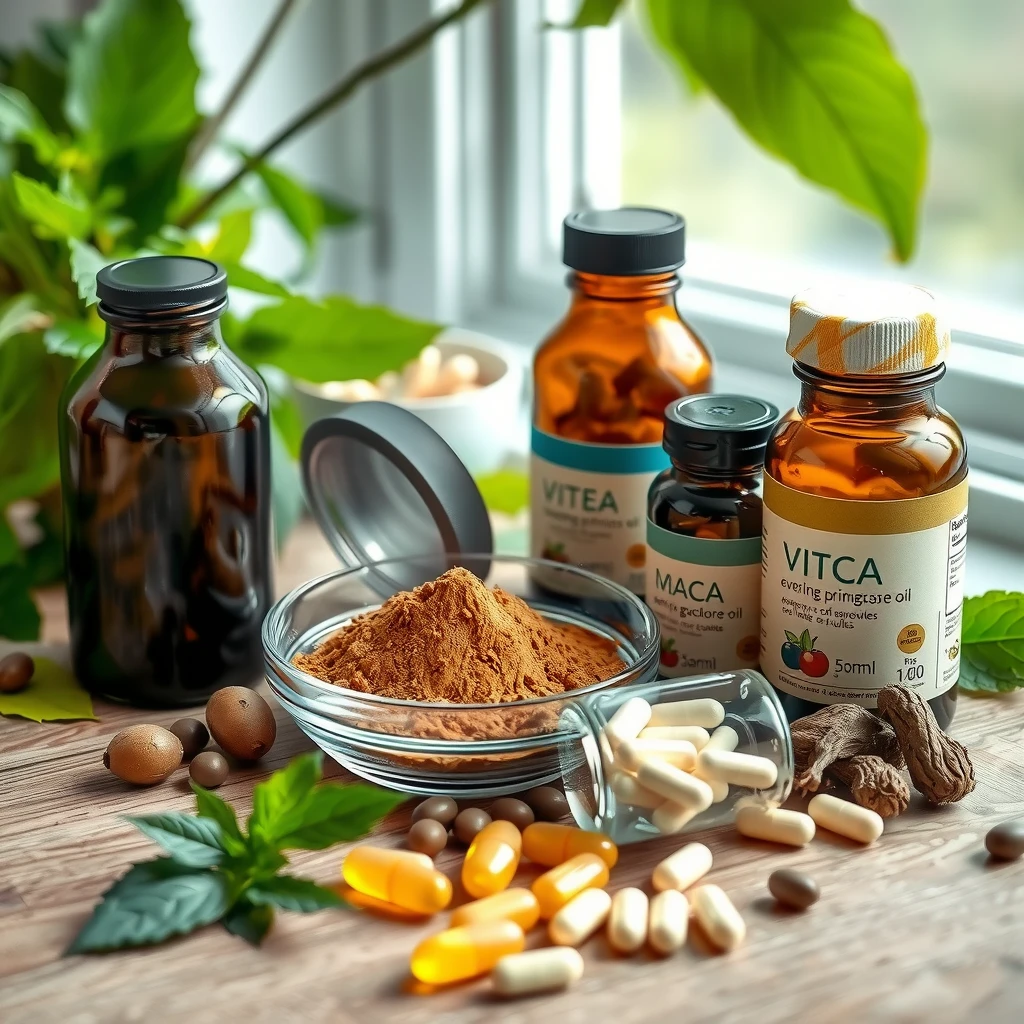
Vitex tops the list of herbs and supplements as natural ovulation inducers. It works by influencing the pituitary gland to produce more luteinizing hormone, which triggers ovulation.
Many women with irregular periods report better cycle regularity after using vitex. One study showed it helped normalize progesterone levels, key for maintaining pregnancy.
I remember a friend who battled PCOS for years. She added vitex tea to her routine and saw her cycles shorten from 45 days to 28. It wasn't instant, but after three months, she felt more in control.
Maca Root
This Peruvian superfood adapts to your body's needs, balancing hormones without overstimulating. Maca supports the endocrine system, potentially improving ovulation in women with infertility.
Research suggests it boosts libido and energy too, which helps during stressful fertility journeys. Take it as powder in smoothies for easy incorporation.
Evening Primrose Oil
Rich in gamma-linolenic acid, this oil helps produce cervical mucus, making it easier for sperm to reach the egg. It also reduces inflammation, beneficial for conditions like endometriosis.
Women often use it from menstruation to ovulation. Personal tip: Start with 500 mg daily and monitor how your body responds.
Black Cohosh
Known for easing menopausal symptoms, black cohosh can also aid ovulation by mimicking estrogen. It's useful for women with low estrogen levels causing irregular cycles.
Combine it with other herbs for better results, but avoid if you have liver issues.
Red Clover
This herb contains isoflavones that act like estrogen, helping regulate cycles. It's popular for fertility teas and may improve uterine lining thickness.
For a quick comparison, here's a table of these natural ovulation inducers:
| Herb/Supplement | Main Benefit | How to Use | Potential Side Effects |
|---|---|---|---|
| Vitex | Balances hormones, promotes ovulation | Tea or capsules, 400 mg daily | Mild nausea |
| Maca | Boosts energy and hormone balance | Powder in food, 1-3 tsp daily | Digestive upset |
| Evening Primrose Oil | Improves cervical mucus | Capsules, 500-1500 mg daily | Headaches |
| Black Cohosh | Mimics estrogen | Tincture or capsules, 40 mg daily | Stomach discomfort |
| Red Clover | Regulates cycles | Tea, 1-2 cups daily | None common |
The Science Behind These Natural Options
While anecdotal stories abound, science backs some claims. For instance, a review from the National Institutes of Health discusses how herbs like vitex and maca may address infertility by supporting hormone regulation. Learn more about herbal medicine for female infertility.
Another study highlights Chinese herbal medicines' role in successful pregnancies for infertile women. Read about a case of pregnancy after herbal treatment.
The American Society for Reproductive Medicine notes that lifestyle changes, including supplements, can optimize natural fertility. Explore their committee opinion on natural fertility.
An Agency for Healthcare Research and Quality report compares infertility treatments, including natural approaches. Check the full report on managing infertility.
Personal Insights: Real Stories from the Journey
I've spoken with many women navigating infertility. One shared how fertility drugs made her feel out of sorts, so she switched to natural ovulation inducers. 'Maca gave me energy I didn't know I needed,' she said. 'It felt like my body was working with me, not against.'
Another found vitex transformative. After months of no ovulation, she tracked improvements with apps. These stories remind us that patience matters—results often take 3-6 months.
But it's not all smooth. Some experience minor side effects or no changes. That's why combining with diet and exercise amps up effectiveness.
Lifestyle Tips to Enhance Fertility
Herbs alone aren't enough. Eat whole foods rich in antioxidants—think berries, nuts, and leafy greens. Exercise moderately; too much can disrupt cycles.
Manage stress through yoga or meditation. Sleep well, aiming for 7-9 hours nightly.
Here's a simple list to get started: - Track your cycle with an app - Stay hydrated - Limit caffeine and alcohol - Get sunlight for vitamin D - Consider acupuncture for extra support

Precautions and When to Seek Help
Natural doesn't mean risk-free. Herbs can interact with medications or worsen conditions. Pregnant women should avoid certain ones like black cohosh.
If you've tried for a year without success (or six months if over 35), see a fertility specialist. They can rule out underlying issues.
Quality matters—buy from reputable brands to avoid contaminants.
Summary
Herbs and supplements as natural ovulation inducers provide hope for those facing infertility. From vitex to maca, these options can support regular cycles and boost fertility naturally, often as alternatives to fertility drugs. Combine them with healthy habits for best results. Remember, consult professionals and stay patient on your path to parenthood.