Cost-Saving Strategies for Fertility Treatments
Dec. 25, 2025, 6:31 a.m.
Overview
Fertility treatments like IVF can be expensive, often costing $15,000 to $25,000 per cycle in the US. But many couples find ways to reduce costs significantly. This guide shares proven cost-saving strategies for fertility treatments, helping you navigate options wisely.
Starting a family through fertility treatments brings hope, but the price tag can feel overwhelming. Many people worry about how to afford it. The good news? There are smart ways to lower expenses while still getting excellent care.

Understanding the Costs
A single IVF cycle averages $15,000–$25,000, including clinic fees, medications ($3,000–$7,000), and add-ons like genetic testing. Medications often make up a big chunk. Multiple cycles are common, as success isn't guaranteed on the first try.
Factors like clinic location, your age, and needed extras influence the total. Knowing this upfront helps you plan.
Your Guide to IVF: What to Expect
IVF involves several steps over 4–6 weeks. You start with medications to stimulate egg production, monitored by ultrasounds and blood tests.
Then comes egg retrieval—a quick procedure under sedation. Eggs are fertilized in the lab, embryos grow for 3–5 days, and one or more are transferred to the uterus.
Side effects like bloating or fatigue are normal, but your team supports you throughout. Many find the process manageable with good guidance.
Choosing the Right Fertility Clinic
Picking a clinic impacts both success and costs. Look at success rates on sites like SART.org or CDC reports, but compare similar age groups.
Consider clinic volume—busier ones often negotiate better medication prices. Read patient reviews for insights on care and hidden fees.
Ask about packages, refunds if no success, or shared-risk programs. A good clinic feels supportive and transparent.

Key Cost-Saving Strategies
Here are actionable ways to save:
- Shop clinics carefully: Prices vary widely. Some affordable clinics offer the same quality for less.
- Check insurance: More employers cover fertility now. Know your benefits.
- Medication discounts: Use coupons, compassion programs from drug makers, or clinic-negotiated deals to cut med costs by thousands.
- Multi-cycle packages: Prepay for 2–3 cycles at a discount.
- Grants and financing: Nonprofits offer grants; clinics partner with low-interest loans.
- Mini-IVF or natural cycles: Fewer meds mean lower costs, though success varies.
One couple I know saved over $10,000 by switching pharmacies and applying for assistance programs.
The Benefits of Embryo Freezing
Freezing extra embryos from one cycle lets you try again without repeating stimulation and retrieval—saving big on future attempts.
Frozen transfers often have high success rates and cost less ($3,000–$5,000 vs. full cycle). It also allows genetic testing or better timing.
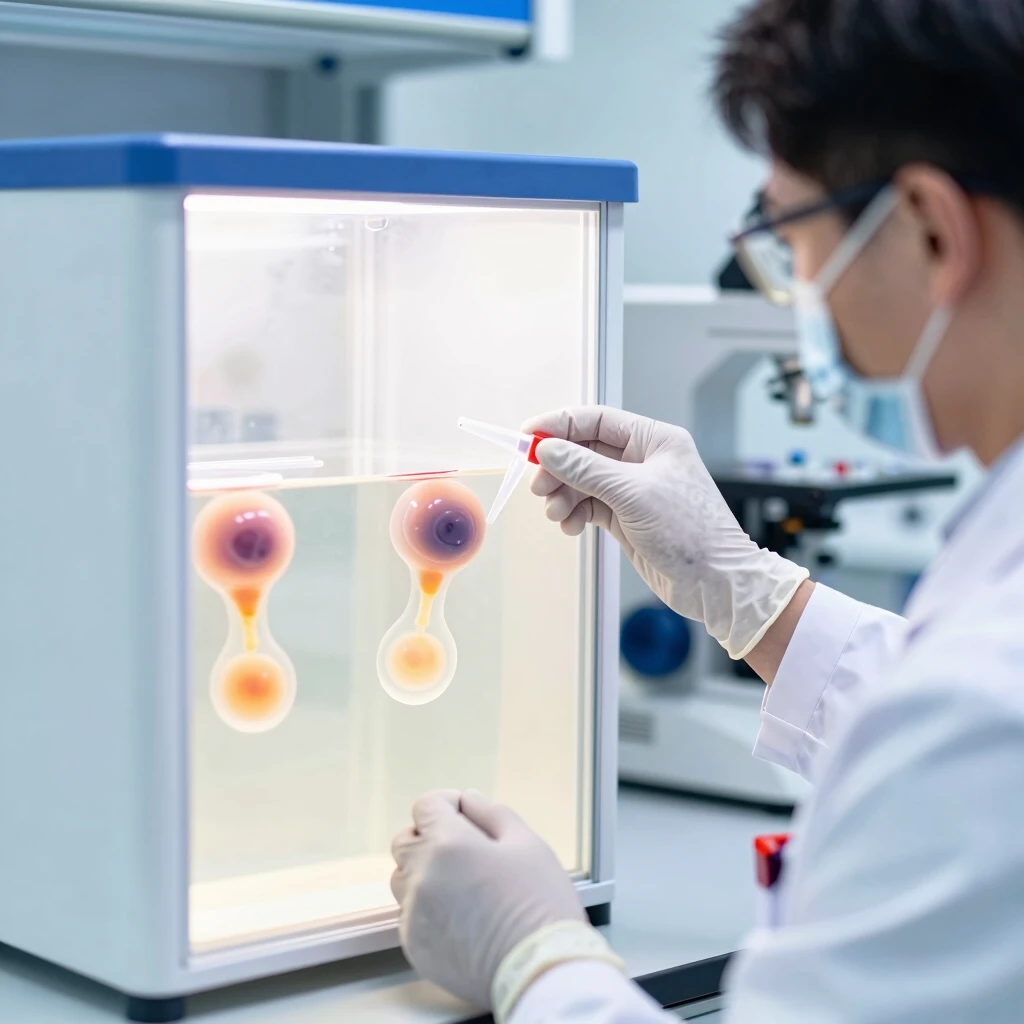
Fertility Preservation Options for Women Over 35
If you're over 35 and delaying parenthood, egg or embryo freezing preserves younger, healthier eggs.
Success drops with age, so acting sooner improves odds. Costs are similar to one IVF cycle, but it buys time. Discuss with a specialist to weigh pros and cons.
| Strategy | Potential Savings | Notes |
|---|---|---|
| Medication assistance programs | $2,000–$5,000 per cycle | Apply early via drug companies |
| Clinic multi-cycle bundles | 20–30% off | Often includes refunds |
| Grants from nonprofits | Up to full cycle | Income-based eligibility |
| Frozen embryo transfers | $10,000+ vs. fresh | For subsequent tries |
| Affordable clinics | $5,000–$10,000 less | Check success rates |
Real stories show these work. One woman over 35 froze eggs, later used them successfully, and saved by planning ahead.
Final Thoughts
Fertility treatments are an investment in your future family. By researching, asking questions, and using these cost-saving strategies for fertility treatments, you can make it more accessible.
Stay hopeful—many achieve their dreams with persistence and smart planning. Consult experts for personalized advice.