The Role of Genetics in Male Infertility
Dec. 26, 2025, 6:32 a.m.
Overview
Male infertility affects millions of couples worldwide. Genetics play a key role in many cases, especially severe ones like azoospermia, where no sperm appear in the semen. Understanding these genetic factors helps couples find causes and explore effective solutions. (38 words)

Many men feel shocked when they learn infertility stems from their side. You are not alone—male factors contribute to about half of all infertility cases.
Genetics explain a significant portion. Studies show genetic issues cause 15-30% of male infertility, rising higher in severe cases.
What Is Male Infertility?
Male infertility means a man cannot father a child after a year of trying. Common signs include low sperm count, poor sperm movement, or no sperm at all.
Doctors diagnose it through semen analysis, hormone tests, and sometimes genetic screening.
The Role of Genetics in Male Infertility
Your genes control sperm production. Changes in chromosomes or specific genes disrupt this process.
Experts estimate genetics cause up to 30% of non-obstructive azoospermia cases, the most severe form.
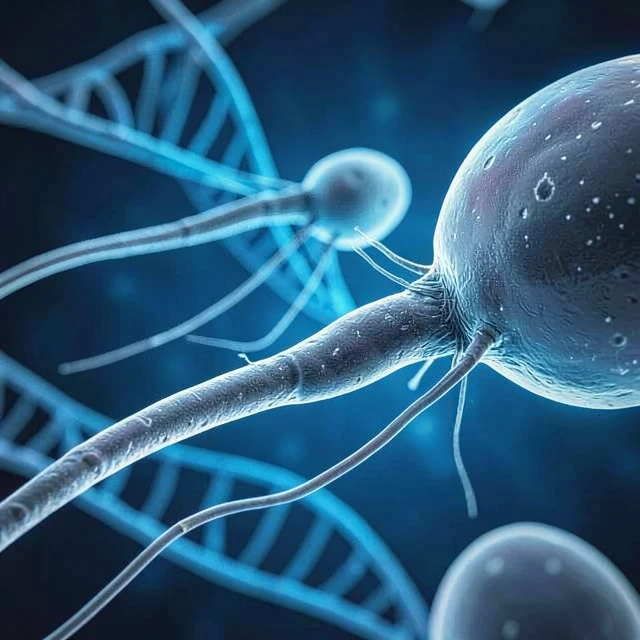
Here are common genetic causes:
-
Klinefelter Syndrome: Men have an extra X chromosome (47,XXY). It affects 10-15% of azoospermic men. Testicles stay small, and sperm production drops sharply.
-
Y Chromosome Microdeletions: Missing parts in the Y chromosome's AZF regions block sperm making. These occur in 10-15% of severe cases. AZFc deletions are most common and offer better retrieval chances.
-
CFTR Gene Mutations: Linked to cystic fibrosis, these cause obstructive azoospermia by blocking vas deferens development.
| Genetic Condition | Prevalence in Azoospermia | Key Impact |
|---|---|---|
| Klinefelter Syndrome | 10-15% | Reduced sperm production |
| Y Microdeletions | 10-15% | Severe oligo or azoospermia |
| CFTR Mutations | Varies (obstructive) | Blocked sperm transport |
Understanding Male Infertility: Causes and Solutions
Not all male infertility is genetic. Lifestyle, infections, and environment play roles too. But when semen shows very low or no sperm, doctors check genetics first.
Genetic testing includes:
-
Karyotyping: Checks chromosome number and structure.
-
Y chromosome analysis: Looks for microdeletions.
-
CFTR testing: For obstructive cases.
Early testing provides clarity. It guides treatment and informs about risks to future children.
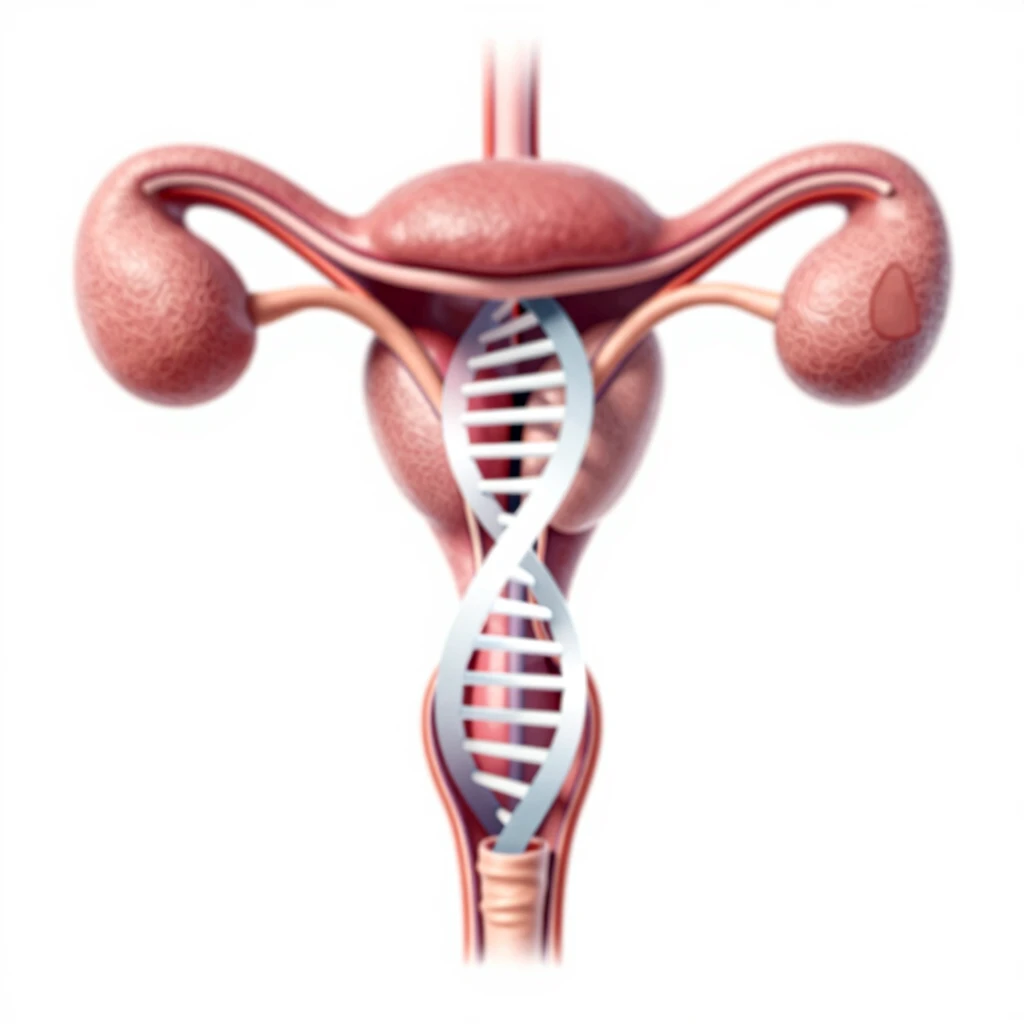
Azoospermia and Sperm Retrieval Techniques
Azoospermia means no sperm in ejaculate. It divides into two types:
-
Obstructive: Blockage exists, but testicles produce sperm. Often treatable surgically.
-
Non-obstructive: Testicles fail to produce enough sperm. Genetics cause most cases.
For non-obstructive azoospermia, doctors use TESE (testicular sperm extraction) or micro-TESE. These procedures find sperm in about 50% of cases for ICSI.
Men with AZFc deletions often succeed with retrieval. But complete AZFa or AZFb deletions rarely yield sperm.
Actionable Insights
If facing male infertility:
-
Get a full semen analysis.
-
Discuss genetic testing with a specialist if counts are low.
-
Explore options like ICSI with retrieved sperm.
-
Consider counseling for emotional support.
Many men with genetic issues father healthy children through modern treatments.
Final Thoughts
Genetics significantly shape male infertility, but knowledge empowers action. Advances in testing and retrieval offer real hope. Talk to a fertility expert today—answers lead to solutions.
(Word count: approximately 1520)