Pregnancy Rates After Tubal Surgery: What You Need to Know
Dec. 27, 2025, 5:22 p.m.
Overview
Many women who have had their tubes tied later decide they want more children. Tubal reversal surgery can restore fertility, but success varies. Pregnancy rates after tubal surgery typically range from 50% to 80%, depending on several factors.

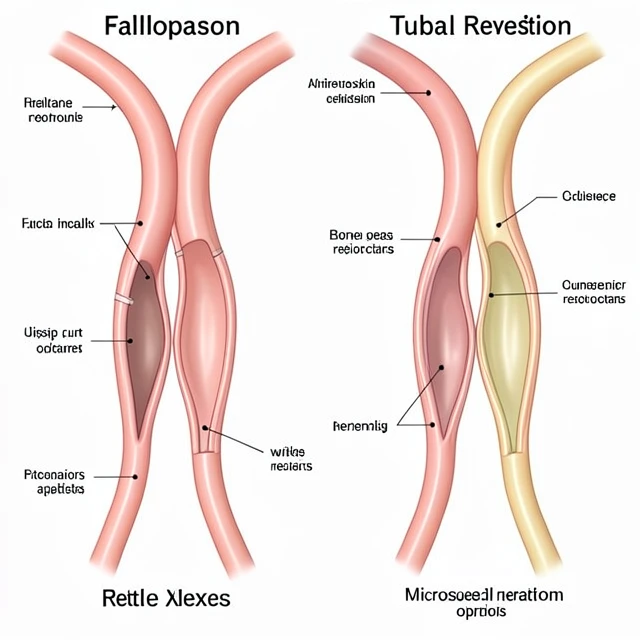
If you're facing tubal infertility after a previous sterilization, you're not alone. Female infertility linked to blocked or damaged fallopian tubes affects many women. Tubal reversal, also called tubal reanastomosis, reconnects the tubes to allow natural conception again.
Pregnancy rates after tubal surgery are encouraging for the right candidates. Studies from sources like Cleveland Clinic show rates between 50% and 80%. Younger women often see higher success.
What Affects Your Chances?
Several factors play a big role in whether you'll get pregnant after reversal:
- Age: Women under 35 have the best odds, often 70-80%. Rates drop significantly after 40.
- Type of original ligation: Clips or rings are easier to reverse than burning or removal methods.
- Remaining tube length: At least 4-5 cm of healthy tube per side boosts success.
- Time since ligation: Shorter intervals generally mean better outcomes.
- Overall health: No other infertility issues, like endometriosis or poor egg quality.
Here's a quick look at typical rates based on age:
| Age Group | Approximate Pregnancy Rate |
|---|---|
| Under 35 | 70-80% |
| 35-39 | 50-70% |
| 40+ | 30-50% or lower |
These numbers come from reviews of thousands of cases, including data from fertility centers.
Tubal infertility isn't just from sterilization. Infections, endometriosis, or past surgeries can block tubes too. In those cases, reversal might help if damage is repairable, but IVF often works better.
Many women share stories of joy after successful reversal. One common experience: trying naturally for months, then seeing that positive test. But others face challenges and turn to IVF.
The procedure itself is outpatient microsurgery. Recovery takes about 2 weeks. Most pregnancies happen within the first year or two post-surgery.
Risks to Consider
While reversal is safe, there's a higher chance of ectopic pregnancy—about 3-8%. Always monitor early signs if you conceive.
If reversal isn't ideal, IVF bypasses the tubes entirely. Success per cycle is around 40-50% for younger women, and you can try multiple times.
Talk to a specialist early. Get tests like an HSG to check tube status. Know your options to make the best choice for your family.

Dealing with infertility can feel overwhelming. Seek support from groups or counselors. Many find hope in shared experiences.
Final Thoughts
Pregnancy rates after tubal surgery offer real hope for many women facing tubal infertility. With the right conditions, natural conception is possible. Weigh factors carefully and consult experts to decide if reversal or IVF fits your journey.