The Science of Fertility Preservation: Techniques and Advances
Dec. 27, 2025, 6:34 a.m.
Understanding Fertility Preservation
Many people today face situations that can harm their ability to have children later. Fertility preservation offers ways to protect eggs, sperm, or reproductive tissue before problems arise. This field has grown quickly, giving hope to cancer patients, those delaying parenthood, and others dealing with infertility.
Fertility preservation involves saving gametes, embryos, or gonadal tissue for future use. Doctors recommend it for anyone at risk of losing fertility due to medical treatments, age, or other factors. Advances in technology have made these options more effective and accessible.
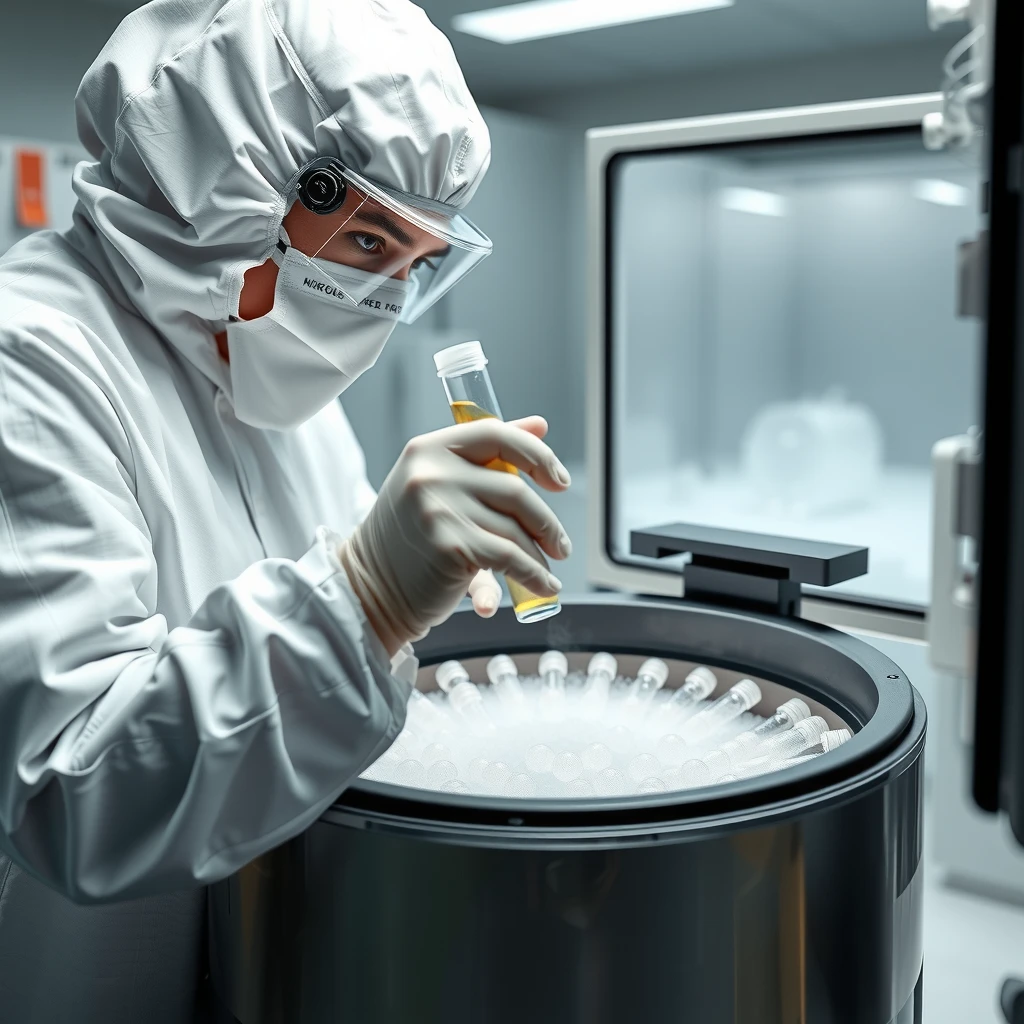
Why People Choose Fertility Preservation
Cancer treatments like chemotherapy and radiation often damage reproductive cells. According to the American Society for Reproductive Medicine (ASRM), patients facing gonadotoxic therapies should discuss fertility preservation options before starting treatment. This allows them to plan for a family after recovery.
Fertility preservation and age go hand in hand. Women's egg quality and quantity drop over time. Fertility gradually declines in the 30s, especially after 35. Many choose to freeze eggs to combat age-related infertility.
Men can bank sperm easily before treatments that might cause infertility. For those with certain conditions, more advanced methods apply.

Key Techniques in Fertility Preservation
Here are the main methods used today:
-
Egg Freezing (Oocyte Cryopreservation): Doctors stimulate the ovaries to produce multiple eggs, retrieve them, and freeze them. This non-experimental method works well for women delaying childbirth.
-
Embryo Freezing: Similar to egg freezing, but eggs fertilize with sperm first. Couples or those with partners often choose this.
-
Sperm Banking: Men provide a sample that freezes for later use. This simple, effective option has helped many.
-
Ovarian Tissue Cryopreservation: Surgeons remove and freeze part of the ovary. They transplant it back later. This experimental option suits young girls or those unable to delay treatment.
-
Testicular Tissue Freezing: For boys before puberty, doctors freeze tissue containing sperm precursors. Research continues on maturing these cells.
Vitrification, a fast-freezing method, has improved success rates. It prevents ice crystals that damage cells.
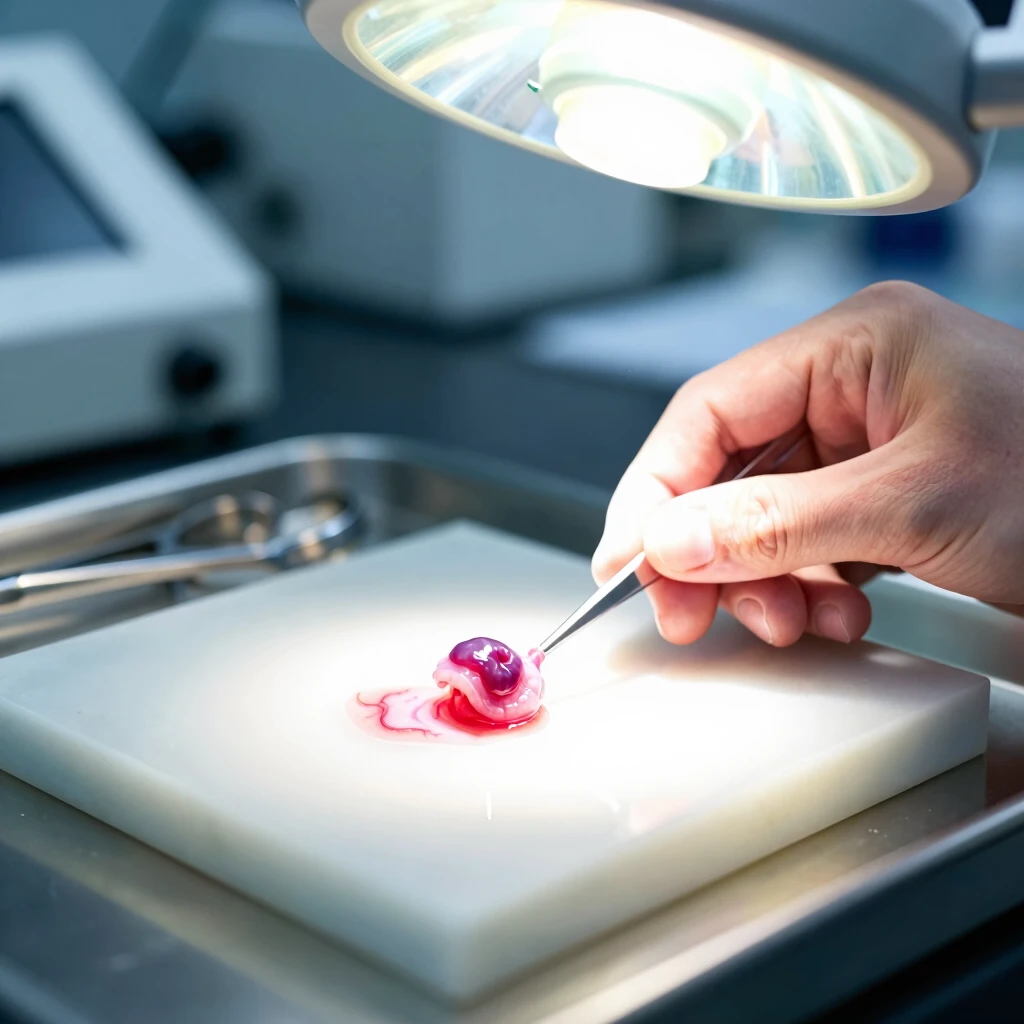
Recent Advances
Science moves fast in this area. Egg freezing success rates now match fresh eggs in many cases. Studies show women under 35 freezing 15 eggs have over 85% chance of a live birth later, per NCBI resources.
For cancer patients, oncofertility programs coordinate care quickly. ASRM guidelines stress prompt counseling for those facing gonadotoxic therapies.
Researchers work on maturing eggs from frozen tissue in labs. This could help more patients. New shielding techniques during radiation also protect ovaries or testes.
Fertility Preservation and Age: What You Need to Know
Age impacts fertility strongly. A woman's best years are in her 20s. By 35, chances drop noticeably. After 40, natural conception becomes harder.
Many women freeze eggs in their 30s to preserve younger, healthier eggs. This fights infertility linked to older age.
Men's fertility declines slower, but sperm quality drops after 40, raising risks for children.
Ethical Considerations in Fertility Preservation
This field raises important questions. ASRM discusses ethical issues like access, posthumous use, and child welfare.
Who gets these treatments? Costs remain high, limiting access. Doctors balance patient wishes with potential risks, especially for older parents.
For cancer survivors, questions arise about pregnancy safety after treatment. Experts recommend shared decision-making.
Success Rates and What to Expect
Success varies by age and method. Younger patients see better outcomes. Egg freezing before 35 offers the best results.
| Age Group | Approx. Live Birth Chance per Cycle (Using Frozen Eggs) |
|---|---|
| Under 35 | 40-50% |
| 35-37 | 30-40% |
| 38-40 | 20-30% |
| Over 40 | 10-20% |
These figures come from general data; individual results differ.
Talk to a specialist early. They assess your situation and suggest the best path.
Personal Insights and Actionable Advice
I've seen friends freeze eggs in their early 30s and feel relieved knowing they have options. One delayed cancer treatment briefly to preserve fertility and now has a healthy child.
If you're thinking about this:
- Consult a reproductive endocrinologist soon.
- Check insurance—some cover preservation for medical reasons.
- Consider lifestyle factors like diet and exercise that support fertility.
- Weigh emotional aspects; counseling helps.
Fertility preservation empowers people to take control amid uncertainty.
Wrapping Up
The science of fertility preservation: techniques and advances continue to evolve, offering real hope against infertility threats. Whether from medical treatments or time, these options help build families on your terms.
Talk to experts, stay informed, and make choices that fit your life.