Nutrition and Lifestyle Tips for Fertility
Jan. 1, 2026, 6:37 a.m.
Overview
Trying to start a family can feel overwhelming, especially if you're dealing with infertility. The good news? Simple changes in what you eat and how you live can make a real difference in your fertility journey. These nutrition and lifestyle tips for fertility offer actionable steps to support your body, whether you're trying naturally or optimizing IVF cycles with medication.

Many couples face infertility at some point. It affects about one in six people worldwide. Factors like age, health issues, and environment play roles, but diet and daily habits are things you can control right now.
Research shows that a healthy eating pattern improves egg and sperm quality. It also helps balance hormones. For those using fertility drugs or IVF medication, good nutrition supports your body through the process.
Why Nutrition Matters for Fertility
Your body needs the right fuel to produce healthy eggs and sperm. Poor diet choices, like too many processed foods, can lead to inflammation and hormone imbalances that hurt fertility.
On the flip side, nutrient-rich foods reduce oxidative stress and support reproductive organs. Studies from Harvard researchers highlight how certain diets lower the risk of ovulatory infertility by up to 80% when combined with other healthy habits.
One key finding comes from long-term studies like the Nurses’ Health Study. Women who eat more plant-based proteins, whole grains, and healthy fats have better fertility outcomes. Learn more about fertility and diet connections from Harvard Health.
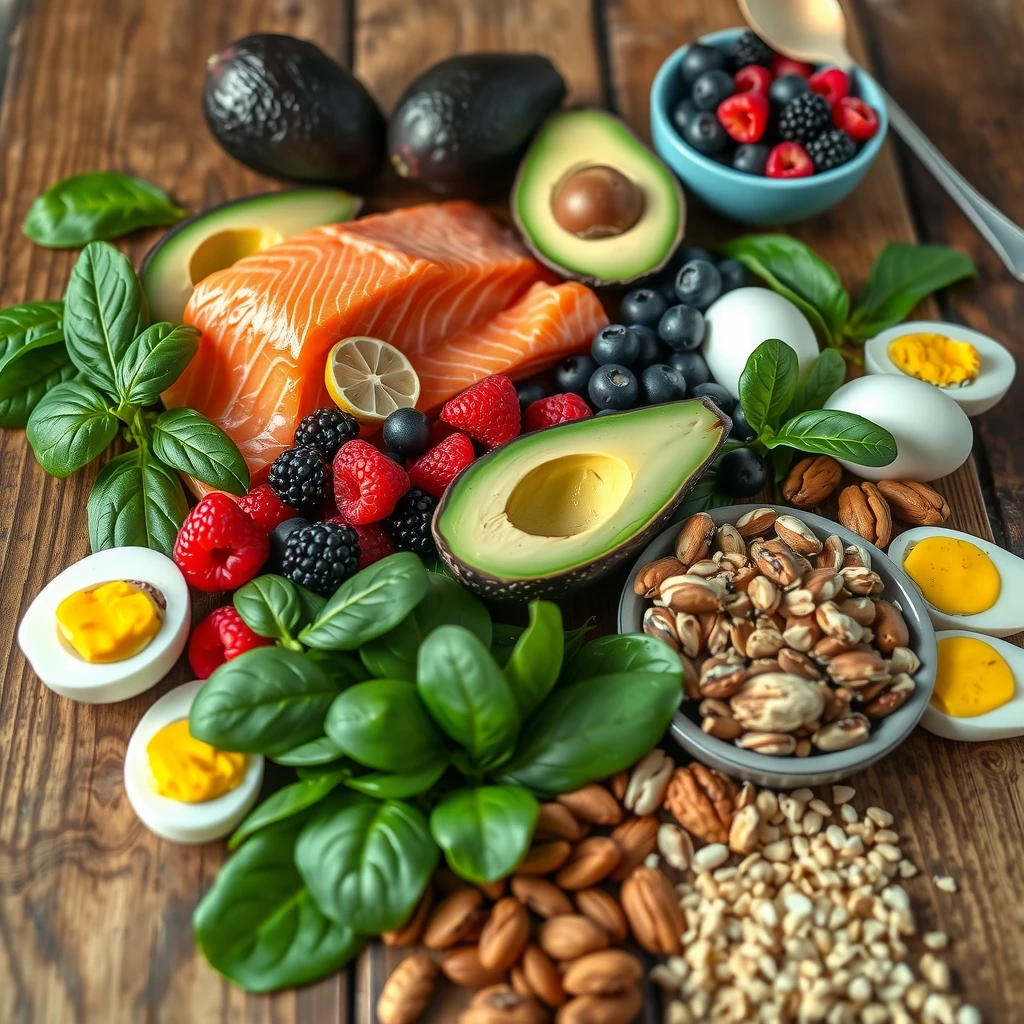
Top Foods to Include in Your Diet
Focus on these fertility-friendly foods:
- Leafy greens and veggies: Spinach, broccoli, and kale provide folate, which is crucial for egg development and preventing birth defects.
- Berries and fruits: Antioxidants in blueberries, strawberries, and oranges protect eggs and sperm from damage.
- Healthy fats: Avocados, nuts, seeds, and olive oil support hormone production.
- Lean proteins: Fish like salmon (rich in omega-3s), poultry, beans, and lentils are better than red meat.
- Whole grains: Brown rice, quinoa, and oats help stabilize blood sugar, which aids ovulation.
- Full-fat dairy: Some studies suggest it may help more than low-fat versions.
Aim for a Mediterranean-style eating pattern. It's linked to higher success rates in both natural conception and IVF. Mayo Clinic experts explain how lifestyle choices, including diet, count for female fertility.
Foods and Habits to Limit
Cut back on these to improve your odds:
- Trans fats and processed foods
- Sugary drinks and sweets
- Excessive caffeine (keep under 200mg daily)
- Alcohol
- High-mercury fish
Maintaining a healthy weight is key too. Being underweight or overweight can disrupt hormones and ovulation.
Lifestyle Changes That Boost Fertility
Diet is powerful, but pair it with these habits:
- Exercise regularly: Aim for 30 minutes most days. Moderate activity like walking or yoga improves blood flow to reproductive organs.
- Manage stress: Chronic stress raises cortisol, which interferes with hormones. Try meditation, deep breathing, or hobbies you enjoy.
- Get enough sleep: 7-9 hours nightly helps regulate reproductive hormones.
- Quit smoking: It damages eggs and sperm dramatically.
- Limit environmental toxins: Choose organic when possible and avoid plastics with BPA.

For men, these tips matter just as much. Healthy sperm needs antioxidants and nutrients like zinc and folate. A better diet improves semen quality, as shown in Harvard studies.
Optimizing IVF Cycles with Medication
If you're using IVF medication or fertility drugs, nutrition and lifestyle tips for fertility become even more important. These treatments stress your body, so fueling it well helps.
Antioxidants may improve egg quality during stimulation. Staying hydrated and eating anti-inflammatory foods supports recovery after retrieval.
Some research suggests folic acid and omega-3s enhance outcomes in assisted reproduction. Always check with your doctor before adding supplements.
Personal insight: I've seen friends thrive by making these changes. One couple switched to whole foods and added daily walks. They conceived naturally after years of trying. Another optimized their diet during IVF and had a successful cycle on the first try.
Supplements: What the Evidence Says
- Folic acid: Strongly recommended, especially higher doses for those with infertility.
- Vitamin D: If deficient, correcting it helps.
- CoQ10 and antioxidants: Promising for egg quality, but talk to your specialist.
Harvard's Nutrition Source discusses the fertility diet based on groundbreaking research.
Don't go overboard with supplements. Whole foods are best, and too much of some can harm.
Putting It All Together: A Sample Day
Breakfast: Greek yogurt with berries and nuts.
Lunch: Grilled salmon salad with greens and avocado.
Snack: Apple with almond butter.
Dinner: Stir-fried veggies with quinoa and chicken.
This keeps energy steady and nutrients high.
Final Thoughts
Small, consistent changes add up. Nutrition and lifestyle tips for fertility empower you during uncertain times. Be patient with yourself—improvements in egg and sperm health take about three months.
Consult a healthcare provider or fertility specialist for personalized advice, especially if using IVF medication.
You’ve got this. Focus on nourishing your body, and give yourself grace along the way.