Understanding Causes of Male Infertility and Treatments: A Comprehensive Guide
Dec. 31, 2025, 5:20 p.m.
Overview
Male infertility affects millions of couples worldwide. It plays a role in about half of all infertility cases. Many men face this issue, but good news exists—doctors identify causes in most situations and offer effective treatments.

You might feel surprised when trying for a baby doesn't work right away. Many couples go through this. Male infertility means problems with sperm production, function, or delivery. It doesn't mean you're less of a man—it often stems from fixable health issues.
How Common Is Male Infertility?
About 15% of couples struggle to conceive. Men contribute solely in 20-30% of cases and share responsibility in another 30-40%. That adds up to male factors in roughly half of infertility problems.
Main Causes of Male Infertility
Doctors group causes into several categories. Let's break them down simply.
Sperm Production Problems This is the most common issue. Your body might not make enough sperm or produce abnormal ones.
- Varicocele: Swollen veins in the scrotum raise temperature and hurt sperm quality. It affects about 40% of infertile men.
- Hormonal imbalances: Low testosterone or other hormones disrupt production.
- Genetic factors: Conditions like Klinefelter syndrome or Y chromosome deletions cause low or no sperm.
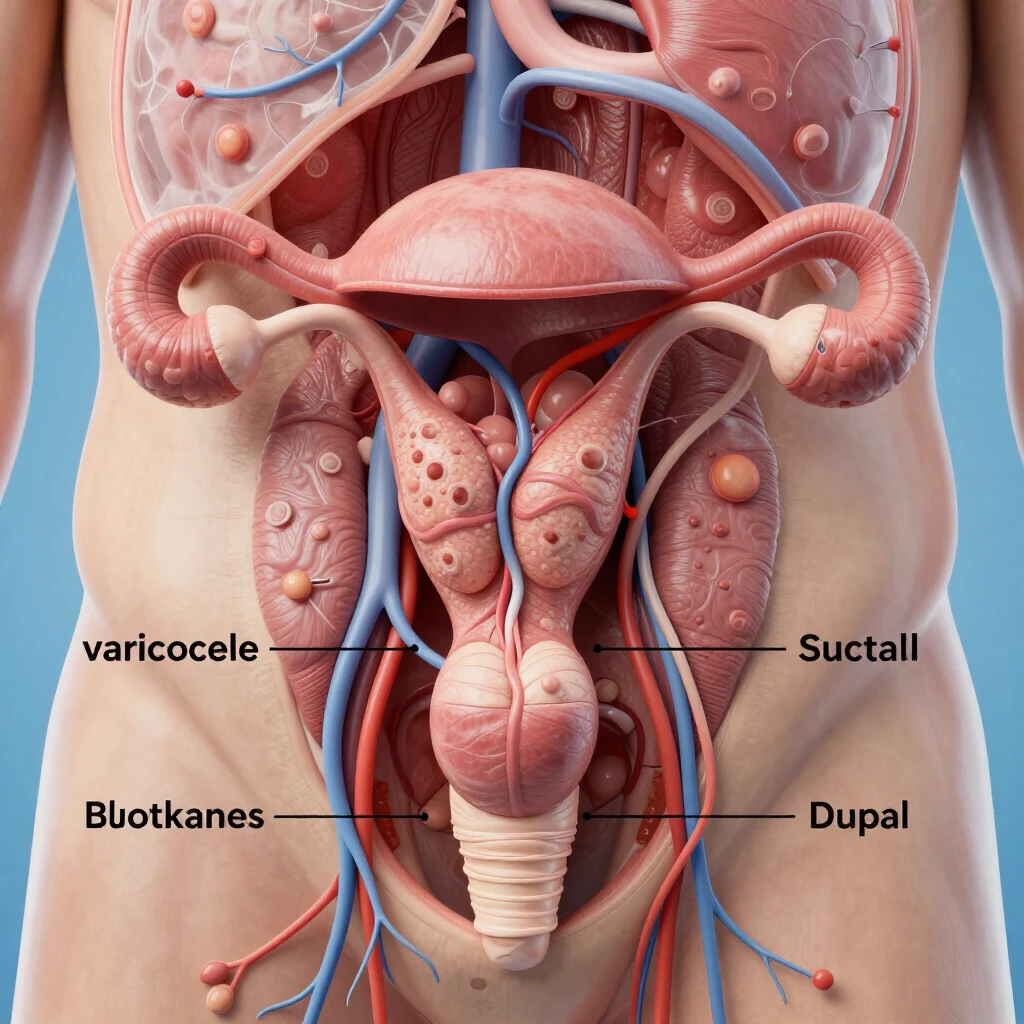
Learn more about varicocele and its impact on fertility from Mayo Clinic.
Blockages or Transport Issues Sperm gets produced but can't reach the semen.
- Congenital absence of vas deferens (often linked to cystic fibrosis genes).
- Infections or past surgeries causing scars.
- Ejaculation problems, like retrograde ejaculation.
Lifestyle and Environmental Factors Daily habits play a big role.
- Smoking reduces sperm count and motility.
- Excessive alcohol harms sperm.
- Obesity affects hormones.
- Exposure to toxins, heat, or radiation damages sperm.
Here are some common risk factors in a list: - Smoking tobacco - Heavy drinking - Drug use (including steroids) - Overweight or obesity - Frequent hot tub use or tight clothing - Stress
Other Medical Causes - Infections like mumps or STIs. - Cancer treatments (chemo/radiation). - Undescended testicles in childhood. - Autoimmune issues where body attacks sperm.
In many cases—up to 50%—doctors can't find a clear cause. We call this idiopathic male infertility.
For detailed causes, check Mayo Clinic's guide on male infertility symptoms and causes.
Diagnosis: First Steps
Doctors start with a semen analysis. You provide a sample, and labs check count, motility, and shape.

Other tests include: - Hormone blood tests - Ultrasound for varicocele - Genetic screening - Biopsy in rare cases
See NICHD on male infertility causes.
Treatments for Male Infertility
Good options exist. Treatment depends on the cause.
Lifestyle Changes Often the first step—and powerful.
Quit smoking, limit alcohol, eat healthy, exercise, and maintain good weight. These alone improve sperm in many men.
Medications - Hormones for imbalances. - Antibiotics for infections. - Clomiphene or other drugs to boost production (off-label but common).
Surgery - Varicocele repair: Fixes swollen veins and improves sperm in 60-70% of cases. - Vasectomy reversal. - Fixing blockages.
Assisted Reproductive Techniques (ART) When other methods don't work:
- Intrauterine insemination (IUI): Washed sperm placed directly in uterus.
- In vitro fertilization (IVF): Eggs fertilized in lab.
- Intracytoplasmic sperm injection (ICSI): Single sperm injected into egg—game-changer for severe cases.
Many couples succeed with ART. Learn about options in Mayo Clinic's treatment overview.
Personal Insights I've seen friends go through this. One had varicocele fixed and conceived naturally months later. Another needed ICSI but now has twins. Don't delay—seek help early. Support each other; it's a team effort.
Infertility feels isolating, but you're not alone. Talk openly with your partner and doctor.
Summary
Male infertility has many causes, from varicoceles and lifestyle to genetics. Treatments range from simple changes to advanced tech. Most men find paths to fatherhood. Act soon—consult a specialist.
Remember, hope exists. Many overcome this and build families.