Natural Remedies for Oligospermia: Boosting Male Fertility Naturally
Jan. 2, 2026, 5:20 p.m.
Overview
Oligospermia, or low sperm count, affects many men facing infertility challenges. Natural remedies for oligospermia focus on lifestyle tweaks, nutrient-rich foods, and supportive supplements to potentially enhance sperm production and overall male fertility.

Oligospermia means having fewer than 15 million sperm per milliliter of semen, according to the World Health Organization. This condition plays a role in about half of all infertility cases in couples. Many men discover they have oligospermia only when trying to conceive.
You might not notice any symptoms. The main sign is difficulty getting your partner pregnant after a year of trying. Other possible hints include swelling in the scrotum or issues with sexual function, but these are rare.
Common Causes of Oligospermia
Several factors can lead to low sperm count: - Varicocele (swollen veins in the scrotum) - Hormonal imbalances - Infections or past illnesses - Exposure to heat, toxins, or radiation - Lifestyle habits like smoking, heavy drinking, or obesity - Certain medications or genetic issues
Identifying the cause helps guide the best approach.
Lifestyle Changes to Support Sperm Health
Simple daily habits can make a big difference in addressing male infertility naturally.
Exercise Regularly
Aim for moderate activity like walking, jogging, or cycling most days. It helps maintain a healthy weight and reduces stress, both key for better sperm production. Avoid excessive intense workouts, as they might have the opposite effect.

Quit Smoking and Limit Alcohol
Smoking damages sperm DNA and lowers count. Excessive alcohol can disrupt hormones. Cutting back or stopping these habits often leads to noticeable improvements within months.
Manage Stress
High stress raises cortisol, which can interfere with testosterone. Try yoga, meditation, or deep breathing daily.
Avoid Heat Exposure
Keep your testicles cool. Skip hot tubs, saunas, and tight underwear. Don't keep laptops on your lap for long periods.
Weight Management
Extra body fat can convert testosterone to estrogen, lowering sperm count. Losing weight through balanced eating and movement supports hormone balance and fertility.
Dietary Approaches: Foods That May Help
Eating nutrient-dense foods provides building blocks for healthy sperm.
Focus on: - Zinc-rich foods: Oysters, beef, pumpkin seeds, and chickpeas. Zinc is crucial for testosterone and sperm development. - Antioxidant-packed options: Berries, nuts, dark leafy greens, and tomatoes. They fight oxidative stress that harms sperm. - Omega-3 sources: Fatty fish like salmon, walnuts, and flaxseeds for better sperm motility. - Vitamin C and E foods: Citrus, bell peppers, almonds, and sunflower seeds to protect sperm from damage.
A Mediterranean-style diet with plenty of fruits, vegetables, whole grains, and healthy fats shows promise for male infertility.
| Nutrient | Key Foods | Potential Benefit |
|---|---|---|
| Zinc | Oysters, seeds, nuts | Supports sperm count and testosterone |
| Vitamin C | Citrus, strawberries, broccoli | Improves motility and reduces damage |
| Omega-3 | Salmon, walnuts | Enhances sperm membrane fluidity |
| Folate | Leafy greens, avocados | Aids DNA synthesis in sperm |
| Antioxidants | Berries, dark chocolate | Protects against oxidative stress |
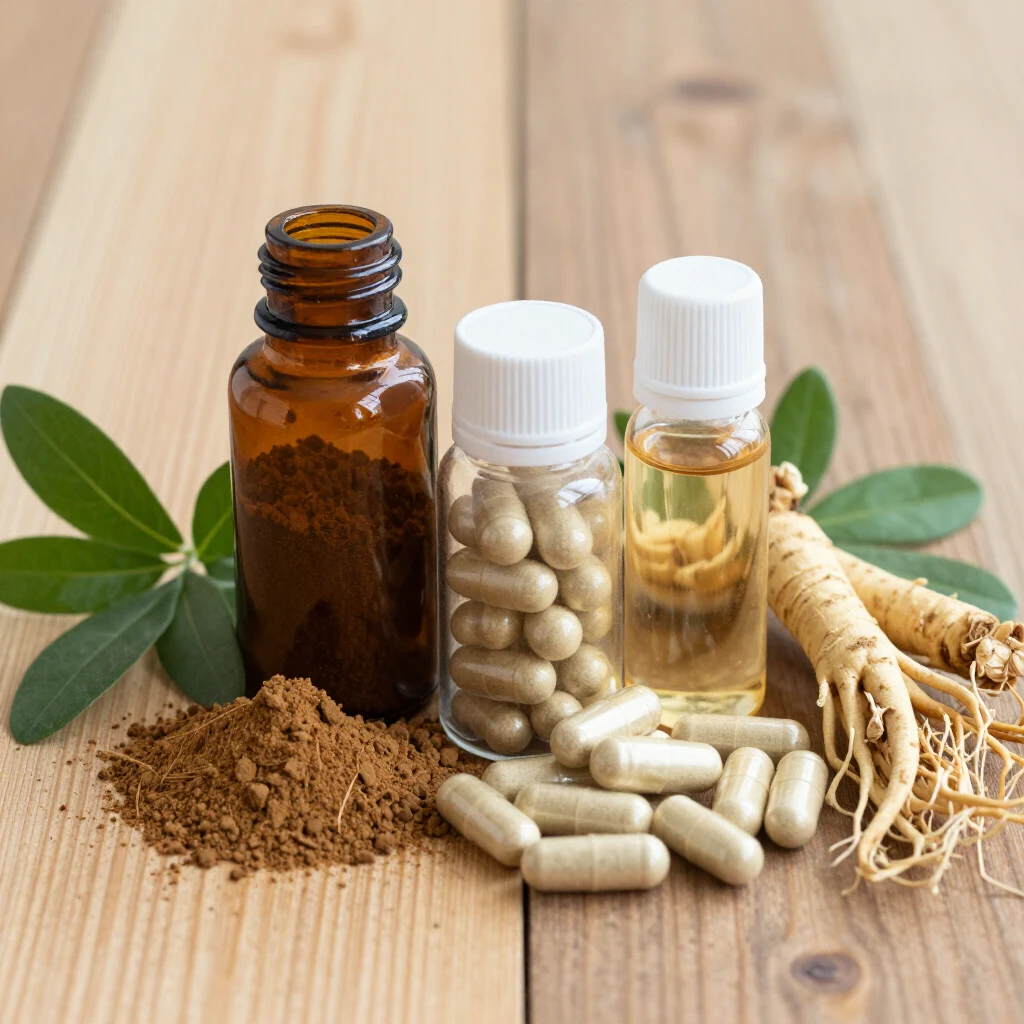
Supplements and Herbs as Natural Remedies for Oligospermia
Some supplements have evidence suggesting they help with low sperm count:
- CoQ10: An antioxidant that may boost sperm count and motility.
- Zinc and Selenium: Often low in men with oligospermia; supplementation can improve parameters.
- Vitamin C and E: Work together to reduce sperm DNA damage.
- Ashwagandha: This herb reduces stress and may increase sperm count in studies.
- Maca root: Traditionally used for fertility; some research shows better sperm motility.
- Omega-3 fatty acids: Support overall sperm health.
Always choose high-quality products and consult a doctor, as supplements can interact with medications.
Important Caution
While these natural remedies for oligospermia show promise, results vary. They're most effective for mild cases or as support alongside medical care. Severe oligospermia might need assisted reproduction like IVF.
Many men see improvements in 3-6 months with consistent changes, as sperm production takes about 74 days.
Track progress with semen analysis from a healthcare provider. Combine natural approaches with professional guidance for the best outcomes.
Final Thoughts
Natural remedies for oligospermia offer hopeful, actionable steps for men dealing with male infertility. By focusing on healthy habits, nourishing foods, and targeted supplements, you can support your body's natural fertility potential.
Remember, you're not alone—many couples overcome this. Seek expert advice early for personalized support.