Nutrition Tips for IVF Success
Jan. 4, 2026, 6:38 a.m.
Overview
Good nutrition plays a key role in supporting your body during IVF. Simple changes to what you eat can improve egg quality, hormone balance, and overall chances of success. These nutrition tips for IVF success focus on whole foods that reduce inflammation and provide essential nutrients.
Why Nutrition Matters for IVF
Many couples face infertility, and IVF helps many achieve pregnancy. But your diet influences how your body responds to fertility drugs and IVF medication.
Research from Harvard Health shows that healthy diets, like the Mediterranean one rich in fruits, vegetables, and healthy fats, link to better fertility outcomes. You control what you eat, and it supports your reproductive health.
Studies indicate that women following a Mediterranean diet before IVF have higher chances of clinical pregnancy and live birth, especially under age 35. Learn more in this Harvard Health review on fertility and diet.
Embrace the Mediterranean Diet
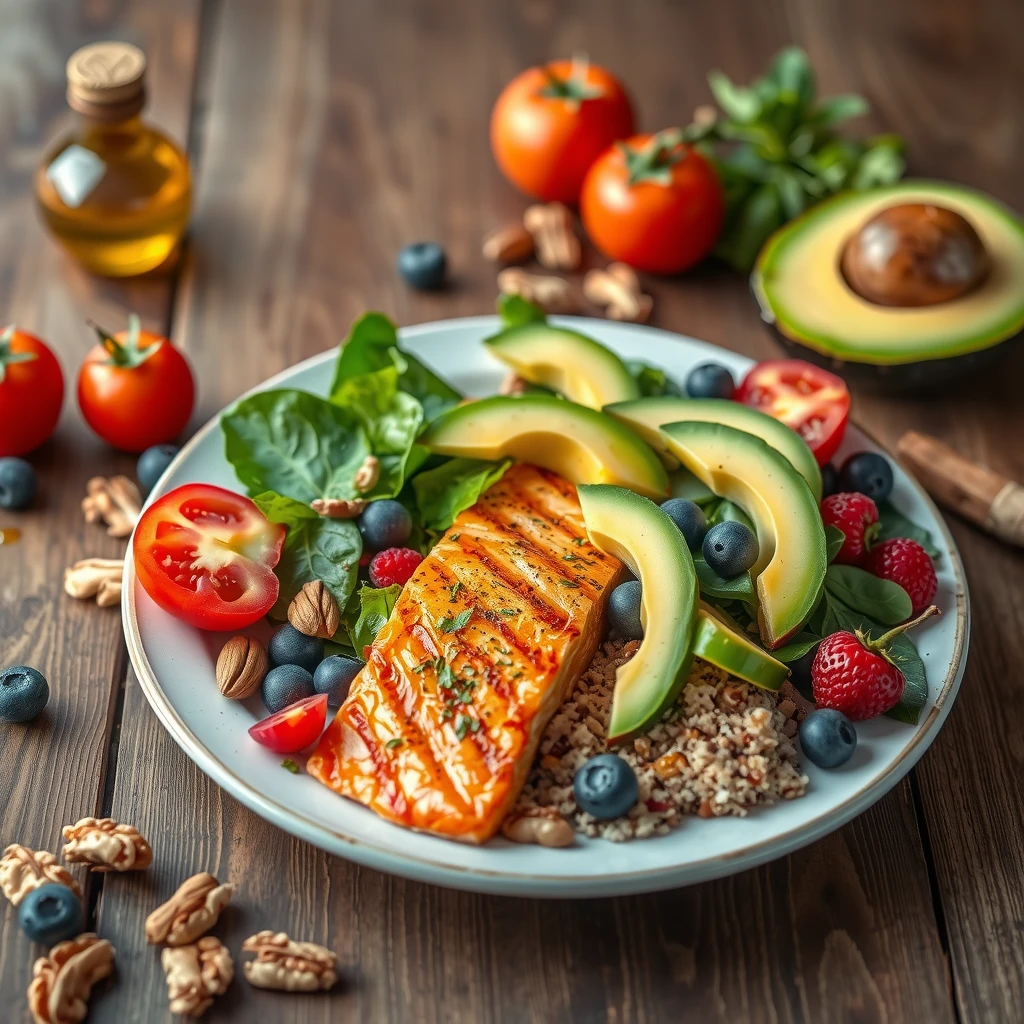
The Mediterranean diet stands out as one of the best approaches for nutrition tips for IVF success. It emphasizes plant-based foods, healthy fats, and lean proteins.
Key components include: - Plenty of fruits and vegetables - Whole grains like quinoa and brown rice - Nuts and seeds - Olive oil as the main fat - Fish for omega-3s - Moderate dairy and poultry - Limited red meat and sweets
One study found that higher adherence to this diet associates with better embryo quality and higher live birth rates in IVF patients. Check the details in this Mayo Clinic article on diet and fertility.
Essential Nutrients to Focus On
Certain nutrients prove especially helpful during IVF.
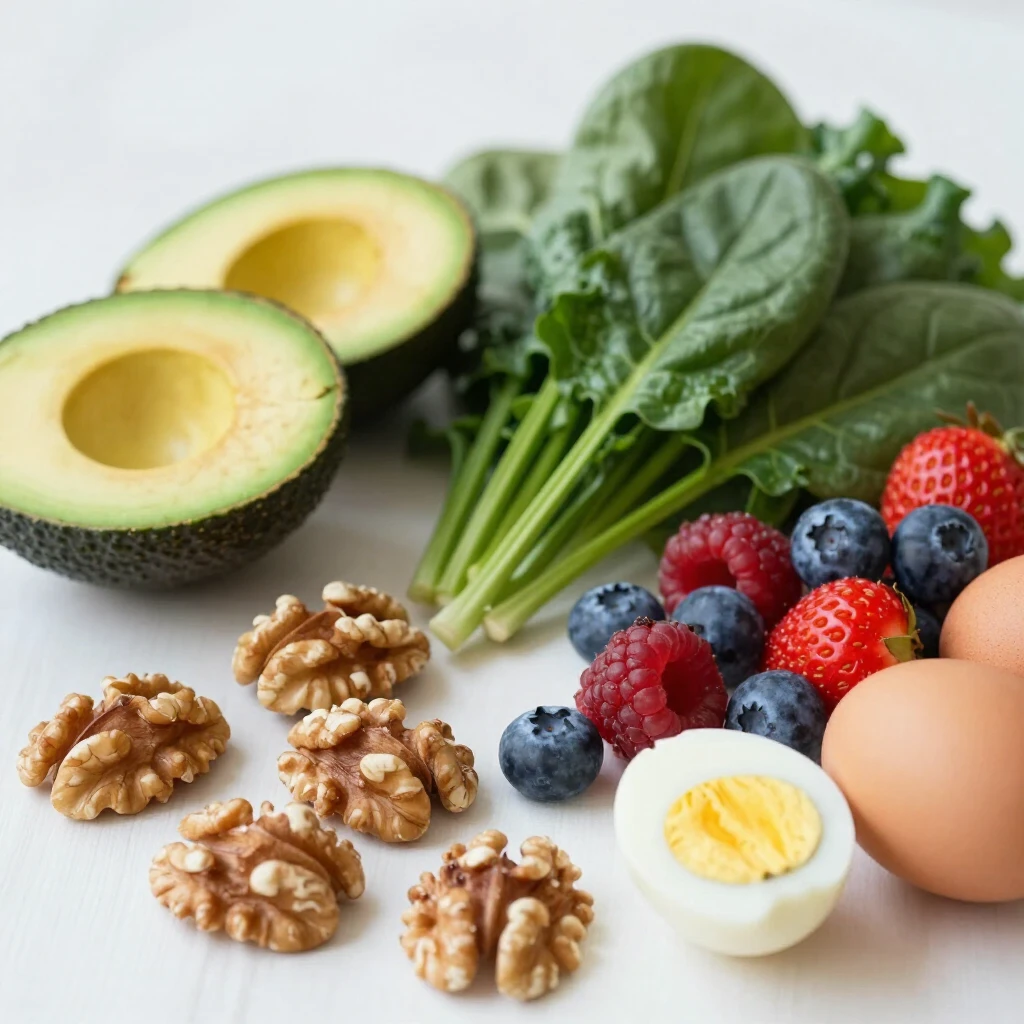
Folate: Crucial for cell division and preventing birth defects. Get it from leafy greens, avocados, and legumes. Harvard researchers link higher folate intake to improved ovulation and fertility.
Omega-3 Fatty Acids: Found in fatty fish like salmon, walnuts, and flaxseeds. They reduce inflammation and support egg quality. Evidence suggests omega-3s improve embryo morphology in IVF.
Antioxidants: Berries, nuts, and colorful veggies fight oxidative stress that harms eggs.
Protein: Choose plant-based and fish sources over red meat.
Iron and Vitamin D: Support hormone balance; low levels link to infertility.
Avoid processed foods, trans fats, and excessive sugar, as they increase inflammation and disrupt hormones.
| Nutrient | Food Sources | Benefit for IVF |
|---|---|---|
| Folate | Spinach, lentils, asparagus | Supports egg development and reduces anovulation risk |
| Omega-3s | Salmon, chia seeds, walnuts | Improves embryo quality and implantation |
| Antioxidants | Berries, dark chocolate, green tea | Protects eggs from damage |
| Healthy Fats | Avocado, olive oil, nuts | Balances hormones |
Practical Meal Ideas
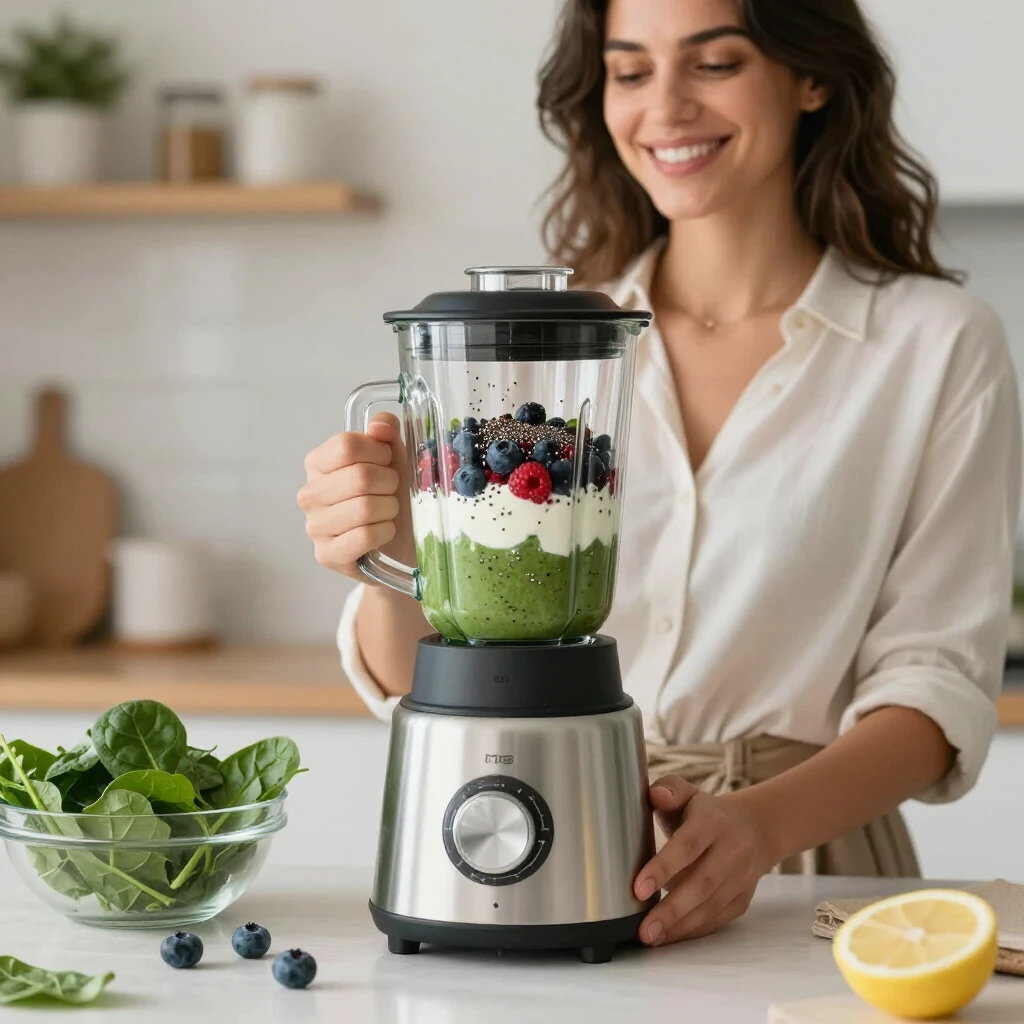
Start your day with a smoothie packed with spinach, berries, yogurt, and seeds.
Lunch: A big salad with greens, grilled chicken or salmon, avocado, nuts, and olive oil dressing.
Dinner: Baked fish with quinoa and steamed veggies.
Snacks: Handful of nuts, fruit, or Greek yogurt.
These choices make nutrition tips for IVF success easy to follow.
Hydration and Lifestyle Ties
Drink plenty of water—aim for 8-10 glasses daily. It helps your body process IVF medication and fertility drugs.
Limit caffeine to 200mg per day and avoid alcohol, as both affect fertility.
Supporting IVF Medication
While on fertility drugs, your body works hard. Nutrient-rich foods help manage side effects and optimize response.
Some women find gentle IVF medication injection tips helpful, like icing the area or relaxing during shots, but always follow your doctor's advice.
Nutrition complements treatment without interfering.
For more on lifestyle factors, see this Mayo Clinic guide to female fertility.
Supplements: Proceed with Caution
A prenatal vitamin with folate is standard. Some consider CoQ10 or omega-3 supplements, but consult your doctor first. Food sources are often best.
Evidence for supplements varies, but a balanced diet provides the foundation.
Final Thoughts
You can influence your IVF journey through nutrition tips for IVF success. Small, consistent changes add up. Many women share how better eating gave them more energy and hope during treatment.
Every body is different, so work with your healthcare team for personalized advice. Stay positive—you're taking powerful steps toward your family.