Nutrition Tips for Improving Egg Quality
Jan. 8, 2026, 6:55 a.m.
Quick Overview
If you're trying to conceive, especially with challenges like infertility, small changes to your diet can help improve egg quality. Focus on antioxidant-rich foods, healthy fats, and key nutrients while preparing for treatments like IVF medication or fertility drugs. These steps support your body naturally and may boost treatment success.
Why Egg Quality Matters for Fertility
Egg quality plays a big role in getting pregnant, whether naturally or through treatments. Healthy eggs are more likely to fertilize properly and develop into strong embryos.
As women age, egg quality naturally declines, but lifestyle factors speed this up. Poor diet, stress, and inflammation all take a toll. The good news? You can fight back with food.
Many women facing infertility find that better nutrition helps their body respond to fertility drugs and IVF medication. A healthier diet creates a better environment for eggs to mature.
Key Nutrients That Support Egg Quality
Certain nutrients stand out when it comes to protecting and nourishing eggs. Here are the most important ones:
- Antioxidants: They reduce oxidative stress that damages eggs. Look for vitamins C, E, and compounds like polyphenols.
- Omega-3 fatty acids: These lower inflammation and support hormone balance.
- Folate: Essential for cell division and preventing defects.
- CoQ10: Provides energy to egg cells and protects them as you age.
- Vitamin D: Linked to better ovarian function.
- Zinc and selenium: Support egg maturation and DNA health.
Best Foods to Eat Every Day
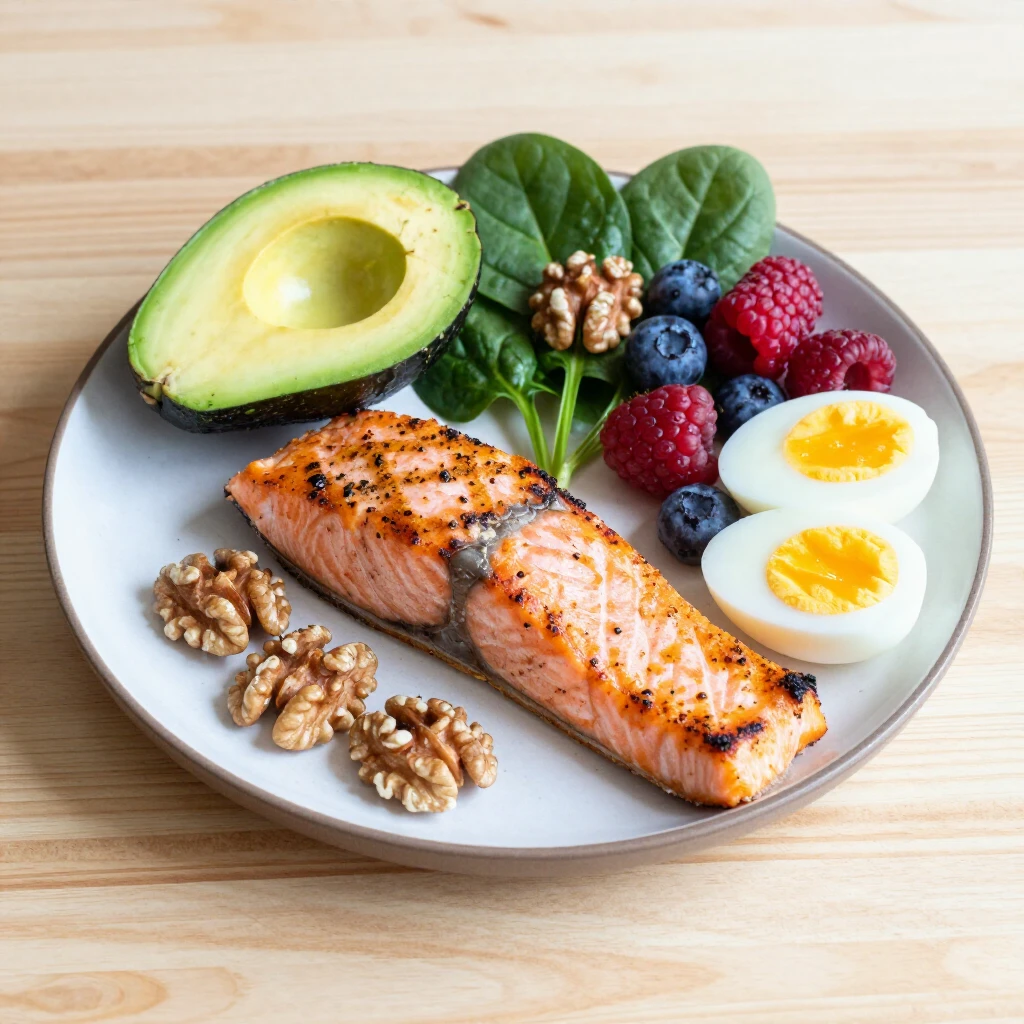
Fill your plate with whole foods. These choices deliver the nutrients your eggs need:
| Food | Key Benefits | Easy Ways to Add It |
|---|---|---|
| Berries (blueberries, strawberries) | High in antioxidants | Smoothies, yogurt topping, fresh snack |
| Salmon and fatty fish | Rich in omega-3s | Grilled, baked, or in salads |
| Avocados | Healthy fats and folate | Toast, salads, smoothies |
| Leafy greens (spinach, kale) | Folate, iron, antioxidants | Salads, sautéed sides, smoothies |
| Nuts and seeds (walnuts, flaxseeds) | Omega-3s, vitamin E, zinc | Snacks, oatmeal topping, salads |
| Eggs | Choline and protein | Boiled, scrambled, omelets |
| Beans and lentils | Plant protein and folate | Soups, salads, side dishes |
Aim for variety. A colorful plate usually means you're getting a wide range of protective compounds.

Foods to Limit or Avoid
Some foods work against egg health. Cut back on these:
- Processed meats and excessive red meat
- Trans fats found in fried foods and packaged snacks
- Refined sugars and white flour products
- Too much caffeine (keep under 200mg daily)
- Alcohol
These choices increase inflammation and disrupt hormones, making it harder for eggs to develop properly.
Supplements That Can Help
Food comes first, but targeted supplements often help, especially during IVF cycles. Always check with your doctor before starting:
- CoQ10 (200-600mg daily): Strong evidence for improving egg energy and quality, particularly in women over 35.
- Omega-3 fish oil: Supports cell membranes.
- Vitamin D: If levels are low, supplementation improves outcomes.
- Myo-inositol: Helps with insulin sensitivity and egg maturation.
- Prenatal vitamin with folate: Covers basics.
Studies show women who take certain supplements alongside IVF medication see better embryo quality.
How Diet Affects IVF Medication Effectiveness
What you eat influences how well fertility drugs work. A nutrient-rich diet helps your body absorb and use medications better.
For example, healthy fats improve hormone production, which works hand-in-hand with IVF stimulation drugs. Antioxidants protect developing follicles from stress caused by medications.
Research on the Mediterranean diet shows women who follow it closely have higher success rates with IVF. One study found up to 40% better chances of pregnancy.
Simply put, good nutrition sets the stage for fertility drugs to do their job.

A Simple Daily Eating Pattern
You don't need complicated rules. Try this balanced approach:
Breakfast: Greek yogurt with berries, walnuts, and flaxseeds.
Lunch: Large salad with spinach, grilled salmon, avocado, and olive oil dressing.
Snack: Apple with almond butter or a green smoothie.
Dinner: Baked chicken or lentils with quinoa and roasted vegetables.
Stay hydrated—drink plenty of water throughout the day.
Many women notice more energy and regular cycles within a few months of consistent changes.
Real Experiences and Final Thoughts
I've seen countless women transform their fertility journey through diet alone. One friend in her late 30s switched to whole foods and added CoQ10 before her IVF cycle. She went from poor egg quality reports to retrieving healthier eggs and finally welcoming her baby.
While nutrition isn't a guarantee, it gives your body the best possible chance. Start small, stay consistent, and combine these tips with medical guidance.
Improving egg quality takes time—give yourself at least 3 months to see benefits, since eggs mature over about 90 days.
You deserve to feel empowered on this path. Small daily choices add up to big results.
Summary
Focus on whole foods rich in antioxidants, healthy fats, and key vitamins. Limit processed items and consider proven supplements. These nutrition tips for improving egg quality can support natural conception and enhance IVF medication effectiveness. Work with your healthcare team for personalized advice.