Acupuncture and Fertility: What You Need to Know
Jan. 11, 2026, 6:49 a.m.
Overview
Many women facing fertility challenges, especially those with endometriosis, turn to acupuncture as a gentle, complementary approach. This ancient practice may help reduce pain, balance hormones, and improve blood flow to reproductive organs, creating a more supportive environment for conception.
Understanding Acupuncture and Its Role in Fertility
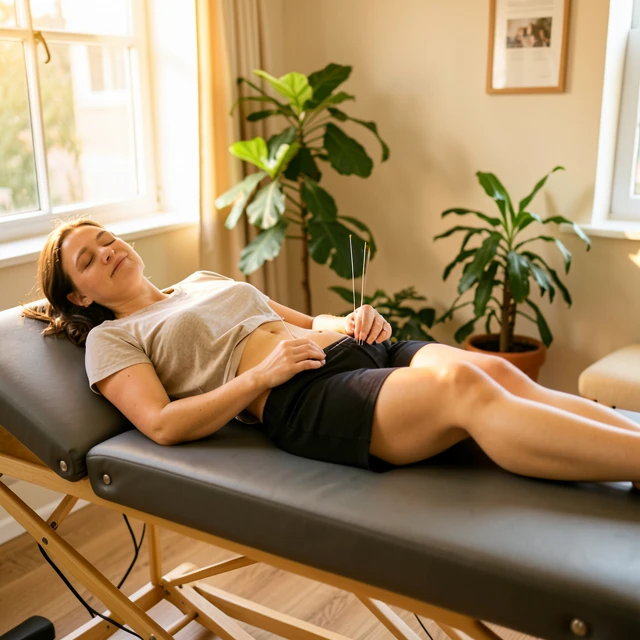
Acupuncture involves inserting very thin needles into specific points on the body. Practitioners believe this stimulates the body's natural healing processes.
For fertility, acupuncture focuses on points that influence reproductive health. Research suggests it can increase blood flow to the uterus and ovaries, regulate hormone levels, and lower stress—all factors that play a role in conception.
Studies on acupuncture during IVF show mixed but promising results. Some trials report higher pregnancy rates when acupuncture is done around embryo transfer, while others find benefits similar to relaxation alone. The key takeaway? It often helps women feel more in control and less anxious during treatment.
The Connection Between Endometriosis and Fertility
Endometriosis affects about 10-15% of women of reproductive age. Tissue similar to the uterine lining grows outside the uterus, causing inflammation, scarring, and pain.
This condition can impact fertility by distorting anatomy, creating inflammation in the pelvic cavity, or affecting egg quality. Many women with endometriosis experience painful periods, chronic pelvic pain, and difficulty conceiving.
While endometriosis has no cure, managing symptoms early can help preserve fertility options.
The Benefits of Acupuncture for Endometriosis Relief
One of the strongest areas of evidence for acupuncture is pain management in endometriosis. Multiple reviews and clinical trials show that regular sessions can significantly reduce menstrual pain and chronic pelvic discomfort.
Women often report shorter durations of severe pain and improved overall well-being. Acupuncture appears to work by lowering inflammation, modulating pain signals, and balancing hormones that drive endometriosis symptoms.
For many, this relief comes without the side effects of long-term medication.
How Acupuncture Supports Fertility Preservation for Endometriosis
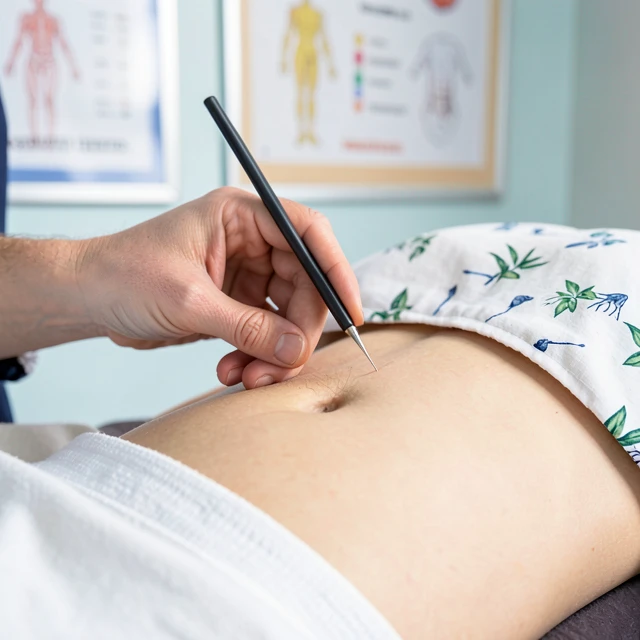
When endometriosis affects fertility, acupuncture serves as a supportive tool. By reducing inflammation and improving pelvic blood flow, it may create a healthier environment for eggs and implantation.
Some studies note lower CA-125 levels (a marker associated with endometriosis activity) after acupuncture treatment. While not a standalone fertility treatment, it complements medical approaches like IVF.
Women with endometriosis who add acupuncture often feel more optimistic and experience less treatment-related stress.
Natural Ways to Preserve Fertility with Endometriosis
Alongside acupuncture, lifestyle changes make a real difference. Here are practical steps:
- Follow an anti-inflammatory diet — Focus on fruits, vegetables, omega-3-rich fish, and whole grains. Limit red meat, processed foods, and sugar.
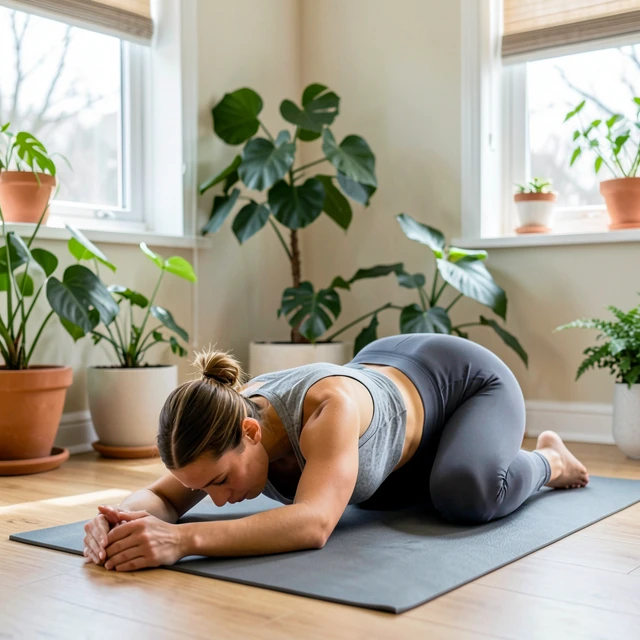
- Exercise regularly — Moderate activities like walking, yoga, or swimming reduce inflammation and support hormone balance.
- Manage stress — Techniques like meditation or gentle yoga help lower cortisol, which can worsen symptoms.
- Consider supplements — Some find relief with turmeric, omega-3s, or magnesium (always check with your doctor).
- Track your cycle — Understanding ovulation patterns helps time conception efforts.
These natural approaches, combined with medical advice, support fertility preservation for endometriosis.
How to Find a Qualified Acupuncturist
Choosing the right practitioner matters, especially for fertility concerns. Look for these credentials:
- State licensure as an acupuncturist
- Certification from the Acupuncture and TCM Board of Reproductive Medicine (ABORM)
- Experience treating fertility and endometriosis
- Good reviews from patients with similar concerns
Ask about their approach to working with reproductive endocrinologists. A qualified acupuncturist collaborates with your medical team for the best outcomes.
Resources like the ABORM directory (aborm.org) help locate specialists near you.
What to Expect and Integrating Treatment
Sessions typically last 30-60 minutes. You relax while needles stay in place for 20-30 minutes. Most people feel minimal discomfort—often just a brief pinch.
For fertility, practitioners often recommend weekly sessions, increasing frequency around ovulation or IVF cycles.
Acupuncture works best alongside conventional care. Many fertility clinics now offer on-site acupuncture or referrals.
Always inform your doctor about complementary treatments you're using.
Real Experiences and Final Thoughts
Women I've spoken with describe acupuncture as a turning point. One shared how it finally eased her debilitating period pain after years of struggling with endometriosis. Another noticed more regular cycles and felt calmer during her IVF journey.
While results vary, the combination of pain relief, reduced stress, and potential reproductive benefits makes acupuncture worth considering.
Summary
Acupuncture offers a safe, natural complement to fertility treatment, with strong evidence for endometriosis pain relief and promising support for conception. Pair it with healthy lifestyle choices and expert medical care for the best chance at success. Consult qualified professionals to create a personalized plan.
For more information: - American Society for Reproductive Medicine on Endometriosis - National Center for Complementary and Integrative Health on Acupuncture