Understanding PCOS: Symptoms and Solutions
Jan. 9, 2026, 6:42 a.m.
Polycystic ovary syndrome (PCOS) is one of the most common hormonal conditions in women of childbearing age. It can cause irregular periods, unwanted hair growth, acne, weight challenges, and trouble getting pregnant. The good news is that early awareness and the right steps can make a big difference in managing symptoms and improving quality of life.
What Is PCOS?
PCOS is a hormonal disorder that affects how the ovaries work. Women with PCOS often have higher-than-normal levels of male hormones (androgens) and insulin resistance. This imbalance prevents the ovaries from releasing eggs regularly, which leads to ovulation disorders.
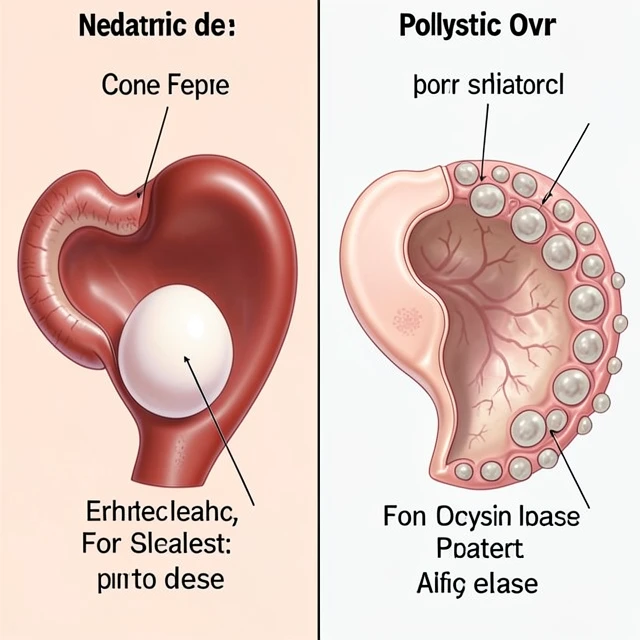
Small collections of fluid-filled sacs, called follicles, can build up on the ovaries. These are not harmful cysts, but they show the ovaries are not working as they should. PCOS affects up to 10-15% of women worldwide, yet many go undiagnosed for years.
Common Symptoms of PCOS
Symptoms usually appear in the late teens or early 20s, but they can start later. Every woman experiences PCOS differently. Here are the most frequent signs:
- Irregular periods – fewer than eight periods a year, cycles longer than 35 days, or very heavy bleeding
- Excess hair growth on the face, chest, back, or stomach (hirsutism)
- Acne that continues into adulthood or is hard to treat
- Thinning hair or male-pattern hair loss on the scalp
- Weight gain, especially around the abdomen, or difficulty losing weight
- Dark patches of skin on the neck, armpits, or groin
- Skin tags in the same areas
If you notice several of these changes, talk to your doctor.
Why Does PCOS Develop?
Doctors do not know the exact cause, but several factors play a role:
- Insulin resistance – The body makes insulin, but cells do not use it well. This raises insulin levels, which tells the ovaries to produce more androgens.
- Genetics – PCOS often runs in families. If your mother or sister has it, your chances are higher.
- Low-grade inflammation – Ongoing mild inflammation can also increase androgen production.
Extra weight can worsen insulin resistance and symptoms, creating a cycle that is hard to break without action.
How PCOS Affects Fertility
PCOS is one of the leading causes of female infertility. The hormonal imbalance often stops regular ovulation, so no egg is released each month. This condition is called an ovulation disorder.
Many women only discover they have PCOS when they try to conceive and face challenges. However, most women with PCOS can still become pregnant with the right support. Early treatment improves the odds significantly.
Getting a Diagnosis
There is no single test for PCOS. Doctors use the Rotterdam criteria, which require at least two of the following:
- Irregular or absent periods
- Signs of high androgens (from blood tests or physical signs like excess hair)
- Polycystic appearance of ovaries on ultrasound
Your doctor will also rule out other conditions with blood tests and possibly an ultrasound. Be open about your cycle history and symptoms – it helps reach an accurate diagnosis faster.
Lifestyle Changes That Make a Real Difference
Lifestyle forms the foundation of PCOS management. Small, consistent changes often bring noticeable improvement.
- Lose a modest amount of weight – Even 5-10% weight loss can restore regular periods and ovulation in many women.
- Eat balanced meals – Focus on whole foods, vegetables, lean proteins, healthy fats, and complex carbohydrates. Limit processed foods and added sugars.
- Move regularly – Aim for at least 30 minutes of moderate exercise most days. Strength training and cardio both help lower insulin levels.
- Manage stress and sleep – Both affect hormones, so find routines that work for you.
Many women report feeling more energetic and seeing clearer skin after a few months of these habits.

Medical Treatment Options
Medication choices depend on your main concerns – regulating cycles, reducing hair growth or acne, or improving fertility.
To Regulate Periods and Reduce Androgens
- Combined oral contraceptives (the pill) lower androgen levels, clear acne, reduce excess hair, and protect the uterine lining.
- Anti-androgen medicines like spironolactone can help with hair growth and acne (used with reliable birth control).
Treatment Options for Ovulation Disorders and Infertility
- Letrozole or clomiphene – First-line medicines to stimulate ovulation.
- Metformin – Improves insulin sensitivity, helps weight loss, and can restart ovulation when added to other treatments.
- Gonadotropin injections – Used if oral medicines do not work.
- In vitro fertilization (IVF) – An effective option when other approaches are not successful.
Your doctor will tailor the plan to your goals, whether you want to conceive now or later.

Living Well with PCOS
A PCOS diagnosis can feel overwhelming at first, but many women thrive once they find what works for them. Track your cycles and symptoms to spot patterns. Connect with support groups online or locally – hearing others' stories reduces isolation.
Focus on progress, not perfection. Celebrate small wins like more regular energy or clearer skin. Work closely with your healthcare team and revisit your plan as needs change.
Final Thoughts
Understanding PCOS – its symptoms and solutions – empowers you to take charge of your health. Lifestyle changes combined with the right medical support can reduce symptoms, lower long-term risks, and help with fertility when desired. You are not alone, and effective options exist.
If you suspect PCOS, schedule an appointment with your doctor soon. Early steps lead to better outcomes.
For trustworthy information, visit the Mayo Clinic PCOS overview or the Office on Women's Health PCOS page.