Understanding Female Fertility: A Comprehensive Guide
Jan. 10, 2026, 6:45 a.m.
Overview
Female fertility involves a woman's ability to conceive and carry a pregnancy. This guide explores key factors, challenges, and solutions, helping you understand your body better. Whether planning a family or facing issues, gain insights to make informed choices.
What Is Female Fertility?
Female fertility refers to a woman's capacity to produce eggs and support a pregnancy. It starts at puberty and peaks in the early 20s. Each month, your ovaries release an egg during ovulation. If sperm fertilizes it, pregnancy can occur.
Many women track their cycles to pinpoint fertile days. Apps and ovulation kits make this easy. But fertility isn't just about timing. Hormones like estrogen and progesterone play big roles. Disruptions can lead to issues.
Experts at the Mayo Clinic note that about one in eight couples face fertility problems. Understanding your cycle helps spot early signs of trouble. Keep a journal of your periods. Note any changes in flow or pain. This data aids doctors if you seek help.
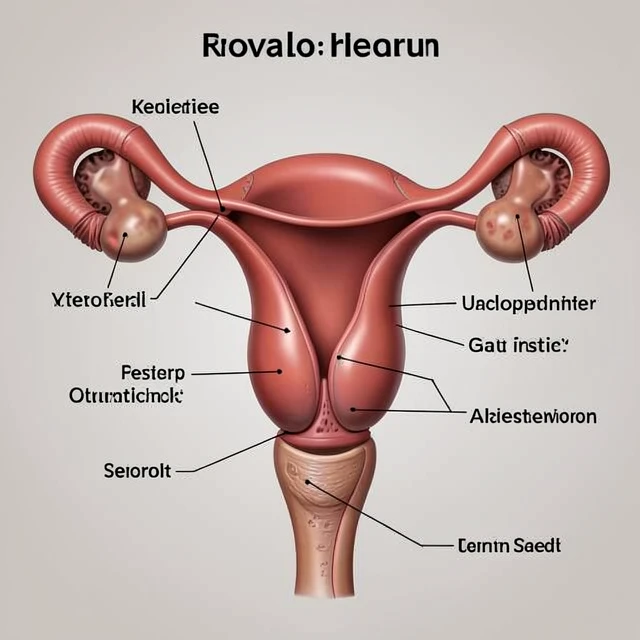
Factors That Affect Female Fertility
Lifestyle choices impact fertility a lot. Smoking harms eggs and raises miscarriage risks. Quit now to boost your chances. Alcohol in excess can disrupt hormones. Limit it to one drink a day.
Weight matters too. Being underweight or overweight affects ovulation. Aim for a healthy BMI through balanced eating and exercise. Stress also plays a part. High stress levels release cortisol, which can delay ovulation. Try yoga or meditation to manage it.
Environmental factors count. Exposure to chemicals like pesticides can lower fertility. Choose organic foods when possible. Regular check-ups catch issues early. Get screened for STIs, as they can scar fallopian tubes.
Here's a quick list of tips to support fertility: - Eat nutrient-rich foods like leafy greens and nuts. - Exercise moderately, about 30 minutes daily. - Sleep 7-9 hours each night. - Avoid caffeine overload.
Personal story: A friend of mine improved her fertility by switching to a Mediterranean diet. She conceived after months of trying. Small changes add up.
The Impact of Age on Fertility: A Guide for Couples
Age is a major factor in fertility. Women's egg supply drops over time. By age 35, fertility declines sharply. At 40, chances of natural conception fall below 5% per cycle.
Men face age-related changes too, though less dramatically. Sperm quality decreases after 40, raising risks of genetic issues. Couples should discuss this openly. Plan family earlier if possible.
Data from the American Society for Reproductive Medicine shows that fertility peaks at 25-29. After 30, it dips gradually. Don't panic, though. Many women have healthy pregnancies in their 30s.
If you're over 35 and trying, see a specialist after six months. Tests like AMH levels measure egg reserve. Knowledge empowers you to act.

Common Fertility Challenges for Women
Polycystic ovary syndrome (PCOS) affects up to 10% of women. It causes irregular periods and excess hormones. Weight management and meds like metformin help.
Endometriosis involves tissue growth outside the uterus. It causes pain and can block tubes. Surgery or hormone therapy treats it.
Thyroid problems disrupt cycles. Get your levels checked annually. Low progesterone can prevent implantation. Supplements might help under doctor guidance.
Age-related infertility ties into diminishing egg quality. Eggs accumulate damage over years. Freezing eggs in your 20s preserves options.
I recall a colleague who dealt with PCOS. She tracked her symptoms and worked with a nutritionist. Now, she's a mom of two. Persistence pays off.
Male Infertility: Causes and Treatments
While focusing on female fertility, remember partners matter. Male infertility causes about 40% of couple issues. Low sperm count, poor motility, or blockages are common.
Causes include varicoceles, infections, or lifestyle factors like smoking. Treatments range from surgery to meds. Lifestyle tweaks boost sperm health.
Couples should test both partners early. Semen analysis is simple and key. For more, visit sites like the Cleveland Clinic for details.
In one case I know, a man improved his count by quitting smoking and adding zinc-rich foods. They conceived naturally after.
Fertility Treatments and Age-Related Infertility
Fertility treatments offer hope. Intrauterine insemination (IUI) places sperm directly in the uterus. It's less invasive and costs less than IVF.
In vitro fertilization (IVF) involves egg retrieval, lab fertilization, and embryo transfer. Success rates vary by age: over 40% under 35, dropping to 10% over 40.
For age-related infertility, donor eggs raise success. Preimplantation genetic testing screens embryos.
Costs add up, so research insurance. Emotional support is crucial. Join groups for shared stories.
A table of common treatments:
| Treatment | Description | Success Rate |
|---|---|---|
| IUI | Sperm inserted into uterus | 10-20% per cycle |
| IVF | Lab fertilization and transfer | 20-40% depending on age |
| Clomid | Oral med to stimulate ovulation | Varies |
Always consult a fertility specialist. They tailor plans to you.

Living with Fertility Challenges: Personal Insights
Facing infertility feels isolating. I spoke with women who shared their journeys. One said journaling helped process emotions. Another found acupuncture reduced stress.
Build a support network. Talk to friends or counselors. Exercise releases endorphins, lifting mood.
Focus on what you control. Adopt healthy habits. Some turn to adoption or fostering as fulfilling paths.
Remember, fertility doesn't define you. Many thrive regardless. Seek joy in other areas while pursuing goals.
Summary
This guide on Understanding Female Fertility: A Comprehensive Guide covers basics to advanced topics like fertility treatments and age-related infertility. Empower yourself with knowledge. Consult professionals for personalized advice. You're not alone in this journey.