Nutrition Tips for Boosting Fertility
Jan. 10, 2026, 6:43 a.m.
If you're trying to start a family, what you eat matters a lot. Good nutrition can help your body prepare for pregnancy. This article shares nutrition tips for boosting fertility, ways to handle stress, and how diet fits with fertility treatments. Let's dive in and see how small changes can lead to big results.
Why Nutrition Plays a Key Role in Fertility
Your body needs the right fuel to work well, especially when it comes to making babies. Eating healthy foods gives you energy and supports hormone balance. Many couples find that tweaking their diet helps them conceive faster.
Think about it this way: your meals are like building blocks for your reproductive health. Skip the junk, and focus on whole foods. This approach can improve egg quality in women and sperm health in men.
Key Nutrients That Boost Fertility
Certain vitamins and minerals stand out when it comes to fertility. Let's break them down.
First, folic acid helps prevent birth defects and supports cell growth. Women should aim for 400 micrograms a day. Men benefit too, as it improves sperm count.
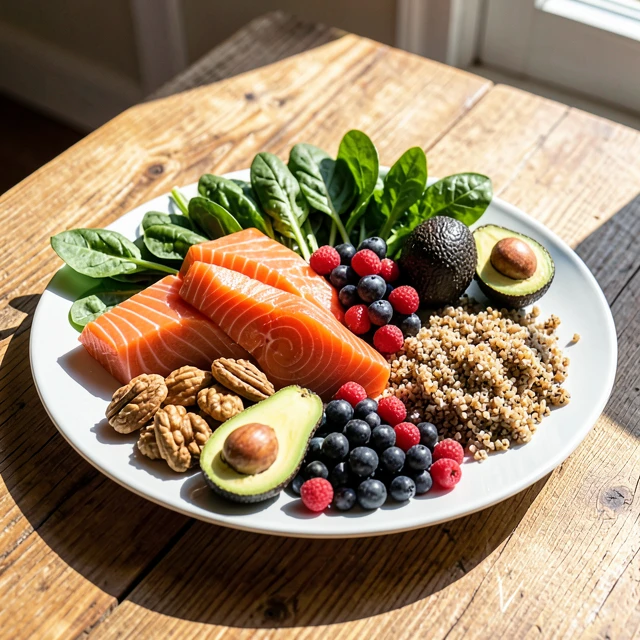
Next, omega-3 fatty acids reduce inflammation and help with hormone production. Find them in fish like salmon or flaxseeds.
Zinc keeps testosterone levels steady in men and aids ovulation in women. Oysters, beef, and pumpkin seeds are great sources.
Antioxidants fight damage from free radicals, which can harm eggs and sperm. Berries, nuts, and dark chocolate pack a punch here.
Iron prevents anemia, which can disrupt ovulation. Eat spinach, lentils, and red meat to get enough.
Here's a quick table of these nutrients and their sources:
| Nutrient | Benefits for Fertility | Food Sources |
|---|---|---|
| Folic Acid | Supports cell division and prevents defects | Leafy greens, fortified cereals, beans |
| Omega-3s | Reduces inflammation, aids hormones | Salmon, chia seeds, walnuts |
| Zinc | Boosts testosterone, aids ovulation | Oysters, poultry, nuts |
| Antioxidants | Protects eggs and sperm | Berries, dark leafy greens, tea |
| Iron | Prevents anemia, supports ovulation | Red meat, spinach, lentils |
Building a Fertility-Friendly Diet
Start your day with a balanced breakfast. Try oatmeal with berries and nuts. This gives you slow-release energy and antioxidants.
For lunch, go for a salad with grilled chicken, avocado, and olive oil dressing. Add some quinoa for extra protein.
Dinner could be baked salmon with sweet potatoes and broccoli. This meal covers omega-3s, vitamins, and fiber.
Snack smart with yogurt and fruit or a handful of almonds. Avoid sugary treats that spike blood sugar.
Drink plenty of water—aim for eight glasses a day. Herbal teas count too, but skip caffeine overload.
Cut back on processed foods. They often have trans fats that hurt fertility. Choose whole foods instead.
According to a Harvard Health post on fertility and diet, eating more plant-based proteins and healthy fats can improve your chances of conceiving.
Nutrition for Men: Don't Forget the Guys
Guys, your diet affects sperm quality. Eat foods rich in vitamin C, like oranges and peppers, to improve motility.
Selenium from Brazil nuts protects sperm from damage. Just two a day does the trick.
Avoid alcohol and smoking—they lower sperm count. Limit to one drink a day if you must.
Exercise regularly, but don't overdo it. Moderate activity keeps hormones in check.

How Stress Impacts Fertility: Tips for Management
Stress can mess with your hormones and make conceiving harder. High stress levels raise cortisol, which disrupts ovulation.
From my own experience helping friends through this, managing stress made a real difference. One couple started yoga and saw improvements in just months.
Try deep breathing exercises daily. Take five minutes to inhale slowly and exhale.
Get enough sleep—seven to nine hours a night. A consistent routine helps.
Talk to your partner about worries. Sharing lightens the load.
Consider mindfulness apps or journaling to track your feelings.
Research from the National Institutes of Health on stress and infertility shows that women with high stress often take longer to get pregnant. So, tackle it head-on.
Fertility Treatments and Diet: A Winning Combo
If you're exploring fertility treatments, diet can support them. Eat anti-inflammatory foods like turmeric and ginger to aid the process.
During IVF, focus on protein to build strength. Eggs, fish, and tofu work well.
Stay hydrated, especially if meds make you thirsty.
A study in the Journal of Clinical Medicine via NIH highlights how a diet low in refined carbs boosts success rates in fertility treatments and diet.
Work with your doctor to tailor your eating plan. They might suggest supplements like CoQ10 for egg health.
Overcoming Infertility: A Couple’s Guide Through Nutrition
As a couple, team up on this. Plan meals together and shop for fresh ingredients.
Track what works for you. Maybe a food diary helps spot patterns.
Celebrate small wins, like sticking to your plan for a week.
Remember, infertility affects one in eight couples. You're not alone.
From chatting with others who've been there, patience pays off. One friend boosted her fertility by ditching soda for water infused with fruit.

Practical Tips to Get Started
- Swap white bread for whole grain.
- Add a serving of veggies to every meal.
- Choose lean proteins over fatty meats.
- Limit sugar to under 25 grams a day.
- Include healthy fats like avocado daily.
Make these changes gradual. Start with one or two a week.
If you have conditions like PCOS, focus on low-glycemic foods. Berries over bananas, for example.
Consult a nutritionist for personalized advice. They can check for deficiencies.
Wrapping It Up: Your Path to Better Fertility
Boosting fertility through nutrition is about making smart choices every day. Focus on whole foods, manage stress, and support any fertility treatments with a solid diet. Small steps add up to real progress. Stay positive and keep trying—you've got this.