Supplements for Fertility: Safe Choices for Couples Trying to Conceive
March 10, 2026, 6:35 a.m.
Trying to start a family brings hope, but it can also feel overwhelming when things don't happen right away. Many couples turn to Supplements for Fertility: Safe Choices to support their bodies naturally. While no supplement guarantees pregnancy, certain ones—backed by research—can help improve egg quality, sperm health, and overall reproductive function. Always talk to your doctor before starting anything new, as individual needs vary.
This guide shares practical insights from real experiences, evidence-based options, and ways to combine supplements with lifestyle changes for the best shot at conception.
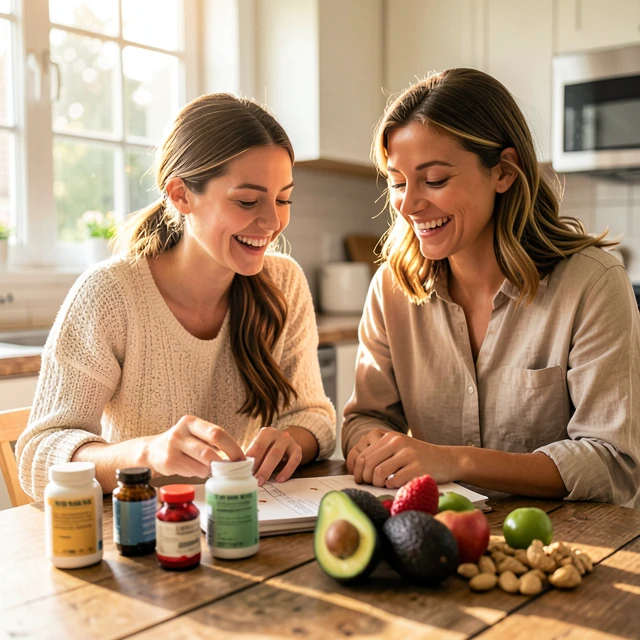
Why Consider Supplements for Fertility?
Fertility challenges affect about 1 in 6 couples. Factors like age, hormone balance, and oxidative stress play roles. Safe supplements target these areas without replacing medical advice or fertility treatments and diet plans.
From my perspective working with many couples, starting with basics like a good prenatal vitamin often makes the biggest difference. Adding targeted ones comes next, but only after checking for deficiencies.
Top Safe Supplements for Women
-
Folic Acid (Folate): Every woman trying to conceive should take at least 400 mcg daily. It prevents neural tube defects and supports ovulation. ASRM recommends it strongly.
-
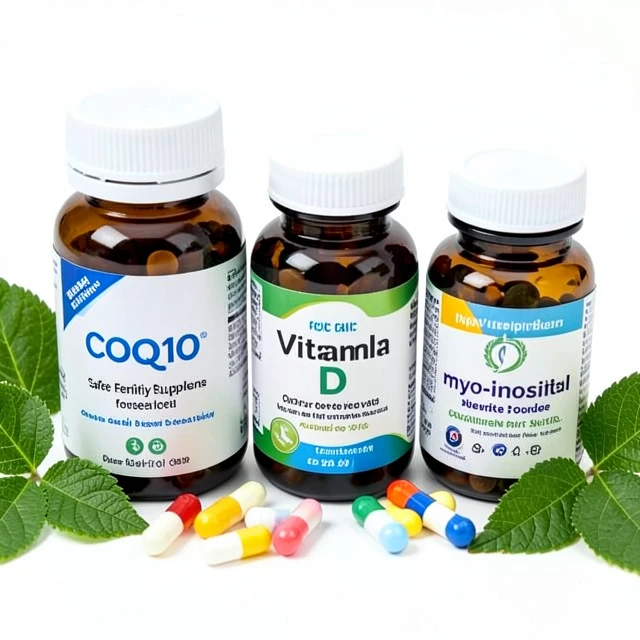
CoQ10: This antioxidant improves egg quality, especially for women over 35 or with PCOS. Studies show better ovarian response and live birth rates in IVF.
-
Typical dose: 200-600 mg daily.
-
Vitamin D: Deficiency links to lower pregnancy rates. Supplement if levels are low—aim for 1,000-2,000 IU.
-
Myo-Inositol: Great for PCOS; it helps regulate cycles and improve egg quality.
Other options like omega-3s reduce inflammation and support hormone balance.
Safe Supplements for Men
Men's fertility matters too—sperm health improves with:
- CoQ10: Boosts motility and count.
- Zinc and Selenium: Support testosterone and sperm production.
- Vitamin C and E: Antioxidants protect sperm from damage.
Recent trials show mixed results on broad antioxidants, so focus on proven ones and avoid megadoses.
Nutrition Tips for Boosting Fertility
Diet forms the foundation. A Mediterranean-style approach—rich in fruits, veggies, whole grains, lean proteins, and healthy fats—lowers ovulatory infertility risk.
Key tips: - Eat plenty of antioxidants: Berries, nuts, spinach fight oxidative stress. - Choose healthy fats: Avocados, olive oil, fatty fish (low-mercury) for omega-3s. - Limit processed foods, trans fats, and sugary drinks. - Include full-fat dairy in moderation—linked to better fertility in some studies. - Stay hydrated and aim for balanced meals to stabilize blood sugar.
When paired with fertility treatments and diet, these changes enhance outcomes. One couple I know switched to more plant-based proteins and saw regular cycles return.
| Food Group | Fertility Benefits | Examples |
|---|---|---|
| Antioxidants | Protect eggs/sperm | Berries, tomatoes, nuts |
| Omega-3s | Reduce inflammation | Salmon, walnuts, flaxseeds |
| Whole Grains | Stable hormones | Oats, quinoa, brown rice |
| Leafy Greens | Folate boost | Spinach, kale |
| Healthy Proteins | Hormone support | Eggs, beans, lean poultry |
How Stress Impacts Fertility: Tips for Management
Stress doesn't directly cause infertility, but chronic levels raise cortisol, disrupting hormones and ovulation. It can shorten the luteal phase or reduce intimacy.
Practical tips: - Practice daily mindfulness or deep breathing—10 minutes helps lower cortisol. - Exercise moderately: Walking or yoga improves mood without over-stressing the body. - Prioritize sleep: 7-9 hours nightly supports hormone regulation. - Connect with support: Join groups or talk openly—isolating worsens stress. - Set boundaries: Limit treatment talk to specific times to protect your relationship.
Many couples find that managing stress makes the journey more bearable and may indirectly aid conception.

Overcoming Infertility: A Couple’s Guide
Approach this as a team. Track cycles together, share doctor visits, and celebrate small wins. One partner shared: 'We stopped seeing it as a failure and started viewing it as a shared health project. Supplements, better eating, and stress relief brought us closer—even before pregnancy.'
Consult specialists if needed—fertility treatments and diet often work best combined. Stay patient; many succeed after lifestyle tweaks.
In summary, focus on Supplements for Fertility: Safe Choices like folic acid, CoQ10, and vitamin D, while embracing Nutrition Tips for Boosting Fertility and stress management. These steps empower your body and mind. Consult professionals for personalized plans—your journey matters.