Understanding Fertility Treatments: A Comprehensive Guide
March 7, 2026, 6:41 a.m.
Facing challenges in starting or growing your family can feel overwhelming. Understanding Fertility Treatments: A Comprehensive Guide helps you navigate the options, from simple medications to advanced procedures like IVF. Millions of people turn to these treatments each year, and many build the families they dream of. This guide explains the main options, success rates, and ways to care for your emotional health along the way.

What Are Fertility Treatments?
Fertility treatments help people conceive when natural attempts do not work. Doctors often start with basic steps and move to more advanced ones if needed. A reproductive endocrinologist specializes in these issues. They diagnose problems and create personalized plans.
Many start by searching for the best reproductive endocrinologist near me to get expert care close to home. Look for board-certified specialists with good reviews, high success rates, and a caring approach.
Common Types of Fertility Treatments
Here are the main options:
- Medications: Oral drugs like Clomid or letrozole help women ovulate. Injections stimulate more eggs.
- Intrauterine Insemination (IUI): Doctors place washed sperm directly into the uterus. Often combined with medications.
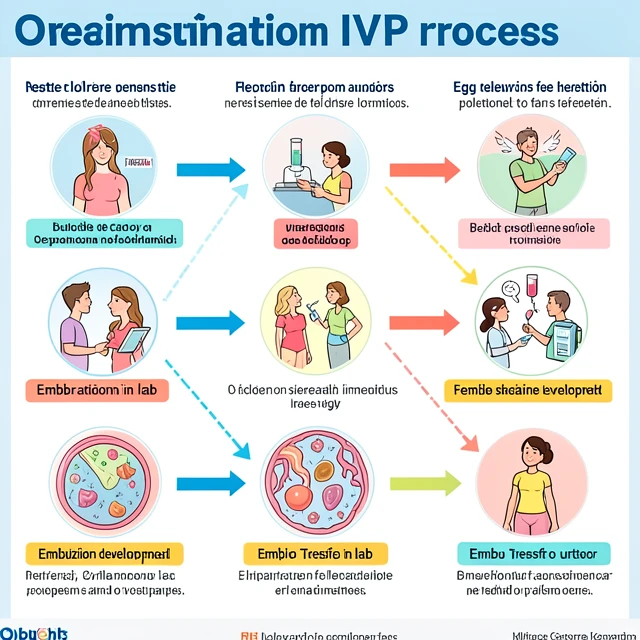
- In Vitro Fertilization (IVF): Eggs are retrieved, fertilized in a lab, and embryos transferred to the uterus.
Other options include donor eggs, sperm, or surrogacy for specific cases.
Fertility Medications Explained
Many treatments begin with medications. Clomiphene (Clomid) blocks estrogen to boost follicle-stimulating hormone (FSH). Letrozole works similarly and often has fewer side effects. Gonadotropins are injections that directly stimulate the ovaries.
These meds increase ovulation chances. Side effects can include hot flashes, mood swings, or bloating. Always follow your doctor's instructions.
IUI: A Less Invasive Option
In IUI, sperm is prepared and inserted during ovulation. Success rates per cycle range from 10-20% for women under 35, lower with age. It suits mild male factor issues or unexplained infertility. Multiple cycles are common.
IVF: The Gold Standard for Many
IVF involves stimulating ovaries, retrieving eggs, fertilizing them, and transferring embryos. Recent data shows live birth rates around 45-55% per cycle for women under 35, dropping with age. Frozen embryo transfers often perform better.
Advanced techniques like ICSI help with male infertility, and genetic screening improves outcomes.
Success Rates: What to Expect
Success varies by age, cause of infertility, and treatment. For women under 35:
- IUI: 10-20% per cycle
- IVF: 40-55% per cycle
Over 40, rates drop significantly. Cumulative success improves over multiple cycles. Check sources like the CDC or SART for clinic-specific data.
Navigating Emotional Wellness During Infertility
Infertility brings stress, grief, and anxiety. Many feel isolated or pressured. Navigating Emotional Wellness During Infertility is key to staying strong.
Try these tips: - Talk openly with your partner. - Join support groups. - Practice mindfulness or yoga. - Seek counseling from specialists in reproductive mental health.
Self-care, like exercise and hobbies, helps too. Remember, your feelings are valid.

Finding the Right Specialist
Search for the best reproductive endocrinologist near me using sites like SART.org or Healthgrades. Ask about success rates, approach to care, and support services. A good reproductive endocrinologist listens and explains clearly.
Bring questions to your first visit. Track your cycle and past tests to help them.
Lifestyle Tips to Boost Fertility
While treatments help, healthy habits matter: - Eat balanced meals rich in fruits, veggies, and whole grains. - Maintain a healthy weight. - Avoid smoking and limit alcohol. - Manage stress.
These steps support any fertility treatment plan.
In summary, Understanding Fertility Treatments: A Comprehensive Guide shows many paths forward. From medications to IVF, options exist for different needs. Pair medical steps with emotional care for the best journey. Consult a specialist to find what fits you. Hope and support are always available.