The IVF Process: A Step-by-Step Guide
March 7, 2026, 6:39 a.m.
Overview
The IVF Process: A Step-by-Step Guide offers hope to many facing infertility. This assisted reproductive technology helps people build families when natural conception proves challenging. IVF involves stimulating ovaries, retrieving eggs, fertilizing them in a lab, and transferring embryos to the uterus. Success varies, but understanding each step empowers you.
Many couples and individuals turn to IVF after other treatments fail. It addresses issues like blocked tubes, low sperm count, endometriosis, or unexplained infertility. The process demands patience, as one full cycle often spans 4-6 weeks, sometimes longer with preparation.
Initial Consultation and Testing
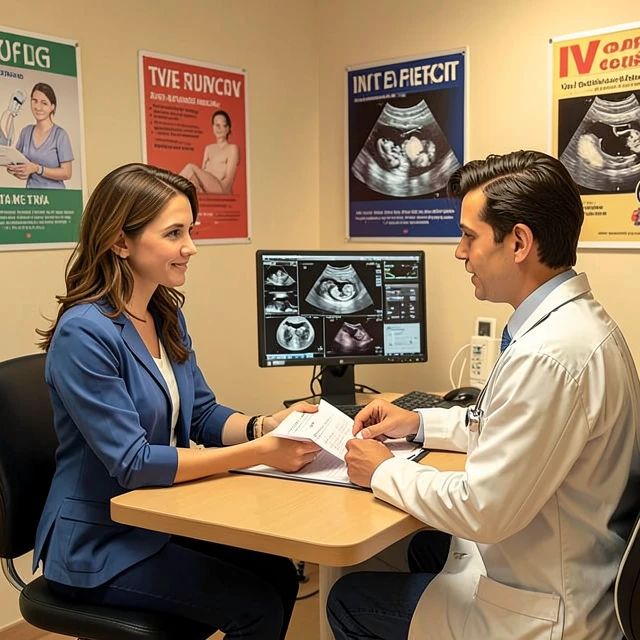
Your journey starts with a thorough consultation at a fertility clinic. Doctors review medical history, discuss goals, and order tests.
These include blood work for hormone levels, ultrasounds to check ovaries and uterus, and semen analysis for male partners. Some need genetic screening or hysteroscopy.
This phase builds trust. Many feel overwhelmed at first, but clear explanations reduce anxiety. Knowledge turns fear into preparation.
Ovarian Stimulation
Doctors prescribe hormone injections to stimulate ovaries, producing multiple eggs instead of one.
You take FSH and LH medications for 8-14 days. Monitoring involves frequent ultrasounds and blood tests to track follicle growth and adjust doses.
A 'trigger shot' (hCG or similar) matures eggs finally. This step feels intense—daily shots, mood swings, bloating—but it's crucial for better odds.
According to the Mayo Clinic's overview of in vitro fertilization, this controlled stimulation boosts egg yield safely.
Egg Retrieval
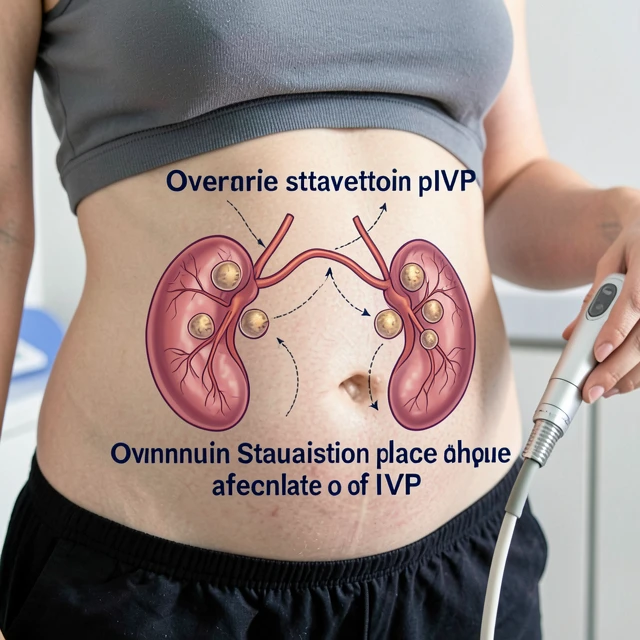
About 34-36 hours after the trigger, egg retrieval happens. Under sedation, a doctor uses ultrasound-guided needle through the vagina to aspirate fluid from follicles.
The quick outpatient procedure (20-30 minutes) causes mild cramping afterward. Eggs go to the lab immediately.
Partners provide sperm that day (or use frozen/donor). Many describe relief after retrieval—first major milestone passed.
Fertilization in the Lab
Embryologists examine eggs for maturity. Fertilization occurs two ways:
- Conventional: Sperm mixes with eggs.
- ICSI: Single sperm injects directly into egg—helpful for male-factor infertility.
Fertilization checks happen next day. Not all eggs fertilize, but quality ones develop into embryos.
Embryo Culture and Development
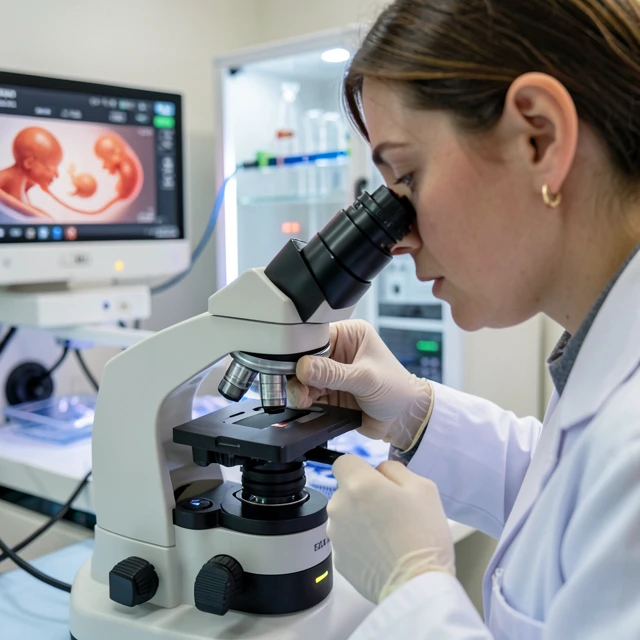
Embryos grow in incubators 3-5 days. Day 3 (cleavage stage) or Day 5 (blastocyst) transfers common—blastocysts often indicate stronger potential.
Some choose preimplantation genetic testing (PGT) to screen for chromosomal issues.
Embryologists grade embryos. You may freeze extras for future use.
Embryo Transfer
The Embryo Transfer is a simple procedure—no anesthesia needed usually.
A thin catheter places one or more embryos into uterus under ultrasound guidance. It takes minutes.
Rest follows, though most resume normal activities soon. The two-week wait begins—nerve-wracking but hopeful.
Many clinics favor single embryo transfer to reduce risks.
Embryo transfer and multiple pregnancies connect closely. Transferring multiple embryos raises twin or higher-order chances, increasing complications.
Studies show single embryo transfer lowers multiple pregnancies risks while maintaining good success for many. The American Society for Reproductive Medicine (ASRM) fact sheet on assisted reproductive technologies emphasizes this balance.
Risks of multiples include preterm birth, low birth weight, preeclampsia. IVF itself carries some risks like ovarian hyperstimulation, but modern protocols minimize them.
From patient stories, those opting for single transfers often appreciate healthier pregnancies, even if it means another cycle.
The Two-Week Wait and Pregnancy Test
After transfer, progesterone supports the uterine lining. You avoid heavy activity but live normally.
A blood test around day 10-14 checks hCG. Positive? Early ultrasound follows.
Negative? Discuss next steps—fresh cycle or frozen transfer.
Emotional ups and downs mark this period. Support groups help.
Success Rates and Considerations
IVF success depends on age, diagnosis, clinic. Younger patients often see higher rates.
Multiple cycles sometimes needed. Frozen transfers can improve outcomes.
Costs, insurance, emotional toll matter. Many find it worthwhile.
IVF transforms lives. After years of infertility, holding a baby makes every step worth it.
This guide to The IVF Process: A Step-by-Step Guide equips you with knowledge. Consult a specialist for personalized advice.
IVF continues advancing, offering hope to those facing infertility.