Nutrition Tips to Boost Fertility Naturally: Your Guide to Better Reproductive Health
Feb. 22, 2026, 6:38 a.m.
Struggling to conceive can feel overwhelming, but small changes in what you eat make a big difference. These nutrition tips to boost fertility naturally focus on real, evidence-based foods and habits that support reproductive health for both partners. While no diet guarantees pregnancy, a nutrient-rich approach often improves chances and overall well-being. Many couples see benefits before turning to options like infertility treatments.
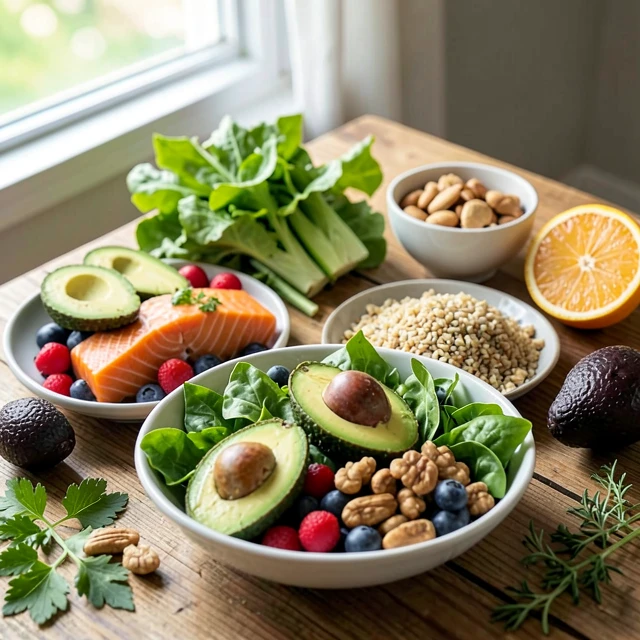
Why Nutrition Matters for Fertility
Your body needs key nutrients to produce healthy eggs and sperm, balance hormones, and create a welcoming environment for conception. Studies show diets high in antioxidants, healthy fats, and whole foods link to better fertility outcomes. For women, this means more regular ovulation. For men, it supports stronger sperm count and motility.
The Mediterranean diet often comes up in research as a top choice. It emphasizes fruits, vegetables, whole grains, lean proteins, and healthy fats—foods that reduce inflammation and support hormone health.
Key Nutrients to Focus On
Here are the most important ones backed by science:
- Folate/Folic Acid: Helps with ovulation and prevents issues in early pregnancy. Aim for leafy greens, lentils, and fortified foods.
- Omega-3 Fatty Acids: Reduce inflammation and improve egg/sperm quality. Find them in fatty fish like salmon.
- Antioxidants (Vitamins C, E, etc.): Protect cells from damage. Berries and nuts pack a punch.
- Zinc and Selenium: Boost sperm health and hormone production. Oysters, nuts, and seeds are great sources.
- Vitamin D: Supports overall reproductive function—many people lack it, so check levels.
Best Foods to Eat for Fertility
Build meals around these fertility superfoods:
- Salmon and other fatty fish — Loaded with omega-3s for hormone regulation.
- Berries (blueberries, strawberries) — High in antioxidants to fight oxidative stress.
- Leafy greens (spinach, kale) — Rich in folate and iron.
- Walnuts — Improve sperm motility and ovulation.
- Avocados — Provide healthy monounsaturated fats.
- Lentils and beans — Plant-based protein plus fiber for blood sugar stability.
- Citrus fruits — Vitamin C boosts sperm health.
- Full-fat dairy (in moderation) — Linked to better ovulation in some studies.
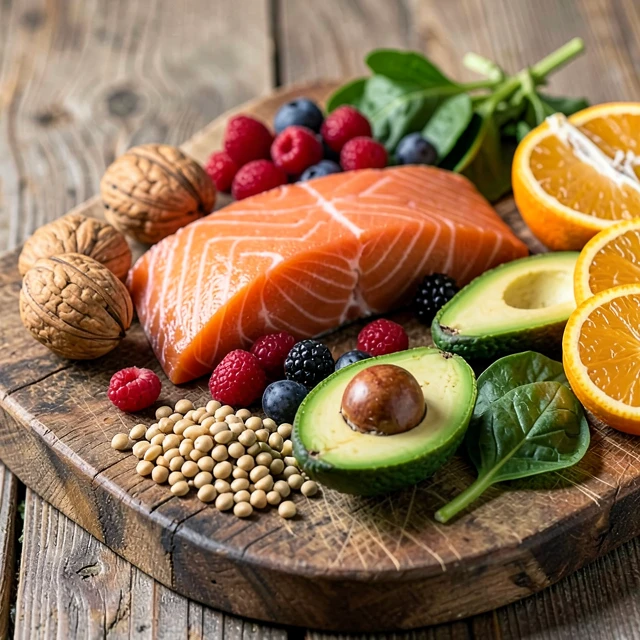
Try starting your day with a smoothie: Greek yogurt, berries, spinach, and a handful of walnuts. For lunch, grill salmon with quinoa and a big salad. These simple swaps add up.
Both partners benefit—men see better sperm parameters with more fruits, veggies, and nuts, while women gain from balanced carbs and proteins that aid ovulation.
Foods to Limit or Avoid
Cut back on these to support your efforts:
- Trans fats (fried foods, processed snacks)
- Added sugars and refined carbs
- Excessive caffeine (stick to under 200mg/day)
- Alcohol
These can increase inflammation or disrupt hormones.
Lifestyle Tips That Pair with Nutrition
Eat a big breakfast to stabilize blood sugar. Stay hydrated. Maintain a healthy weight—both under and overweight affect fertility. Add moderate exercise, manage stress, and get enough sleep.
Many couples try these changes for 3-6 months. If conception doesn't happen, consult a doctor. Infertility affects many, and early checks help.

Understanding the IVF Process
When natural efforts aren't enough, assisted options step in. Understanding the IVF process helps demystify it. IVF involves stimulating ovaries to produce multiple eggs, retrieving them, fertilizing with sperm in a lab, and transferring embryos to the uterus. It takes weeks but offers hope for many facing infertility.
Exploring Fertility Treatments
Couples have choices among the best fertility treatments for couples. These include IUI (intrauterine insemination) for milder issues, or fertility treatment like IVF for more complex cases. Medications, lifestyle tweaks, and sometimes surgery help too. A specialist tailors the plan.
Nutrition plays a role even during treatments—healthy eating supports better outcomes.
Final Thoughts
Boosting fertility naturally through food empowers you. Focus on whole, nutrient-dense meals, and give your body time. Track cycles, communicate with your partner, and seek help when needed. Many journeys include both natural steps and medical support—both lead to the same beautiful goal.