Exploring American Society for Reproductive Medicine: Fertility Resources
Feb. 15, 2026, 6:36 a.m.
The American Society for Reproductive Medicine: Fertility Resources - https://www.asrm.org stands as a leading authority in reproductive health. This organization offers trusted guidance, education, and support for those facing infertility challenges. Through its patient-focused site ReproductiveFacts.org, ASRM delivers clear information on Fertility Treatment options like IVF, along with holistic approaches to fertility treatment.
Many people experience the emotional weight of infertility. It affects about 1 in 5 married women aged 15-49 in the United States who have no prior births and struggle to conceive after a year of trying, according to the Centers for Disease Control and Prevention (CDC). The CDC's infertility statistics page provides detailed national data on this issue.

The American Society for Reproductive Medicine (ASRM) began in 1944 and has grown into a multidisciplinary group. It advances science, practice, and ethical standards in reproductive medicine. ASRM supports doctors, researchers, and patients through education, research, and advocacy.
What ASRM Offers for Fertility Resources
The main patient resource hub is ReproductiveFacts.org, linked from https://www.asrm.org. This site includes fact sheets, infographics, videos, and FAQs on infertility causes, diagnosis, and treatments.
Key resources cover: - Infertility overview booklets explaining common causes - Details on optimizing natural fertility through lifestyle changes - Information on assisted reproductive technologies like IUI and IVF - Guidance on conditions such as PCOS, endometriosis, and age-related fertility decline
ASRM also provides a "Find a Healthcare Professional" tool to locate specialists in infertility diagnosis, IVF, and fertility preservation.
Understanding Infertility and Treatment Options
Infertility often stems from issues in ovulation, sperm quality, blocked tubes, or unexplained factors. About one-third of cases involve female factors, one-third male factors, and one-third both or unexplained, as noted by the Eunice Kennedy Shriver National Institute of Child Health and Human Development (NICHD). Explore more on the NICHD infertility overview.
Fertility Treatment starts with basic evaluations. Doctors check medical history, run tests, and suggest lifestyle tweaks. Many couples conceive with simple changes or medications.
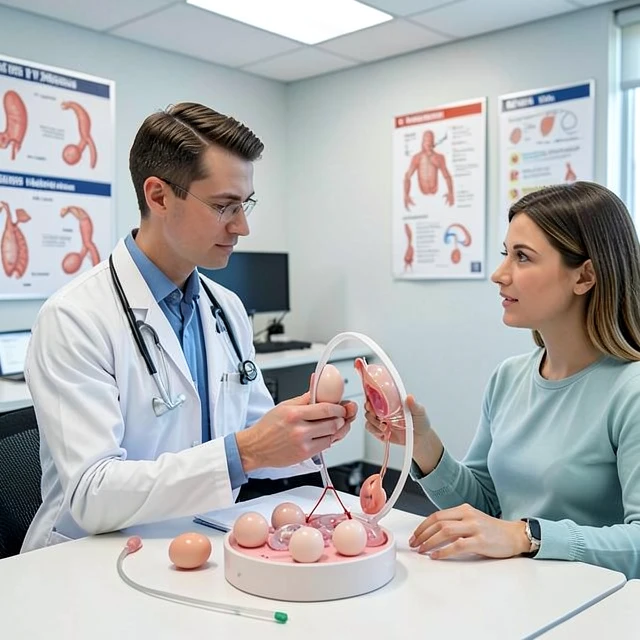
IVF: A Common Advanced Option
In vitro fertilization (IVF) helps when other methods fall short. Eggs are retrieved, fertilized in a lab, and embryos transfer to the uterus. Success rates vary by age and health, but IVF has helped millions build families.
ASRM guidelines ensure safe, ethical IVF practices. Their Practice Committee documents offer evidence-based advice on procedures.
Holistic Approaches to Fertility Treatment
Many seek holistic approaches to fertility treatment alongside medical care. These focus on the whole person—body, mind, and emotions.
Lifestyle plays a big role. Maintaining a healthy weight, eating balanced meals, exercising moderately, and managing stress improve chances. ASRM's committee opinion on optimizing natural fertility highlights timing intercourse during the fertile window and using ovulation tracking.
Complementary practices like acupuncture, yoga, and meditation appear in studies. Some patients report benefits, though strong evidence varies. Always discuss these with your doctor to avoid conflicts with treatments.
One study found many infertility patients use integrative methods, including diet changes and mind-body practices. For details, see research from the National Institutes of Health on integrative medicine in infertility.
Holistic steps include: - Eating nutrient-rich foods with antioxidants - Reducing caffeine and alcohol - Practicing stress-relief techniques like mindfulness - Getting enough sleep
These complement Fertility Treatment and may enhance outcomes.

Personal Insights on the Journey
Couples often feel isolated at first. One person shared how ASRM resources helped them understand options after months of trying. Reading fact sheets eased anxiety and sparked informed talks with doctors.
Another found hope in combining IVF with yoga. It reduced stress during cycles. Small steps build resilience.
Support groups and counseling help process emotions. ASRM connects people to resources for mental health.
Why ASRM Stands Out
ASRM bases information on science and ethics. Their resources come from experts and stay updated. This builds trust for patients navigating complex choices.
The organization advocates for access to care, including IVF protection and insurance coverage improvements.
Wrapping Up
The American Society for Reproductive Medicine: Fertility Resources - https://www.asrm.org empowers people with reliable knowledge on infertility and Fertility Treatment. From basic tips to advanced options like IVF, and holistic approaches to fertility treatment, ASRM supports informed decisions. Start at their site for guidance tailored to your needs.
If you're facing infertility, reach out to a specialist. Many paths lead to parenthood.