Fertility Preservation Options for Women Over 40: Your Guide to Hope and Choices
Feb. 15, 2026, 6:36 a.m.
Many women over 40 find themselves rethinking family planning. Whether due to career focus, finding the right partner later, or health reasons, fertility naturally declines with age. The good news? Fertility Preservation Options for Women Over 40 offer real paths forward. From egg freezing to lifestyle changes, these choices empower you to take control. This guide breaks it down simply and honestly.

Why Fertility Changes After 40
As women age, egg quantity and quality drop. By 40, many eggs have chromosomal issues, making conception harder naturally or even with help. Studies from places like Johns Hopkins show that by age 43, about 90% of eggs may not support pregnancy. But don't lose hope—options exist, and many women succeed.
I remember a friend who froze her eggs at 38 and later had a healthy baby at 42 using them. Stories like hers show that planning ahead matters, but even starting now can help.
Main Fertility Preservation Options
Here are the key Fertility Preservation Options for Women Over 40:
- Egg Freezing (Oocyte Cryopreservation): You stimulate ovaries, retrieve eggs, and freeze them for later use in IVF.
- Embryo Freezing: Similar, but eggs are fertilized first (needs sperm or donor).
- Ovarian Tissue Freezing: Experimental; doctors remove and freeze ovary tissue for later transplant.
- IVF with Own Eggs: Direct treatment, often with tweaks like mini-IVF or supplements.
- Donor Eggs: Uses younger donor eggs for higher success (around 50%+ live birth rates).
Egg freezing stands out for single women or those delaying. But success drops after 40—experts often recommend it before 38-40 for best results. For women over 40, clinics may consider it case-by-case, with lower odds but still possible wins.
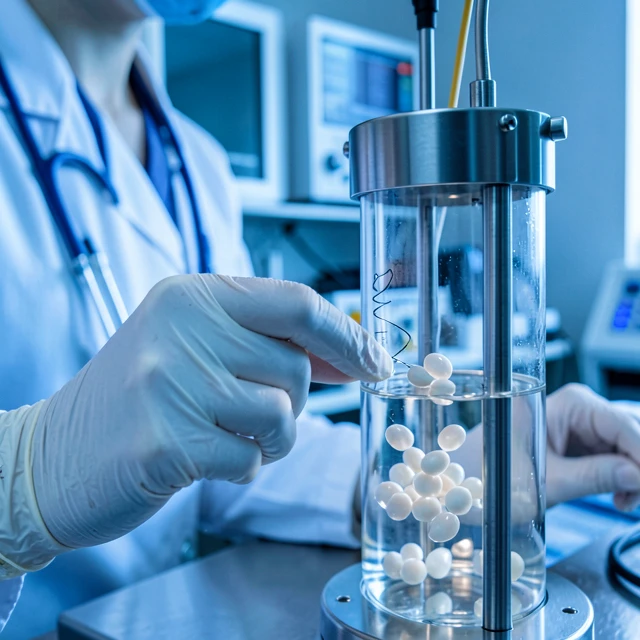
Egg Freezing 101: What Women Over 40 Should Know
Egg Freezing 101: What Women Over 40 Should Know starts with understanding the process. It takes 2-4 weeks: hormone shots stimulate multiple eggs, then a quick procedure retrieves them under sedation. Costs range from $6,000-$15,000 per cycle, plus storage fees.
Success? Data shows women freezing before 38 have 70%+ chance of a baby with enough eggs (20+). Over 40, rates fall—often 5-17% live birth per cycle, depending on egg number and quality. Risks include ovarian hyperstimulation (rare) or no guarantee of pregnancy.
Many women pair it with lifestyle boosts for better outcomes.
Nutrition and Fertility: What You Need to Know
Diet plays a huge role. Nutrition and Fertility: What You Need to Know focuses on anti-inflammatory, antioxidant-rich eating to support egg health.
Key tips: - Eat Mediterranean-style: veggies, fruits, whole grains, healthy fats. - Load up on omega-3s (salmon, walnuts, flaxseeds) to reduce inflammation. - Get folate, iron, vitamin D, and CoQ10 from foods or supplements. - Avoid processed foods, excess sugar, and trans fats.
A high-fat, low-carb approach may help balance hormones. Many women see cycle improvements after 3-6 months of clean eating.
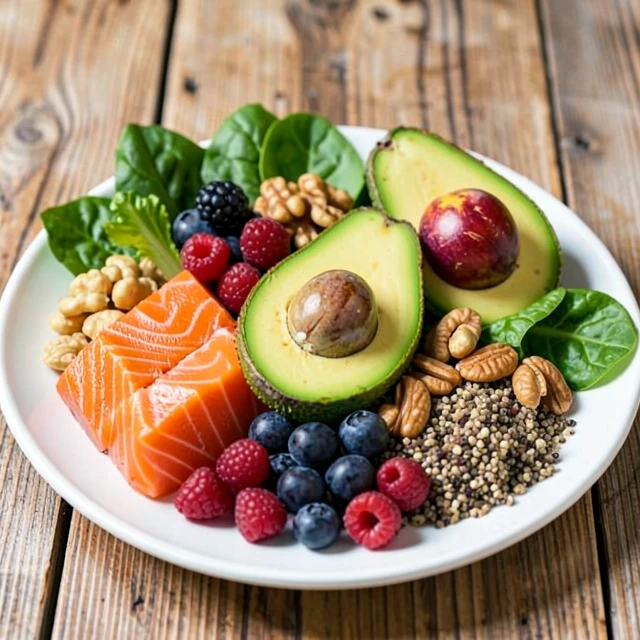
Top Fertility-Boosting Recipes
Try these simple Top Fertility-Boosting Recipes to nourish your body:
- Berry Oat Smoothie: Blend oats, mixed berries, spinach, almond milk, chia seeds, and Greek yogurt. High in antioxidants and fiber.
- Walnut-Crusted Salmon: Coat salmon in crushed walnuts, rosemary, bake. Serve with quinoa and broccoli—omega-3s galore.
- Avocado Egg Salad: Mash avocados with boiled eggs, add tomatoes, lemon, and greens. Great for healthy fats and protein.
These meals taste good and pack fertility-friendly nutrients. Consistency matters more than perfection.
Other Actionable Steps
Beyond freezing or diet: - Exercise moderately (30 min most days). - Manage stress with yoga or meditation. - Get enough sleep (7-9 hours). - Consider supplements like CoQ10 or DHEA (talk to a doctor first).
Consult a fertility specialist early—time is key over 40.
Many women feel empowered taking these steps. One patient shared how shifting to nutrient-dense foods and pursuing mini-IVF gave her the baby she dreamed of at 43.
Final Thoughts
Fertility Preservation Options for Women Over 40 give real choices—from egg freezing to nutrition tweaks. While age brings challenges, advances and lifestyle changes offer hope. Talk to a specialist, focus on what you can control, and stay positive. Your journey is unique, and many paths lead to motherhood.