The Role of Nutrition in Fertility: What You Need to Know
Feb. 9, 2026, 6:46 a.m.
Quick Overview
Nutrition plays a key part in fertility. Eating the right foods can boost egg and sperm health, balance hormones, and raise your chances of conception. While diet alone may not solve every issue, it forms a strong foundation for reproductive health. This guide covers what really works based on solid evidence.
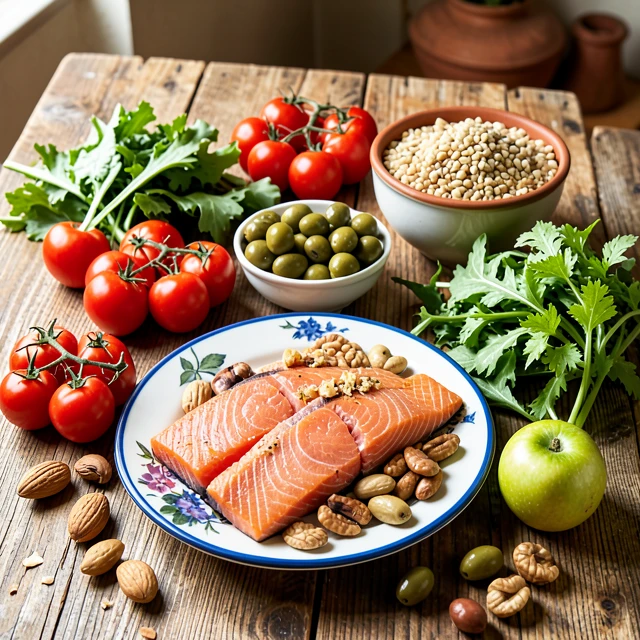
Many couples face challenges when trying to start a family. The Emotional Journey of Infertility can feel overwhelming. You might experience sadness, frustration, or even guilt. These feelings are normal. The uncertainty month after month takes a toll on mental health. Stress and anxiety often rise, and relationships can strain under the pressure.
Support makes a big difference. Talking openly with your partner helps. Joining support groups or seeing a counselor provides comfort. Remember, you are not alone on this path. Taking small steps to care for your emotional well-being keeps you stronger.
How Nutrition Supports Fertility
What you eat affects hormone levels, ovulation, and sperm quality. Studies show that healthy eating patterns improve outcomes. A Mediterranean-style diet stands out in research. It focuses on whole foods, healthy fats, and plenty of plants.
Key benefits include: - Better hormone balance - Improved egg and sperm quality - Higher chances of natural conception - Better results with fertility treatments
Avoid diets high in processed foods, added sugars, and trans fats. These can harm fertility. Instead, choose nutrient-dense options. Focus on balance rather than strict rules. Small changes add up over time.
Best Foods to Boost Fertility
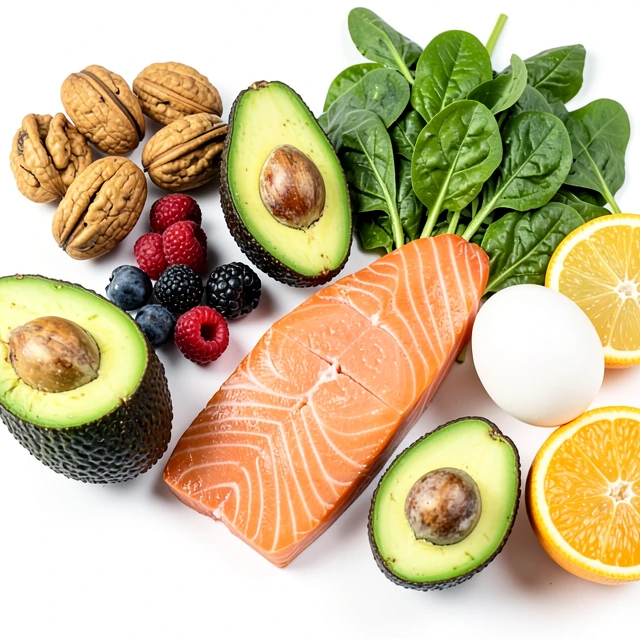
Certain foods provide key nutrients that support reproductive health. Here are top choices for both men and women:
- Leafy greens (spinach, kale): High in folate for cell division and egg/sperm health
- Berries (blueberries, strawberries): Packed with antioxidants to protect cells
- Nuts (especially walnuts): Rich in omega-3s and vitamin E for sperm motility and ovulation
- Fatty fish (salmon, sardines): Supply omega-3 fatty acids for hormone production
- Avocados and olive oil: Healthy monounsaturated fats aid hormone synthesis
- Whole grains and legumes: Provide fiber and plant-based protein for steady energy
- Citrus fruits: Full of vitamin C to improve iron absorption and support immunity
Aim for variety. Fill half your plate with fruits and veggies at every meal.
| Nutrient | Benefits for Fertility | Food Sources |
|---|---|---|
| Folate | Supports DNA synthesis, reduces ovulatory issues | Leafy greens, beans, citrus |
| Omega-3s | Improves egg quality, sperm motility | Fatty fish, walnuts, flaxseeds |
| Zinc | Boosts testosterone, egg development | Nuts, seeds, lean meats |
| Iron | Prevents anemia affecting ovulation | Beans, spinach, dried fruits |
| Vitamin D | Linked to better IVF outcomes | Sunlight, fortified foods, fatty fish |
Include these regularly for the best impact.
For men, nuts show strong benefits. Research finds that eating nuts daily improves sperm parameters. Women gain from full-fat dairy in moderation and plant proteins over excessive red meat.
Stay hydrated and limit caffeine and alcohol. These habits support overall reproductive wellness.

When Nutrition Needs Extra Help: Ovulation Inducers
Sometimes diet and lifestyle changes are not enough. Conditions like PCOS can make ovulation irregular. This is where Ovulation Inducers or fertility drugs come in.
Common options include: - Clomid (clomiphene citrate): Tricks the body into producing more follicle-stimulating hormone - Letrozole: Often used for PCOS, may have fewer side effects on the uterine lining
These best ovulation inducers for successful pregnancy help many women ovulate regularly. Doctors monitor cycles closely. Side effects can include hot flashes, bloating, or headaches. Discuss risks and benefits with a specialist.
These medications work best alongside good nutrition. A healthy diet supports better responses to treatment.
Practical Tips to Get Started
Start small. Add one new fertility-friendly food each week. Track your cycle and note energy levels. Maintain a healthy weight—both underweight and obesity affect fertility.
Consider a prenatal vitamin with folic acid. Many people lack vitamin D or iron, so check levels with your doctor.
Patience matters. Fertility takes time. Celebrate non-food wins like better sleep or reduced stress.
Final Thoughts
Nutrition forms a core part of fertility health. A balanced, whole-foods approach like the Mediterranean diet offers real benefits. Combine this with emotional support and medical guidance when needed.
You hold power in your daily choices. Focus on nourishing your body and mind. Many couples find success through these steps. Stay hopeful and keep moving forward.