Understanding the Costs and Benefits of Egg Freezing: A Complete Guide
Jan. 30, 2026, 6:50 a.m.
Quick Overview
Egg freezing, also known as oocyte cryopreservation, lets women preserve their eggs for future use. This option helps with fertility preservation when ready to start a family isn't now—whether due to career goals, finding the right partner, or medical reasons. It offers hope against age-related infertility, but comes with costs and no guarantees. Many see it as empowering, giving more control over reproductive timing.

What Is Egg Freezing and Why Do People Choose It?
Egg freezing involves stimulating the ovaries to produce multiple eggs, retrieving them, and freezing them using vitrification—a fast-freezing method that protects quality. Women often choose this for fertility preservation to pause the biological clock.
Many share stories of relief after deciding to freeze. One woman in her mid-30s said it reduced pressure from family questions and let her focus on her career without panic about time running out. It's especially helpful for those facing infertility risks from treatments like chemotherapy or conditions like endometriosis.
The process takes about 2-3 weeks per cycle: - Hormone injections to stimulate egg production - Monitoring via ultrasounds and blood tests - Egg retrieval under sedation - Freezing and storage
It's a big step, but most describe mild discomfort, like bloating, that passes quickly.
The Benefits of Egg Freezing
The main benefit is expanded choices. Freezing eggs younger preserves better quality, improving chances later. It helps combat age-related infertility, where egg quantity and quality drop after 35.
Many women feel empowered. It reduces anxiety about 'running out of time' and allows focus on personal goals. For those with medical needs, it's a lifeline to future biological children.
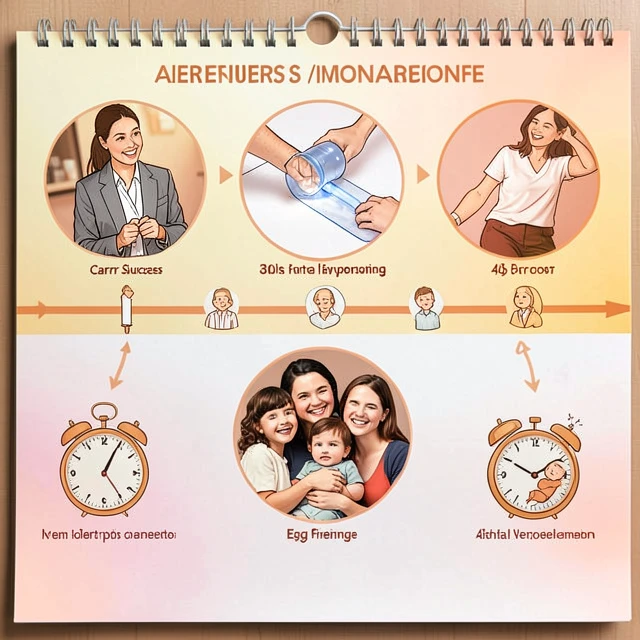
Success depends on age at freezing and eggs retrieved. Younger eggs lead to higher success. Studies show promising outcomes when done early.
According to the CDC's ART Success Rates, national data helps compare clinics, though egg freezing specifics vary. The American Society for Reproductive Medicine (ASRM) notes vitrification yields high survival rates (around 85-90%) and comparable results to fresh eggs in many cases.
Success rates of fertility preservation clinics differ, so research is key. Top clinics report strong thaw survival (over 90% in some studies) and live birth rates around 39-51% overall from frozen eggs, higher (up to 70% cumulative) with more eggs and younger age at freezing.
Understanding the Costs
Costs vary by location, clinic, and cycles needed. A single cycle often ranges from $10,000 to $15,000, including retrieval and freezing, plus medications ($2,000-$6,000). Annual storage adds $500-$1,000.
Many need 1-2 cycles for enough eggs (15-20+ recommended for good odds), pushing totals to $15,000-$30,000 or more.
| Cost Component | Typical Range |
|---|---|
| Egg Freezing Cycle (retrieval + freezing) | $8,000 - $15,000 |
| Medications | $2,000 - $6,000 |
| Annual Storage | $500 - $1,000 |
| Total for 1-2 Cycles | $10,000 - $30,000+ |
Insurance rarely covers elective freezing, though some employers do. Check your plan or explore financing.

Weighing the Pros and Cons
Pros include peace of mind, higher success with younger eggs, and flexibility in life planning. Many regret not doing it sooner.
Cons involve expense, hormone side effects, no guarantee of success, and low usage rates (around 10-20% return to use eggs). It's not a sure path to parenthood, but a tool against infertility risks.
Personal insight: Women who froze eggs often say the emotional lift outweighs costs. One shared, 'It gave me breathing room—I dated without desperation.' But approach realistically—consult fertility preservation clinics for tailored advice.
Is Egg Freezing Right for You?
Consider your age, goals, and health. Ideal candidates are under 38 with good ovarian reserve. Visit reputable fertility preservation clinics and review their data.
Talk to a specialist. They assess AMH levels and antral follicle count to estimate yield.
Final Thoughts
Egg freezing offers valuable options in fertility preservation, balancing costs with benefits like extended reproductive windows and reduced infertility worries. While not inexpensive or guaranteed, many find it worthwhile for control over their future. Research thoroughly, choose trusted clinics, and decide what aligns with your life.