Understanding Fertility Preservation Options: A Comprehensive Guide
Jan. 24, 2026, 6:48 a.m.
Overview
Fertility preservation gives people a way to protect their ability to have children later in life. Whether facing medical treatments or life choices that might cause infertility, options like sperm banking and egg freezing offer hope. This guide covers the basics, methods, and key decisions in understanding fertility preservation options.
Life throws curveballs. Maybe you're about to start cancer treatment, or perhaps you're focusing on your career and want kids down the road. Whatever the reason, fertility preservation steps in to help. It's all about saving your reproductive cells now for use later. Many people don't think about infertility until it hits, but planning ahead can make a big difference.
I remember talking to a friend who went through chemotherapy. He wished he had known about sperm banking sooner. Stories like his show why understanding fertility preservation options matters. Let's dive into what it means and why you might need it.
What Is Fertility Preservation?
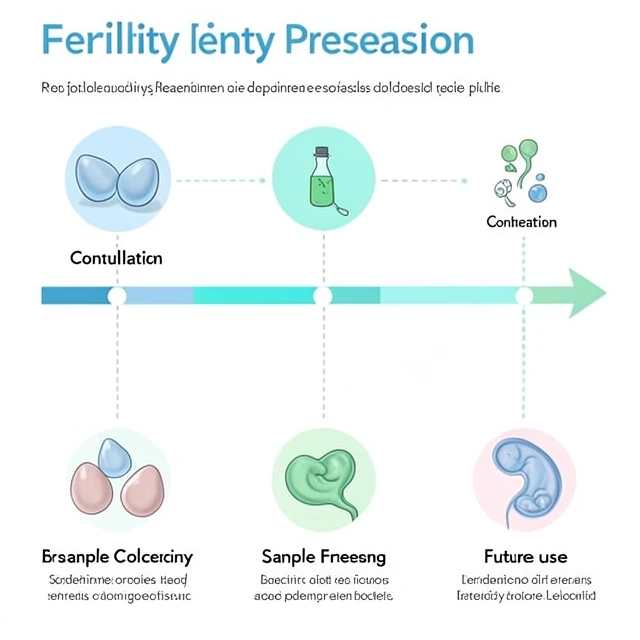
Fertility preservation means protecting your eggs, sperm, or embryos from damage. It's a smart move if treatments like chemotherapy, radiation, or surgery could harm your reproductive system. Even without health issues, some choose it to delay parenthood.
Infertility affects about 1 in 8 couples in the U.S., according to the CDC. That's a lot of people. Preservation methods freeze time on your fertility, giving you control over when to start a family.
Doctors recommend it for cancer patients, those with autoimmune diseases, or anyone at risk. Transgender individuals often use it before hormone therapy. It's not just for women—men have options too.

Why Consider Fertility Preservation?
Think about your future. If you're young and healthy, infertility might seem far off. But life changes fast. Cancer diagnoses, for example, often come without warning. Treatments save lives but can damage ovaries or testes.
Career-focused folks might delay kids until their 40s. By then, natural fertility drops. Women lose egg quality after 35, and men see sperm changes too. Preservation lets you beat the clock.
Personal story: A colleague of mine froze her eggs at 32. She said it lifted a huge weight off her shoulders. No more rushing into relationships just for kids. It gave her freedom.
Costs vary, but insurance sometimes covers it for medical reasons. Check with your provider. Organizations like Resolve offer support and info.
Options for Men: Sperm Banking
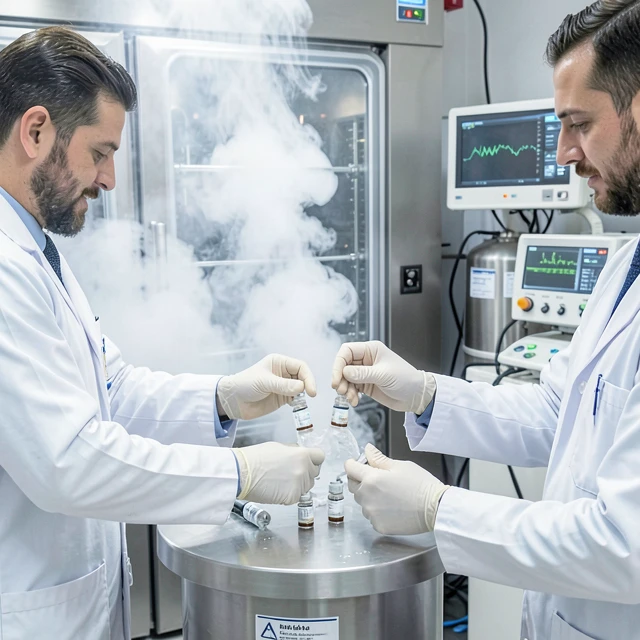
Sperm banking is a straightforward way for men to preserve fertility. You provide a sample through masturbation at a clinic. They freeze it in liquid nitrogen for years.
It's quick and non-invasive. Most men bank multiple samples for safety. Success rates are high—frozen sperm works well in IVF or artificial insemination.
But think about legal considerations in sperm banking. Who owns the samples if something happens to you? Set up directives for use after death or divorce. Laws vary by state, so consult a lawyer.
One man I know banked sperm before vasectomy. Later, he reversed his decision and used it to have twins. It changed his life.
Here's a quick list of pros and cons: - Pros: Easy process, high success, long storage. - Cons: Cost (around $500-$1,000 per year), possible low sperm count issues.
Clinics like California Cryobank provide detailed guides.
Options for Women: Egg Freezing and More
Women have more involved options. Egg freezing, or oocyte cryopreservation, extracts eggs from ovaries, freezes them, and stores them.
The process takes about two weeks. You take hormones to stimulate egg production, then doctors retrieve them under sedation. It's like the start of IVF.
Success depends on age—younger women have better chances. Frozen eggs can last decades. Later, thaw them, fertilize with sperm, and implant.
Embryo freezing is another choice if you have a partner. Fertilize eggs first, then freeze embryos. It's often more successful than eggs alone.
A friend shared her egg freezing journey. At 38, she worried about infertility. The procedure cost $10,000, but peace of mind was priceless. She hasn't used them yet but feels prepared.
Ovarian tissue freezing is experimental but promising for young girls or those who can't delay treatment.
Table of Women's Options: | Option | Process | Best For | |--------|---------|----------| | Egg Freezing | Hormone shots, egg retrieval, freeze | Single women delaying kids | | Embryo Freezing | Like IVF, freeze fertilized eggs | Couples | | Ovarian Tissue | Surgery to remove and freeze tissue | Pre-pubescent or urgent cases |
Legal and Ethical Considerations
Beyond medical steps, legal issues matter. In sperm banking, decide on sample use if you pass away. Some states allow posthumous conception, others don't.
For women, egg or embryo ownership in divorce can be tricky. Prenups or agreements help. Ethical questions arise too—like what happens to unused embryos?
Talk to experts. Groups like the American Society for Reproductive Medicine have resources on legal considerations in sperm banking and more.
One couple I heard about froze embryos before the husband's deployment. They set clear rules on use, avoiding future disputes.
Emotional and Practical Insights
Fertility preservation isn't just physical—it's emotional. Many feel anxiety about infertility. Support groups help.
Start by consulting a fertility specialist. Tests check your baseline. Then, weigh costs versus benefits.
Actionable tip: Track your cycle or sperm health early. Apps like Clue make it easy.
From my view, knowledge empowers. Understanding fertility preservation options turns fear into action.
Potential Risks and Success Rates
No procedure is risk-free. For women, hormone side effects include bloating or mood swings. Rare complications like ovarian hyperstimulation exist.
Men might face embarrassment during collection, but that's minor.
Success varies: Frozen sperm thaws well 90% of the time. Eggs from women under 35 have 40-50% chance per cycle for live birth.
Research from Fertility and Sterility journal backs these numbers.
Making the Decision
Weigh your situation. Talk to doctors, family, counselors. It's your body, your future.
A young cancer survivor told me preservation was her best choice. She beat the disease and later had a baby using frozen eggs.
Summary
Understanding fertility preservation options empowers you against infertility. From sperm banking with its legal considerations to egg freezing, choices abound. Act early for best results. Protect your dreams today.