The Impact of Lifestyle on Fertility: Enhance Your Fertility Naturally
Jan. 22, 2026, 7:03 a.m.
Overview
Lifestyle plays a big role in fertility for both men and women. Simple changes in diet, exercise, and habits can improve your odds of conceiving. This article explores key factors to help you on your journey.
Many couples face challenges when trying to start a family. You might wonder why it takes longer than expected. Often, the answer lies in everyday choices. The impact of lifestyle on fertility is real and powerful. From what you eat to how you manage stress, these elements shape your reproductive health.
Experts agree that healthy habits support hormone balance and overall wellness. For instance, maintaining a good weight helps regulate cycles in women and boosts sperm quality in men. Let's dive into the details.
The Role of Diet in Fertility: What to Eat and What to Avoid
Your diet fuels your body, including your reproductive system. Eating the right foods can enhance fertility naturally. Focus on nutrient-rich options that fight inflammation and balance hormones.
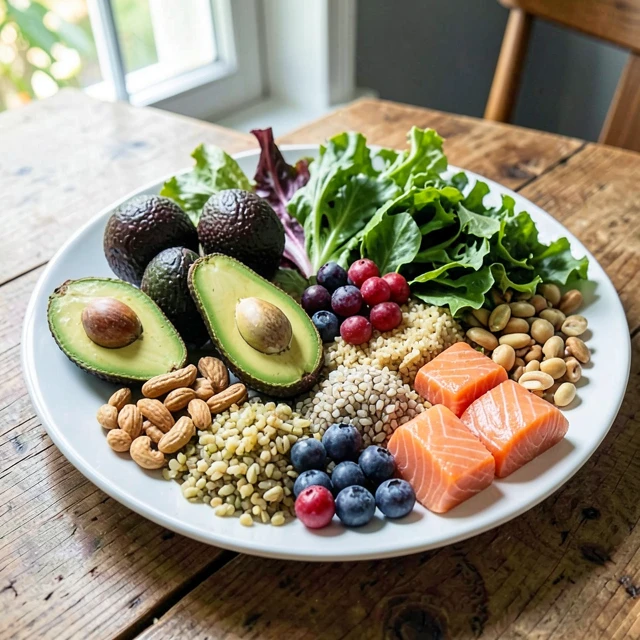
Start with plenty of fruits and vegetables. They provide antioxidants that protect eggs and sperm from damage. Berries, citrus fruits, and leafy greens are top picks. These foods help reduce oxidative stress, which can harm fertility.
Include healthy fats from avocados, nuts, seeds, and olive oil. These support hormone production. Omega-3 fatty acids, found in fatty fish like salmon, are especially helpful. They improve egg quality and sperm motility.
Choose whole grains over refined carbs. Oats, quinoa, and brown rice keep blood sugar stable, which aids ovulation. Lean proteins from beans, lentils, and poultry are better than red meat, which might lower fertility if eaten in excess.
Don't forget full-fat dairy. Studies show it may boost fertility compared to low-fat options. A small serving of yogurt or cheese daily could make a difference.
On the flip side, avoid trans fats in processed foods. They increase inflammation and disrupt hormones. Limit sugary drinks and snacks, as high sugar intake links to poorer fertility outcomes.
Cut back on caffeine and alcohol. While moderate amounts might be okay, heavy consumption can reduce your chances. Aim for less than 200 mg of caffeine daily—that's about one cup of coffee.
Here's a quick table of foods to embrace and avoid:
| What to Eat | What to Avoid |
|---|---|
| Fruits like berries and oranges | Sugary sodas and candies |
| Vegetables such as spinach and broccoli | Processed meats like bacon |
| Whole grains like oats and quinoa | Refined carbs like white bread |
| Healthy fats from nuts and fish | Trans fats in fried foods |
| Lean proteins from beans and eggs | Excessive red meat |
From my perspective, switching to this diet felt empowering. I noticed more energy and regular cycles after a few weeks. It's not about perfection, but consistent choices add up.
For more on diet's role, check out the Mayo Clinic's guide.
Exercise and Its Effects on Fertility
Moving your body regularly supports fertility. Moderate exercise helps maintain a healthy weight, which is key for hormone balance. Aim for 150 minutes of activity per week, like brisk walking or swimming.
Too much intense exercise can backfire, especially for women. It might disrupt cycles or lead to low body fat, which affects estrogen levels. Listen to your body and avoid extremes.
For men, exercise boosts testosterone and sperm quality. Strength training and cardio both help. Yoga is great for everyone—it reduces stress while improving flexibility.
I recall a friend who started yoga classes. She said it not only toned her body but also calmed her mind, making her fertility journey less stressful.

Managing Stress for Better Reproductive Health
Stress impacts fertility more than you might think. High levels raise cortisol, which can interfere with ovulation and sperm production. Find ways to unwind daily.
Try mindfulness or meditation. Even 10 minutes a day can lower stress. Deep breathing exercises are simple and effective. Journaling helps process emotions during this time.
Support from loved ones matters. Talk openly about your feelings. Some find therapy helpful for coping with fertility challenges.
In my experience, nature walks cleared my head. Being outdoors reminded me to stay patient and positive.
The Importance of Quality Sleep
Sleep regulates hormones like melatonin, which affects fertility. Aim for 7-9 hours nightly. Poor sleep disrupts cycles and lowers sperm count.
Create a routine: dim lights, avoid screens before bed. Keep your room cool and dark. Consistent sleep times help your body's clock.
Avoiding Harmful Substances
Quit smoking—it's linked to lower fertility and early menopause. Secondhand smoke counts too. Limit exposure to toxins in plastics and pesticides by choosing organic when possible.
Alcohol in moderation is key. Heavy drinking harms egg and sperm quality. Consider cutting it out while trying to conceive.
Addressing Tubal Infertility
Tubal infertility happens when fallopian tubes are blocked, often from infections or scarring. It affects about 20-30% of infertility cases.
Natural remedies for tubal infertility include anti-inflammatory foods like turmeric, which has curcumin to reduce swelling. Vitamin C boosts immunity and may help with inflammation.
Some try herbal remedies like dong quai, but evidence is limited. Always consult a doctor before trying these, as they're not proven to unblock tubes.
Lifestyle changes can support overall health, but medical options like surgery or IVF might be needed. For insights, see Cleveland Clinic's info on hydrosalpinx.

One woman I know focused on anti-inflammatory eating. She felt better, though she needed medical help too. It shows how lifestyle complements treatment.
Putting It All Together
Enhance your fertility naturally by combining these habits. Track your progress and be kind to yourself. Small steps lead to big changes.
Summary
In summary, the impact of lifestyle on fertility is profound. Adopt a balanced diet, exercise moderately, manage stress, sleep well, and avoid toxins. For tubal infertility, explore natural remedies cautiously alongside professional advice. These changes can improve your chances and overall health.