Planning for Parenthood Post-Cancer: Success Stories and Guidance
Jan. 21, 2026, 6:47 a.m.
Cancer changes lives in many ways, but it doesn't have to end dreams of parenthood. This article explores planning for parenthood post-cancer: success stories and guidance to help survivors build families. From fertility preservation before chemotherapy to overcoming infertility, we share real experiences and tips.
Understanding the Impact of Cancer on Fertility
Cancer treatments like chemotherapy often harm fertility. Many survivors face infertility risks. Doctors recommend discussing options early. Fertility preservation helps protect your chances of having children later.
Chemotherapy can damage eggs or sperm. Radiation might affect reproductive organs. Hormone therapies add more challenges. Yet, advances in medicine offer hope. Survivors now have tools to plan ahead.
What is Fertility Preservation?
Fertility preservation means saving eggs, sperm, or tissue before treatment. For women, options include egg freezing or embryo freezing. Men can bank sperm. These steps happen before chemotherapy starts.
The process takes about two weeks. It involves hormone shots and a quick procedure to collect eggs. Studies show it's safe and doesn't delay cancer treatment much. For example, research from the National Cancer Institute confirms fertility preservation before chemotherapy is secure for breast cancer patients.
Common Fertility Preservation Methods
- Egg Freezing: Collect and freeze unfertilized eggs.
- Embryo Freezing: Fertilize eggs with sperm and freeze.
- Ovarian Tissue Freezing: Remove and freeze ovary tissue for later use.
- Sperm Banking: Simple collection and storage for men.
A table of pros and cons:
| Method | Pros | Cons |
|---|---|---|
| Egg Freezing | No partner needed | Requires hormones |
| Embryo Freezing | Higher success rates | Needs sperm donor or partner |
| Ovarian Tissue Freezing | Good for young patients | Experimental in some cases |
Success Stories: Real Paths to Parenthood
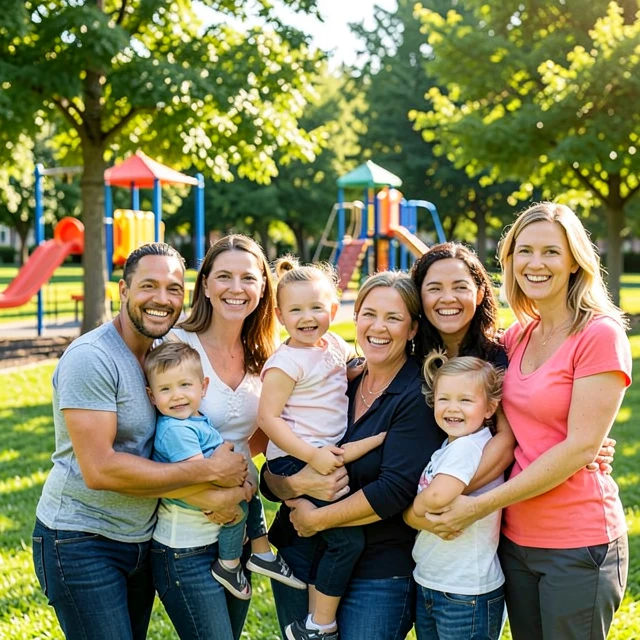
Many survivors achieve parenthood after cancer. Their stories inspire others. Take Molly, who beat lymphoma. Five years post-treatment, she gave birth to her fifth child. Her journey shows resilience pays off.
Erin faced breast cancer at 32. She preserved fertility before chemotherapy. After remission, she used IVF and a surrogate. Today, she parents a healthy daughter. 'Cancer took a lot, but not my dream of motherhood,' she says.
Rachael, diagnosed at 34 with triple-negative breast cancer, already had one child. She froze embryos. Post-treatment, surrogacy brought her a son. These tales highlight how planning for parenthood post-cancer leads to happy endings.
Another story: Tiffany battled cancer and preserved her fertility. She welcomed a baby after treatment. As shared by MD Anderson Cancer Center, her experience encourages others to explore options.
Guidance for Planning Parenthood Post-Cancer
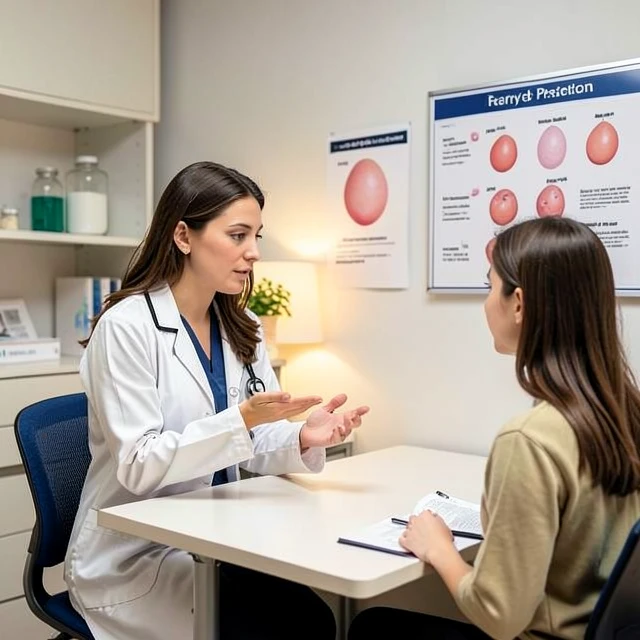
Start by talking to your doctor. Ask about risks to fertility. Seek a fertility specialist early. They guide you through choices.
Consider your age and cancer type. Younger patients often have better outcomes. If you face infertility, options like adoption or surrogacy exist. Support groups help too.
Steps to Take
- Get a fertility assessment before treatment.
- Choose a preservation method that fits your life.
- Plan for emotional support during the process.
- Follow up after treatment to check fertility status.
Costs matter. Insurance might cover some. Look for grants from cancer organizations. The American Cancer Society offers resources on managing these expenses.
Long-Term Outcomes of Fertility Preservation Before Chemotherapy
What happens years later? Studies show positive results. One review from PubMed Central found no big difference in cancer recurrence between those who preserved fertility and those who didn't.
Pregnancy rates vary, but many succeed. About 40% of women who try conceive after preservation. Live births happen naturally or with help. Delays to treatment are short, usually two weeks.
Risks are low. Hormone use in preservation doesn't worsen cancer in most cases. Long-term, preserved eggs lead to healthy babies. Survivors report better quality of life knowing options exist.
Challenges include lower egg quality post-cancer. Yet, success rates improve with technology. Regular check-ups help monitor outcomes.
Overcoming Infertility Challenges
Infertility affects many survivors. It's okay to grieve. Then, explore paths forward. IVF uses preserved material. Donor eggs or sperm work too.
Emotional health is key. Therapy helps process feelings. Partners share the journey. Communities online connect survivors.
Lifestyle tips: Eat well, exercise, avoid smoking. These boost fertility chances. Track cycles post-treatment.

Wrapping Up
Planning for parenthood post-cancer offers hope amid tough times. Success stories prove it's possible. With fertility preservation before chemotherapy, many build families. Remember, you're not alone. Seek guidance, stay informed, and hold onto your dreams.