Success Stories: Journeys Through Infertility – Real Hope and Triumph
Jan. 25, 2026, 6:45 a.m.
Infertility touches millions, bringing pain, doubt, and long waits. Yet many people build families after tough journeys. Success Stories: Journeys Through Infertility show real hope. These paths often mix medical help like IVF, emotional strength, and community support. This article shares honest experiences, tips for coping, and facts to guide you.

Understanding the Emotional Rollercoaster
Infertility hits hard. Many feel isolated, sad, or angry. One woman shared how she cried after every negative test for years. She said the hardest part was watching friends have babies while she waited. But she found strength by talking openly.
Men face it too. A husband described feeling helpless as his wife went through treatments. He learned to listen and support without trying to 'fix' everything. These stories remind us: emotions are normal, and sharing them helps.
Coping with Infertility: Tips and Support Groups
You don't have to face this alone. Many find relief through simple steps. First, allow yourself to feel the grief – cry, journal, or talk it out. Don't bottle it up.
Talk to your partner openly. Use short check-ins, like the 'Twenty Minute Rule,' to share feelings without overwhelming each other. Tell loved ones exactly what helps – maybe a hug instead of advice.
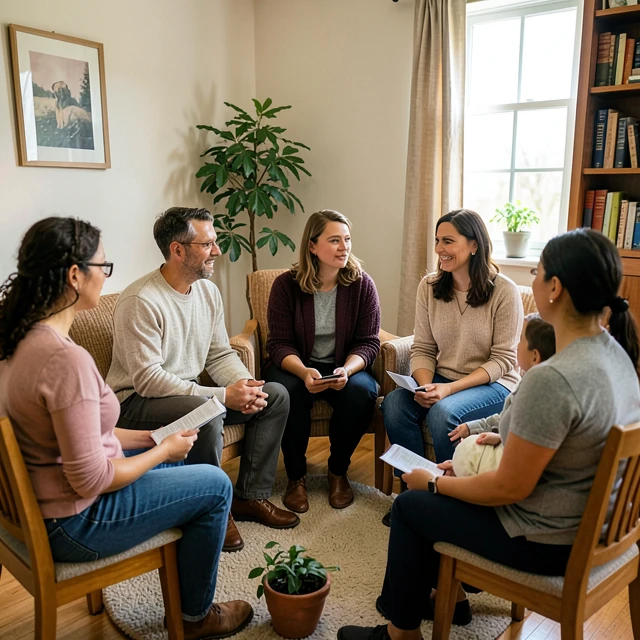
Support groups change everything. Groups like those from RESOLVE: The National Infertility Association connect you with people who truly understand. Studies show 81% of people feel better equipped after just six sessions. Join in-person or online meetings to share stories and reduce isolation.
Other tips include exercise, mindfulness, or therapy. A good counselor helps sort feelings and build coping skills.
Exploring Fertility Preservation and IVF
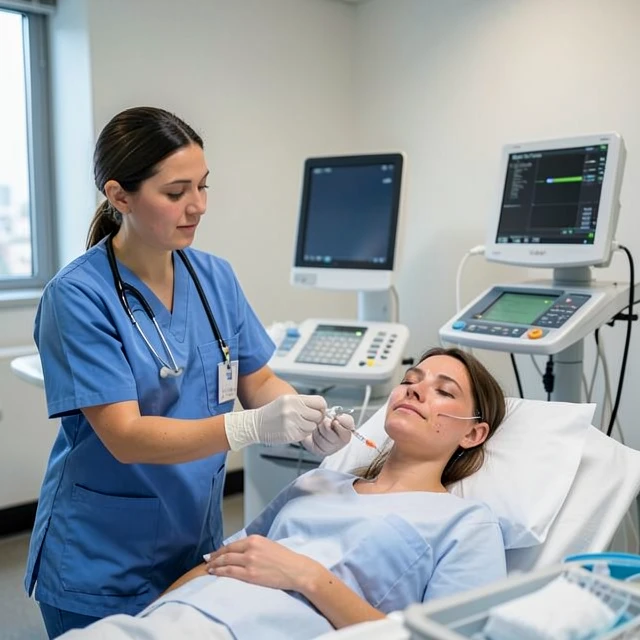
Some choose fertility preservation to protect future chances. Egg freezing lets women store healthy eggs when younger. Embryo freezing works for couples. These options help if facing medical treatments like cancer care or wanting to delay parenthood.
Success rates vary by age. Freezing eggs before 35 often gives better outcomes. According to experts, thawed eggs survive at 90-97% rates with modern methods. One guideline from the American Society for Reproductive Medicine (ASRM) shows results close to fresh eggs.
IVF remains a key path for many. It involves stimulating ovaries, retrieving eggs, fertilizing them, and transferring embryos. Stories show it works after years of trying other ways.
The cost of fertility preservation and IVF adds stress. A single IVF cycle often runs $10,000 to $20,000 in the US, not including meds. Egg freezing costs similar per cycle, plus storage fees of $300–$500 yearly. Insurance varies – 15 states mandate IVF coverage, and 21 cover fertility preservation, per RESOLVE's state-by-state guide. Check your plan and explore grants or loans.
Real Journeys That Inspire
Meet Sarah (inspired by many shared stories). After PCOS diagnosis and three years of failed tries, she turned to IVF. The first cycle failed, but the second brought twins. She says joining a support group kept her going during dark days.
Then there's Mike and Lisa. Male factor infertility hit hard. They used ICSI with IVF. After two cycles, they welcomed a son. Lisa stresses: 'We learned to grieve losses but celebrate small wins.'
Another woman froze eggs at 34 after a cancer scare. Years later, she used them for IVF and had a healthy baby. These Success Stories: Journeys Through Infertility prove persistence pays off.
One couple tried for a decade. They switched clinics, tried donor eggs, and finally held their baby. The husband said therapy helped him stay positive.
| Common Challenges | How They Overcame It |
|---|---|
| Multiple failed cycles | Switched protocols or clinics |
| Emotional strain | Joined support groups and therapy |
| Financial burden | Applied for grants, saved over time |
| Isolation | Shared stories openly with friends |
These steps turn pain into progress.
Finding Strength and Moving Forward
Every journey differs, but common threads exist: seek information, build a support network, and care for your mental health. Celebrate each step – a good appointment, a kind word, or a break from trying.
If you're struggling, reach out. Groups, counselors, and online communities wait to help. Your story can become one of hope too.
In the end, Success Stories: Journeys Through Infertility remind us that parenthood often comes after hardship. With medical advances in fertility preservation and IVF, emotional tools, and community, many cross the finish line. Hold onto hope – your family might be closer than you think.