The Role of Ovarian Reserve Testing in IVF Success
Jan. 27, 2026, 6:41 a.m.
Quick Overview
Ovarian reserve testing plays a key part in understanding fertility potential. It helps predict how well ovaries respond to IVF stimulation. Tests like AMH and antral follicle count guide doctors at fertility clinics to tailor treatments, raising hopes for better success in overcoming infertility.
Many women and couples face challenges when trying to build a family. Infertility affects millions, and in vitro fertilization (IVF) offers real hope. But success depends on many factors. One major piece is ovarian reserve – the number and quality of eggs left in the ovaries.
Ovarian reserve naturally declines with age. Yet it varies greatly from person to person. Some women in their 30s have lower reserve than expected. Others hold strong reserves longer. This is where ovarian reserve testing comes in. It gives clear insights early on.
What Is Ovarian Reserve?
Ovarian reserve refers to the pool of eggs available for ovulation or retrieval in IVF. Each woman starts with a fixed number of eggs at birth. This number drops over time. By puberty, hundreds of thousands remain. By age 40, far fewer eggs stay viable.
Age remains the strongest predictor of egg quality and IVF success. But ovarian reserve tests add valuable details. They help forecast response to medications used in IVF. This knowledge lets fertility specialists adjust plans for better results.
Main Tests for Ovarian Reserve
Doctors use several methods to check ovarian reserve. The most common include:
-
Anti-Müllerian Hormone (AMH) Test
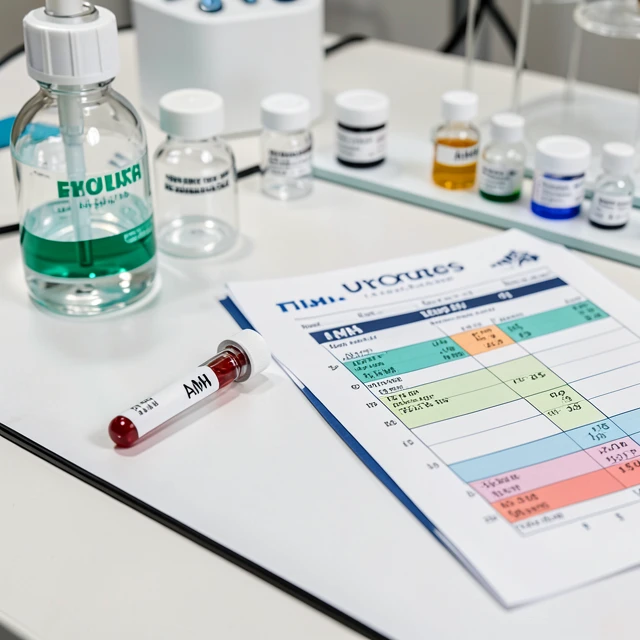
A simple blood draw measures AMH, produced by small follicles. Levels stay steady through the cycle, so testing happens any day. Higher AMH often means more eggs and stronger response to IVF drugs. Lower levels signal fewer eggs. -
Antral Follicle Count (AFC)
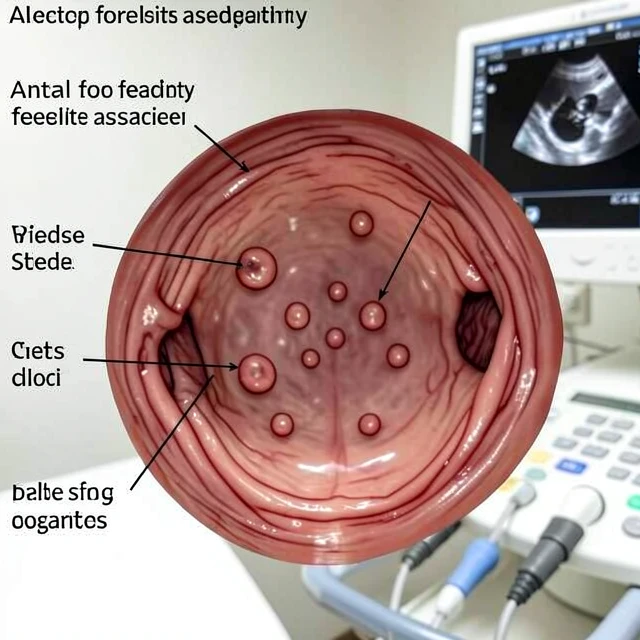
A transvaginal ultrasound counts small resting follicles early in the cycle. More follicles suggest better reserve. This test pairs well with AMH for accurate pictures. -
Follicle-Stimulating Hormone (FSH)
Measured early in the cycle via blood test. High FSH can indicate lower reserve, as the body works harder to stimulate ovaries. But AMH and AFC often provide better predictions today.
These tests do not predict natural pregnancy perfectly. They shine brightest for IVF planning. They predict egg yield during stimulation – a key step for success.
How Ovarian Reserve Testing Impacts IVF Success
IVF involves stimulating ovaries to produce multiple eggs, retrieving them, fertilizing in a lab, and transferring embryos. More eggs often mean more embryos and higher chances of a healthy pregnancy.
Studies show AMH and AFC predict response well. Women with higher levels tend to retrieve more eggs. Those with lower reserve may need adjusted protocols or face lower yields. Yet even low reserve does not rule out success, especially in younger women.
Age interacts strongly here. A younger woman with low AMH may still achieve good outcomes due to better egg quality. Older women face added challenges from declining quality. Testing helps set realistic expectations and customize care.

Benefits of Testing Before IVF
-
Personalized Treatment Plans
Results guide medication doses. High reserve might need lower doses to avoid over-response. Low reserve calls for higher doses or special protocols. -
Better Expectations
Knowing reserve helps couples understand odds. This reduces stress and informs decisions about proceeding, trying multiple cycles, or considering alternatives like donor eggs. -
Advanced Options
Some clinics offer advanced fertility testing options beyond basics. These include detailed hormone panels or genetic insights when needed.
| Test | What It Measures | Best For | Timing |
|---|---|---|---|
| AMH | Hormone from small follicles | Predicting egg yield | Any cycle day |
| AFC | Number of resting follicles | Visual reserve check | Early cycle |
| FSH | Pituitary signal to ovaries | Indirect reserve indicator | Cycle days 2-3 |
Visiting a reputable fertility clinic early makes a difference. Experts interpret results in context with your history and age. They explain what numbers mean for your unique path.
From my perspective, testing brings clarity amid uncertainty. Many patients feel empowered once they know their reserve status. It shifts focus from fear to action – whether that means starting IVF sooner or exploring other paths.
Limitations to Keep in Mind
Ovarian reserve tests predict quantity better than quality. They do not guarantee pregnancy. Egg quality, sperm factors, uterine health, and lifestyle also play roles.
Low results do not mean zero chance. Many women with diminished reserve succeed in IVF. High results do not ensure success either. Age remains key.
Experts from groups like the American Society for Reproductive Medicine stress using these tests to guide, not dictate, treatment. They advise against refusing care based solely on low values.
Final Thoughts
Ovarian reserve testing serves as a vital tool in the journey to IVF success. It helps map out the best approach at a fertility clinic. By revealing how ovaries may respond, it supports informed choices and tailored care.
If infertility concerns you, start with testing. Knowledge brings hope and direction. Speak with a specialist to see how these insights fit your story.