BabyQuest Foundation: Financial Assistance for Fertility Treatments
Jan. 26, 2026, 6:47 a.m.
Overview
BabyQuest Foundation provides financial assistance for fertility treatments to couples facing infertility. It awards grants for procedures like IVF and egg freezing. With over $3.9 million given out, the foundation has helped create more than 215 families. This support turns dreams into reality.
Infertility hits hard. One in eight couples struggles to conceive. The costs add up fast. Treatments like IVF can run $15,000 or more per cycle. Many people skip them because they can't pay. That's where BabyQuest Foundation steps in.
BabyQuest Foundation - Financial Assistance for Fertility Treatments (https://babyquestfoundation.org) aims to remove money worries. Founded to help those in need, it gives grants to cover part or all of treatment costs. People from all walks of life apply and get help.
The foundation focuses on treatments such as IVF, surrogacy, egg donation, sperm donation, egg freezing, and embryo donation. These options open doors for many. BabyQuest has awarded over 290 grants so far. That's a lot of hope shared.
To apply, visit their site. The process is straightforward. You fill out an application form. Share your story and financial details. Deadlines come twice a year. The next one is March 12, 2026. They review applications carefully.
Eligibility matters. You need to show infertility diagnosis. Prove you can't afford treatments. US residents get priority, but others can apply. No strict income limits, but need is key. They look at each case.
Success stories inspire. Take Erika and Curtis from California. They got a grant and now have a child. They say the community support meant everything. Charna and Sam from Florida feel the same. Their baby brings joy every day.
BabyQuest partners with groups like Perelel. They offer special $15,000 IVF grants. These boost chances for more people. The foundation's work changes lives one grant at a time.

How Couples Navigate Infertility Together
Infertility tests relationships. Couples face it as a team. Open talks help. Share feelings without blame. Listen to each other. This builds strength.
Set aside 'fertility-free' days. Focus on fun. Remember why you love each other. Go on dates. Laugh together. These breaks ease stress.
Share tasks. Decide on treatments as partners. Be honest about fears. This keeps you close. Many couples grow stronger through this.
Seek support groups. Talk with others in the same boat. It reduces isolation. Professional counseling helps too. Sites like Resolve.org offer tips.
Keep intimacy alive. Treatments can make sex feel like a chore. Plan romantic times. Touch and hug often. This maintains connection.
Relax together. Try yoga or walks. Manage stress. It improves chances and bonds you. Facing infertility united makes a difference.

The Impact of Infertility on Mental Health
Infertility hurts emotionally. Many feel sad, anxious, or depressed. Studies show 21-52% of women face depression. Men feel it too.
Stress builds from failed tries. You grieve each month. It feels like loss. Anxiety rises with treatments. Waiting for results is tough.
Couples argue more. Blame creeps in. Isolation grows. Friends have kids; you feel left out. This strains mental health.
Seek help early. Talk to therapists who know infertility. Groups like ASRM offer resources. Exercise and mindfulness help.
Know you're not alone. One in eight deals with this. Sharing stories reduces shame. Focus on self-care. It eases the toll.
Positive steps matter. Track emotions. Journal them. Build a support network. This protects mental health during the journey.
The Latest Advances in Fertility Preservation Tech
Tech changes fast. Egg freezing improved with vitrification. Survival rates jumped to over 90%. Women preserve fertility before cancer or aging.
AI helps pick best embryos. It boosts success. Genetic screening spots issues early. This raises healthy birth chances.
Stem cell research promises more. It may restore fertility after treatments. Robotic surgery aids procedures. Less invasive, better results.
Ovarian tissue freezing grows. For young patients, it's key. Live births from this rise. New drugs delay menopause too.
Telehealth makes care easy. Consult from home. Apps track cycles. These tools empower people.
Success Rates of Fertility Preservation Techniques
Success varies. Egg freezing for under 35: 30-60% live birth per cycle. Embryo freezing higher, around 50-70%.
Vitrification beats slow freeze. Oocyte survival: 90%+. Pregnancy rates: 35-50% after thaw.
For cancer patients, rates differ. One study: 34.6% live birth after preservation.
Ovarian tissue: 40-60% pregnancy in some cases. Sperm retrieval: 37-44% success. Live births: 40-59%.
Age matters most. Younger people see better rates. Talk to doctors for personal odds.
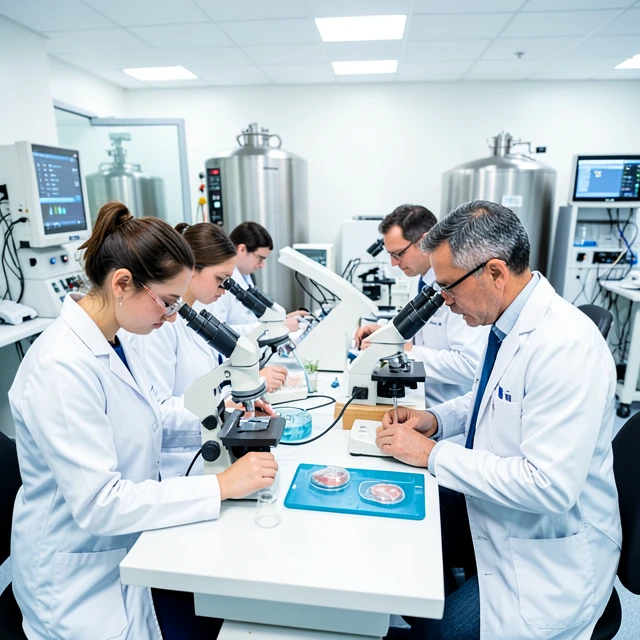
Personal insights: I spoke with a couple who used BabyQuest. They said the grant lifted a huge weight. They focused on health, not bills. It worked; they have twins now.
Actionable tips: Track your cycle. Eat well. Exercise. Reduce stress. See specialists early. Apply for grants like BabyQuest.
Use this table for common treatments:
| Treatment | Average Cost | Success Rate |
|---|---|---|
| IVF | $12,000-15,000 | 40-50% per cycle |
| Egg Freezing | $6,000-10,000 | 30-60% live birth |
| Surrogacy | $100,000+ | Varies by case |
List ways to cope: - Join support groups - Practice mindfulness - Communicate openly - Seek therapy - Stay active
In summary, BabyQuest Foundation makes fertility treatments possible. It eases financial and emotional loads. With advances in tech, hope grows. If you face infertility, reach out. Help is there.