Understanding Male Infertility: Causes and Treatments
Jan. 29, 2026, 6:37 a.m.
Quick Overview
Male infertility affects many couples trying to conceive, often due to issues like low sperm count or poor sperm function. Understanding Male Infertility Basics helps demystify the condition. With proper diagnosis and approaches like lifestyle adjustments or medical options, many men see improvements. This guide covers causes, Psychological Effects of Male Infertility, and practical treatments.
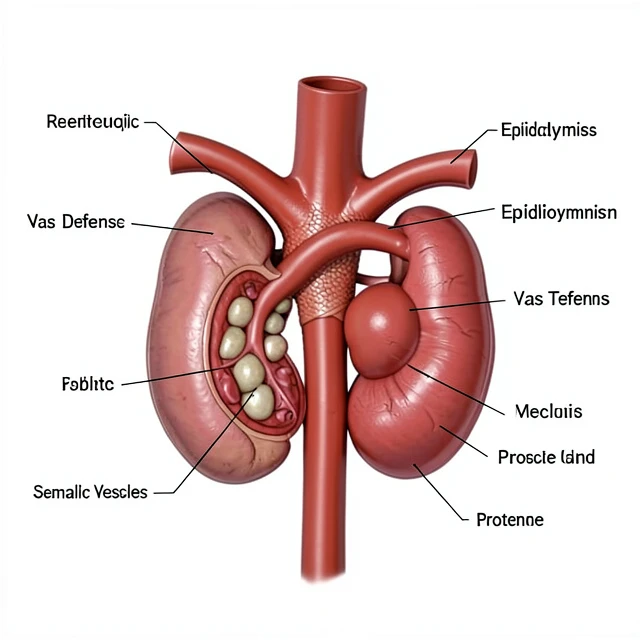
Male infertility plays a role in about half of couples who struggle to conceive after a year of trying. It often stems from problems with sperm production, function, or delivery. Many men feel shocked when they learn this, but it's a common issue that doctors can address.
The main sign is simply not getting pregnant despite regular unprotected sex. Other clues include sexual function problems, like low desire or erectile issues, swelling in the testicles, or hormonal signs such as reduced body hair.
Common Medical Causes
Several health issues can lead to male infertility. A varicocele—swollen veins in the scrotum—is the most common fixable cause, as it affects sperm quality by altering blood flow and temperature.
Infections, including sexually transmitted ones like gonorrhea or HIV, can damage sperm or create blockages from scarring. Ejaculation problems, such as retrograde ejaculation where semen enters the bladder instead of exiting, also interfere.
Hormone imbalances, chromosome defects like Klinefelter syndrome, or tumors affecting reproductive organs contribute too. Antibodies that attack sperm or undescended testicles from childhood raise risks as well.
Environmental and Lifestyle Factors
Everyday exposures matter. Overheating the testicles—from hot tubs, saunas, or tight clothing—temporarily harms sperm production. Toxins like pesticides, heavy metals, or radiation reduce counts too.
Lifestyle habits play a big part. Smoking lowers sperm numbers, excessive alcohol drops testosterone, and obesity disrupts hormones. Illicit drugs, including marijuana or anabolic steroids, shrink testicles and impair production.

Psychological Effects of Male Infertility
A diagnosis often hits hard emotionally. Many men feel shame, inadequacy, or a blow to their sense of masculinity. Society sometimes ties manhood to fatherhood, leading to guilt, anger, or depression.
Anxiety and stress rise, sometimes causing a cycle where mental strain worsens physical issues like low libido. Some withdraw or express frustration outwardly. Recognizing these Psychological Effects of Male Infertility is key—talking to a counselor or joining support groups helps many couples.
Partners often share the emotional load. Open communication strengthens relationships during this time.
Diagnosis and When to Seek Help
See a doctor after one year of trying (or sooner if over 35 or with known issues). Tests include semen analysis, hormone checks, and sometimes ultrasounds or genetic screening.
Treatments for Male Infertility
Options depend on the cause. Surgery fixes varicoceles or blockages, often improving sperm quality. Assisted reproductive technologies like IVF or ICSI help when sperm counts are low.
Fertility drugs and male infertility treatments include hormone therapies. Clomiphene or hCG boost natural testosterone and sperm production in cases of imbalances. These medications offer hope without always needing invasive steps.

Lifestyle Changes to Boost Male Fertility
Simple shifts make a difference. Maintain a healthy weight—excess fat lowers sperm quality. Exercise regularly but avoid extremes that overheat the body.
Eat nutrient-rich foods: veggies, fruits, nuts, fish, and whole grains provide antioxidants like vitamin C and zinc that protect sperm. Limit processed meats and trans fats.
Quit smoking and cut alcohol to moderate levels. Avoid recreational drugs. Keep testicles cool by wearing loose underwear and skipping long hot baths.
Manage stress through relaxation, hobbies, or therapy—these steps support both body and mind.
Final Thoughts
Understanding Male Infertility: Causes and Treatments empowers men to take control. Many cases improve with medical help, Lifestyle Changes to Boost Male Fertility, or emotional support. Consult a specialist for personalized advice—hope exists for most couples.