Prenatal Vitamins: What to Choose and Why
April 2, 2026, 6:37 a.m.
Overview
Choosing the right prenatal vitamins can set the foundation for a healthy pregnancy and support your baby's growth from the very start. In this guide to Prenatal Vitamins: What to Choose and Why, we break down essential nutrients, why timing matters, and how these supplements connect to broader fertility health. Whether you are just starting to plan a family or already expecting, understanding your options empowers you to make confident choices.
Pregnancy brings incredible changes to your body, and nutrition plays a starring role every step of the way. Many women begin thinking about prenatal vitamins only after seeing a positive test, but experts agree the best time to start is before conception. These specialized supplements fill gaps in your diet and help prevent common issues like low birth weight or developmental concerns.
What makes prenatal vitamins different from regular multivitamins? They are formulated with higher levels of key nutrients your body needs during this special time. We will walk through the science, share real-world insights, and give you clear steps to select the right one for your lifestyle.

The Role of Nutrition in Fertility: What You Need to Know
Nutrition is not just important once you are pregnant—it plays a powerful part long before. When you are trying to conceive, your body needs the right building blocks to support ovulation, hormone balance, and a healthy uterine lining. Studies show that certain vitamins and minerals can improve egg quality and overall reproductive health.
Folic acid stands out as a superstar. The CDC recommends that women who could become pregnant take 400 micrograms of folic acid daily to help prevent serious birth defects of the brain and spine. Starting early means your body already has what it needs when pregnancy begins. Iron, vitamin D, and omega-3 fatty acids also support fertility by reducing inflammation and aiding cell development.
For couples facing challenges, focusing on nutrition can feel like a positive step you control. A balanced diet plus targeted supplements often complements medical advice and gives hope during the waiting months.
The Emotional Journey of Infertility
Trying to conceive can be an emotional roller coaster filled with hope, disappointment, and sometimes isolation. Many women describe the process as a quiet battle—tracking cycles, researching options, and wondering why it has not happened yet. The Emotional Journey of Infertility touches every part of life, from relationships to self-worth.
During these times, prenatal vitamins become more than just pills. They represent proactive care and a commitment to your future baby. Women often share that taking them regularly brings a sense of control and optimism. One mom I spoke with said, 'Even on tough days when tests were negative, knowing I was nourishing my body helped me stay grounded.'
If you are using fertility treatments, remember that nutrition supports your whole system. Small daily habits like choosing the right vitamins can ease some of the emotional weight and keep you focused on the bigger picture.

Key Nutrients That Make Prenatal Vitamins Effective
Not all prenatal vitamins are created equal. Here is what to look for in a quality formula:
| Nutrient | Why It Matters | Daily Amount to Aim For |
|---|---|---|
| Folic Acid | Prevents neural tube defects | 400–800 mcg |
| Iron | Supports increased blood volume and prevents anemia | 27 mg |
| Calcium | Builds baby’s bones and teeth | 1,000 mg |
| Vitamin D | Helps with calcium absorption and immune health | 600 IU |
| DHA (Omega-3) | Supports baby’s brain and eye development | 200–300 mg |
| Iodine | Essential for thyroid function and baby’s brain growth | 150–220 mcg |
These amounts come from established guidelines and can vary based on your individual needs. Always check the label and talk with your doctor. Some formulas also include choline, which supports brain development but is often missing in standard prenatals.
Beyond the basics, consider your personal health. If you follow a plant-based diet, you may need extra vitamin B12 or iron. Women with certain conditions like anemia or a history of pregnancy complications might require higher doses under medical supervision. The goal is to complement—not replace—your healthy eating habits.
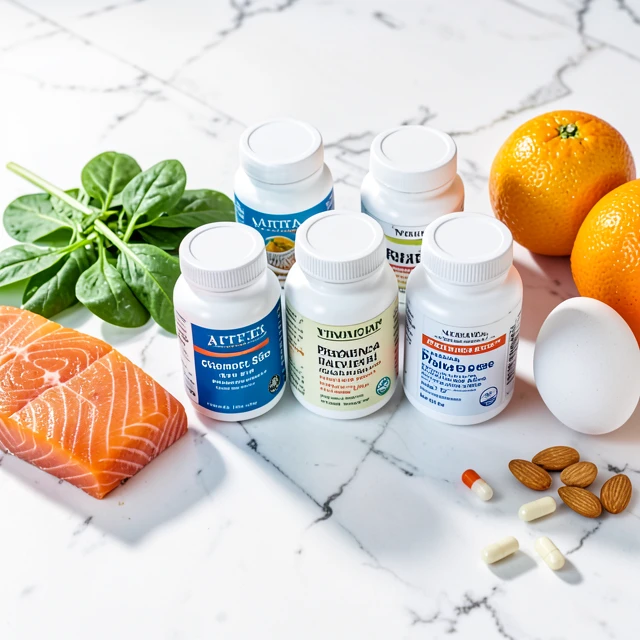
Choosing the Best Prenatal Vitamins: Practical Tips
Walk into any store or scroll online and you will see dozens of options. How do you decide? Start by reading the label carefully. Look for third-party testing seals like USP or NSF to ensure purity and accurate dosing.
Consider your preferences too. Some women prefer capsules, while others like gummies or chewables. If morning sickness hits hard, choose a formula with ginger or take it with food. Cost matters, but the cheapest is not always best—balance quality with what fits your budget.
For those exploring fertility treatments, note that while best ovulation inducers for successful pregnancy can help achieve conception, prenatal vitamins prepare your body to nurture that pregnancy. Many doctors recommend starting them at least three months before trying to conceive. Ovulation Inducers work best when paired with strong nutritional support.
Check for DHA if you eat little fish. Avoid formulas with mega-doses of vitamin A, which can harm a developing baby. And remember, prenatal vitamins are not a substitute for a varied diet rich in fruits, vegetables, whole grains, and lean proteins.
Real talk from experience: one woman shared that switching to a prenatal with higher iron levels finally eased her fatigue during the second trimester. Another found that a once-daily formula with DHA made sticking to her routine simple. Listen to your body and adjust with professional guidance.
Common Questions and Smart Next Steps
Many wonder if they really need prenatal vitamins if they eat well. The answer is usually yes—pregnancy increases nutrient demands that food alone may not fully meet. Others ask about side effects like constipation from iron. Switching to a lower-iron formula temporarily or adding fiber can help.
Always discuss your choice with your healthcare provider. They know your medical history and can recommend personalized options.
Summary
Prenatal Vitamins: What to Choose and Why comes down to matching your needs with science-backed nutrients that support both fertility and pregnancy. By understanding The Role of Nutrition in Fertility: What You Need to Know and respecting The Emotional Journey of Infertility, you give yourself and your baby the best possible start. Choose thoughtfully, start early, and pair your vitamins with a nourishing lifestyle. Your future family will thank you.