Fertility Preservation Options: Protecting Your Reproductive Health
April 2, 2026, 6:35 a.m.
Overview
Fertility Preservation Options: Protecting Your Reproductive Health matters to anyone who wants to keep their family-building dreams on track. Whether you're facing medical treatments, focusing on your career, or simply not ready yet, these smart steps can help you protect your chances of having children later. In this guide, we explore real options, lifestyle tips, and advanced methods that put you in control.

Why Fertility Preservation Matters Today
Life throws curveballs. Cancer treatments, endometriosis, or even choosing to wait until your 30s or 40s can affect fertility. The good news? Modern science offers ways to freeze eggs, sperm, or embryos now for use later. Many people feel empowered knowing they have a backup plan. According to experts, starting early gives the best results because egg and sperm quality decline with age.
Common Fertility Preservation Options for Women and Men
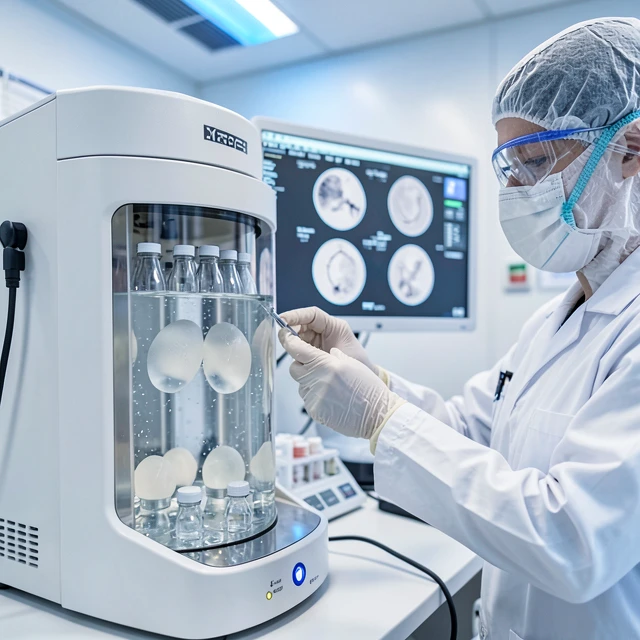
For women, egg freezing and embryo freezing stand out as top choices. In egg freezing, doctors stimulate the ovaries, retrieve mature eggs, and freeze them using a fast-freezing method called vitrification. Embryo freezing works the same way but adds fertilization with sperm first. These steps usually take about two weeks and can happen before any medical treatment begins.
Men have it simpler. Sperm banking involves collecting samples and freezing them right away. It works well even if treatment starts soon. Both options help protect against damage from chemotherapy, radiation, or other health issues.
A quick look at pros and cons helps you decide:
| Option | Best For | Time Needed | Success Rate Notes |
|---|---|---|---|
| Egg Freezing | Women delaying pregnancy | 2 weeks | High with younger eggs |
| Embryo Freezing | Couples with partner sperm | 2 weeks | Often the most successful |
| Sperm Banking | Men facing treatment | 1-2 days | Very reliable and affordable |
I spoke with a 28-year-old woman named Sarah who froze her eggs before starting chemo for breast cancer. She told me, 'It gave me hope when everything else felt out of control.' Stories like hers show how these choices bring real peace of mind.
The Role of Exercise in Reproductive Health
Regular movement plays a big part in keeping your body ready for pregnancy. Moderate exercise helps balance hormones, maintain a healthy weight, and reduce stress—all key for fertility. Studies show that women who stay active with activities like walking or yoga often have better ovulation cycles. For men, physical jobs or workouts can boost sperm count and quality.
But balance matters. Too much intense exercise, like daily marathon training, might actually lower fertility in some cases. Aim for 150 minutes of moderate activity each week. You can learn more from this Harvard Medical School study on physical activity and male fertility.
Lifestyle Changes to Improve Fertility
Small daily habits make a huge difference. Quit smoking and limit alcohol—these directly harm eggs and sperm. Eat plenty of fruits, vegetables, whole grains, and healthy fats to support hormone health. Manage stress with meditation or short walks. Keep your weight in a healthy range because both being underweight or overweight can affect ovulation and sperm production.
One simple tip: cut back on caffeine to under 200 mg a day. These changes not only boost your chances now but also improve outcomes if you use preserved samples later. Many couples notice better energy and mood after just a month of cleaner living.

Modern Fertility Treatments Explained
Once you preserve your samples, modern fertility treatments explained make parenthood possible. In vitro fertilization (IVF) is the most common. Doctors thaw frozen eggs or embryos, fertilize them if needed, and place a healthy embryo into the uterus. Success rates have climbed thanks to better lab techniques—often 40-60% per cycle for women under 35.
Intrauterine insemination (IUI) offers a simpler start for some couples using thawed sperm. These treatments feel less scary when you understand the steps: monitoring, retrieval (if fresh), and transfer. Clinics now use genetic testing to choose the healthiest embryos, lowering risks of certain conditions.
Exploring Advanced Fertility Preservation Techniques
For those who need options beyond standard freezing, advanced fertility preservation techniques open new doors. Ovarian tissue freezing removes a small piece of ovary and stores it for later transplant. It works even for girls who haven't started periods yet. Testicular tissue freezing does the same for boys. These methods shine when time is short or hormone stimulation isn't possible.
Other innovations include in vitro maturation of immature eggs and ovarian shielding during radiation. The Oncofertility Consortium at Michigan State University offers excellent details on these breakthroughs. Check the University of Rochester Medical Center's fertility preservation info for real-world success stories.
Another trusted resource comes from the National Institute of Child Health and Human Development, which explains how these techniques help both cancer patients and healthy individuals planning ahead.
Putting It All Together: Your Personal Plan
Start with a conversation with a reproductive specialist. They review your health history and recommend the best fit. Costs vary—sperm banking might run a few hundred dollars while egg freezing can reach several thousand—but many insurance plans now cover parts of it, especially for medical reasons. Support groups and counseling help you process emotions along the way.
Summary
Fertility Preservation Options: Protecting Your Reproductive Health gives you power over your future. From lifestyle changes and the role of exercise in reproductive health to modern fertility treatments explained and advanced fertility preservation techniques, you have real tools to build the family you want. Take that first step today—talk to a doctor and explore what fits your life. Your future self will thank you.