Understanding IVF Success Rates and What They Mean for You
March 29, 2026, 6:36 a.m.
If you are exploring fertility options, Understanding IVF Success Rates and What They Mean for You can feel overwhelming at first. These numbers offer a helpful snapshot of average outcomes, but your personal chances depend on many individual factors. This guide breaks it down clearly so you can approach treatment with realistic expectations and confidence.
IVF, or in vitro fertilization, helps many people build families when natural conception is challenging. Clinics report success rates to organizations like the CDC and SART. These rates show the percentage of cycles that result in a live birth. However, they represent averages across thousands of patients, not a guarantee for any one person.

According to the latest national data, the overall live birth rate per ART cycle is around 37.5% across all ages. For women under 35 using their own eggs, rates often reach 45-55% per cycle in many reports. These figures come from large-scale tracking by reputable sources.
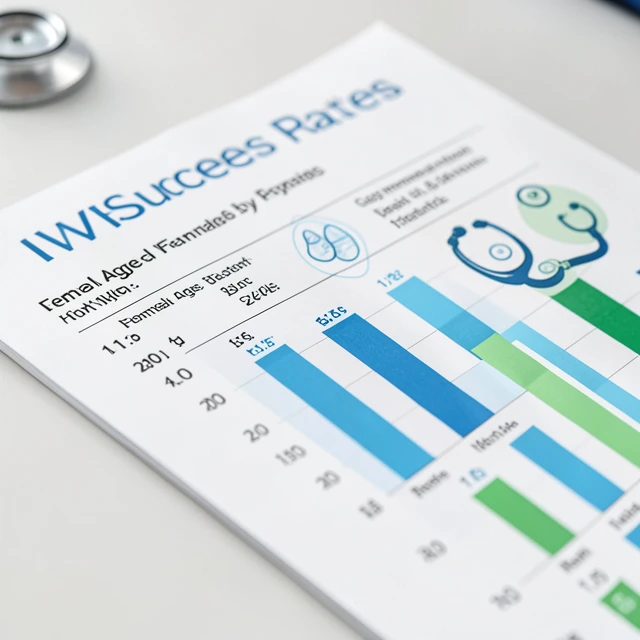
Success rates drop gradually with age because egg quality and quantity change over time. Women aged 35-37 see rates around 35-45%, while those 38-40 hover near 24-35%. For ages 41-42, the range is typically 12-25%, and over 42, it falls to 3-10% with own eggs. Donor eggs maintain higher success, often over 50%, regardless of the recipient's age.
Here is a simple breakdown of typical live birth rates per intended egg retrieval using own eggs (based on recent CDC and SART trends):
- Under 35: 45-55%
- 35-37: 35-45%
- 38-40: 24-35%
- 41-42: 12-25%
- Over 42: 3-10%
These numbers highlight why age matters, but they do not tell the full story. Embryo quality, sperm health, lifestyle choices, and the specific clinic all play important roles. Many people need more than one cycle to succeed, and cumulative success over multiple attempts rises significantly.
One couple shared their experience: 'We started IVF at age 36 after trying naturally for two years. The first cycle gave us two good embryos, but it did not work. The second cycle succeeded on the first transfer. Knowing the average rates helped us prepare emotionally and financially without losing hope.' Stories like this remind us that persistence and personalized care often make the difference.
Key factors that influence your personal odds include: - Your age at egg retrieval — The strongest predictor. - Egg and embryo quality — Labs grade embryos; higher-grade ones implant better. - Number of eggs retrieved — More eggs often mean more chances to create strong embryos. - Lifestyle factors — Maintaining a healthy weight, not smoking, and managing stress support better outcomes. - Previous pregnancies or IVF attempts — A history of success can improve future predictions. - Clinic expertise and lab standards — Choose programs with strong, verified data.
The CDC offers a helpful IVF Success Estimator that lets you input personal details for a tailored estimate. Tools from SART also help predict cumulative live birth rates over multiple cycles. These resources provide data-driven insights rather than generic averages.
Beyond biology, practical matters matter too. Financial Planning for Fertility Treatments: Tips and Strategies is essential because one IVF cycle can cost $15,000–$25,000 or more, including medications. Start by reviewing your budget, exploring payment plans at clinics, and considering grants or shared-risk programs that refund money if treatment fails.

Many clinics offer financing options or multi-cycle packages that reduce per-cycle costs. Saving early, using flexible spending accounts, or exploring low-interest medical loans can ease the burden. Track every expense carefully and ask clinics about all-inclusive pricing to avoid surprises.
Insurance coverage varies widely. Legal Rights in Health Insurance and Legal Aspects of Fertility Insurance Coverage come into play here. About 25 states have some form of infertility mandate, with around 15 requiring coverage for IVF in certain plans. However, self-insured employer plans often fall outside state rules, so check your specific policy carefully.
Familiarize yourself with your state's laws through resources like RESOLVE: The National Infertility Association. Some mandates limit the number of cycles or require a formal infertility diagnosis after a set time of trying to conceive. Understanding these details protects your rights and helps you advocate effectively with insurers.
When it comes to Top Insurance Providers for Fertility, plans from Aetna, UnitedHealthcare, and Blue Cross Blue Shield often stand out for broader networks and potential fertility benefits in covered states. Cigna has partnered with specialized fertility vendors in some cases. Always verify current coverage directly with the provider, as benefits change and depend on your plan type.
Actionable steps to take now: 1. Schedule a consultation with a reproductive endocrinologist to review your specific case. 2. Use the CDC or SART tools to estimate your chances. 3. Review your insurance policy and contact your plan administrator. 4. Create a realistic financial plan that includes multiple cycles if needed. 5. Focus on lifestyle improvements that support fertility health. 6. Build a support network—emotional well-being matters during this process.
Success in IVF is not just about statistics. It combines science, personal health choices, emotional resilience, and smart planning. Many people who initially felt discouraged by average rates went on to welcome healthy babies after tailoring their approach.
In summary, Understanding IVF Success Rates and What They Mean for You empowers better decisions. Rates provide context, not predictions. Combine them with professional medical advice, thorough financial preparation, and awareness of your insurance options to move forward confidently on your path to parenthood.