Understanding PCOS and Lifestyle Changes for Conception: Your Guide to Better Fertility
March 28, 2026, 6:39 a.m.
Polycystic ovary syndrome, or PCOS, affects millions of women and often makes getting pregnant more challenging. But many women improve their fertility through simple yet powerful lifestyle changes. This guide explores understanding PCOS and lifestyle changes for conception, offering real, actionable steps you can start today.

If you have irregular periods, trouble ovulating, or excess androgen symptoms like acne or unwanted hair growth, you might be dealing with PCOS. It is one of the leading causes of infertility, but the good news is that lifestyle shifts often make a big difference before or alongside medical treatments.
What is PCOS and how does it impact fertility?
PCOS disrupts hormone balance. Your ovaries may produce higher levels of androgens and you might have insulin resistance. These changes can prevent regular ovulation, making it harder to conceive naturally. Many women only discover they have PCOS when they start trying for a baby.
Doctors diagnose PCOS using criteria that usually include at least two of these: irregular periods, high androgen levels (shown by blood tests or symptoms), and polycystic ovaries visible on ultrasound. There is no single test, so your doctor rules out other conditions first.
Infertility Diagnosis and Lifestyle Factors
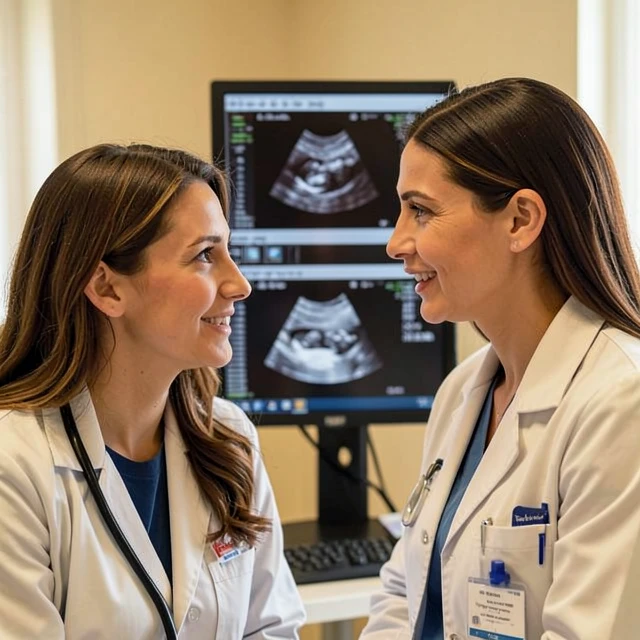
Infertility diagnosis often begins with tracking your cycles and basic blood work. For women with PCOS, doctors check hormone levels, blood sugar, and insulin. Lifestyle factors play a huge role here. Excess weight, poor diet, and low activity levels can worsen insulin resistance and hormone imbalance.
Research shows that even a modest 5-10% weight loss can help restore ovulation and improve fertility outcomes. Lifestyle changes address the root issues rather than just masking symptoms.
According to experts at Johns Hopkins Medicine, lifestyle changes including diet and exercise are an important first step for treating infertility with PCOS.[20]
You do not need to overhaul everything at once. Start small: focus on balanced meals, move your body regularly, and manage stress. These steps help your body use insulin better, lower androgen levels, and encourage more regular cycles.
Key Lifestyle Changes That Support Conception
- Eat for hormone balance and stable blood sugar
- Choose whole foods: vegetables, fruits, lean proteins, healthy fats, and complex carbs.
- Limit added sugars, refined carbs, and processed foods.
- Consider a Mediterranean-style or lower-carb approach, which studies link to better ovulation and pregnancy rates.
Many women notice more energy and fewer cravings within weeks of cleaning up their plates.
A review of studies found that dietary changes, especially low-carbohydrate patterns combined with calorie control, improved pregnancy rates and reduced hyperandrogenism in women with PCOS.
- Move your body with purpose
Exercise improves insulin sensitivity, helps with weight management, and supports overall hormone health. Aim for consistency over intensity at first.

Exercise Plans to Boost Fertility Naturally
Exercise Plans to Boost Fertility Naturally do not require hours at the gym. Research supports 30 minutes of moderate activity most days of the week.
- Cardio: Brisk walking, swimming, or cycling – great for heart health and insulin sensitivity.
- Strength training: Squats, lunges, push-ups, and planks build muscle, which helps burn calories and regulate blood sugar.
- HIIT or interval training: Short bursts of higher effort followed by recovery can be especially helpful for PCOS, but start slow if you are new to exercise.
- Yoga or Pilates: These reduce stress, improve flexibility, and may support hormone balance.
Combine types for best results: three strength sessions and two cardio or yoga days per week. Always listen to your body and consult your doctor before starting a new routine.
Studies indicate that regular physical activity can help regulate menstrual cycles and improve ovulation in women with PCOS. Even modest increases in movement make a difference.
- Manage stress and prioritize sleep
Chronic stress raises cortisol, which can worsen PCOS symptoms. Try daily mindfulness, deep breathing, or short walks in nature. Aim for 7-9 hours of quality sleep each night – poor sleep affects hormones and insulin.
- Track your cycle and work with your healthcare team
Use apps or ovulation tests to understand your body better. Share your lifestyle efforts with your doctor. Many women combine these changes with medications like letrozole or metformin for stronger results.
When Lifestyle Changes Are Not Enough: Considering IVF
If natural conception remains difficult after several months of optimized lifestyle habits, your doctor may discuss fertility treatments. IVF (in vitro fertilization) is an effective option for many women with PCOS. Success rates are generally good, though individual results depend on age, overall health, and other factors.
Lifestyle improvements before IVF can enhance outcomes by improving egg quality, reducing risks like ovarian hyperstimulation, and supporting a healthier pregnancy.
Women often share that the emotional side of infertility is tough. Connecting with support groups or a counselor can help you stay motivated. Celebrate small wins – better energy, clearer skin, or a more regular cycle – because they show your body is responding.
One woman I spoke with described losing 8% of her body weight through consistent walking and better eating. Within three months, her cycles became more predictable, and she conceived naturally after years of trying. Your journey will be unique, but many women regain hope through these practical steps.
Quick Actionable Checklist
- Track your meals for one week and note how you feel.
- Schedule 150 minutes of movement this week.
- Set a consistent bedtime.
- Book a follow-up with your doctor to review progress.
- Consider working with a registered dietitian experienced in PCOS.
Remember, understanding PCOS and lifestyle changes for conception puts you in control. Small, sustainable shifts often lead to meaningful improvements in fertility and overall wellbeing.
In summary, PCOS-related infertility improves for many women when they focus on balanced nutrition, regular exercise, weight management if needed, stress reduction, and good sleep. These changes address insulin resistance and hormone imbalance at the source. Whether you conceive naturally or explore options like IVF, starting with lifestyle foundations gives you the best possible foundation.