The Process of Sperm Banking Explained: A Complete Guide to Fertility Preservation
March 27, 2026, 6:40 a.m.
Sperm banking gives men a reliable way to protect their ability to have biological children later in life. Whether facing medical treatments, planning ahead, or simply wanting options, this process lets you freeze and store sperm for future use. In this guide, we break down The Process of Sperm Banking Explained in clear, straightforward terms.
Understanding Fertility Preservation Options starts with recognizing that life events can affect male fertility. Cancer treatments like chemotherapy or radiation often harm sperm production. Other reasons include upcoming vasectomy, military deployment, gender transition, or simply delaying parenthood as life gets busy. Sperm banking offers a proactive solution that preserves your genetic material at its current quality.
Many men I have spoken with describe the decision as empowering. One young professional shared how banking sperm before starting a demanding career gave him confidence that family plans remained open despite long work hours. Another, facing cancer treatment, said it lifted a huge weight knowing he still had a path to fatherhood after recovery.

The actual process begins with an initial consultation. You meet with a reproductive specialist who reviews your medical history and explains everything. They discuss why you want to bank sperm and answer questions honestly. This conversation helps you feel comfortable and informed.
Next comes screening for infectious diseases. A simple blood test checks for HIV, hepatitis B and C, syphilis, and other conditions. This step ensures safety for anyone who might use the samples later. Clinics follow strict guidelines from organizations like the American Society for Reproductive Medicine (ASRM) to maintain high standards.
Then you provide semen samples. Most men do this by masturbating in a private room at the clinic. The room is comfortable, with magazines, videos, or music to help you relax. Some facilities allow collection at home if you can deliver the sample quickly and keep it at body temperature. Avoid lubricants unless the clinic approves them, as they can damage sperm.
Clinics usually recommend 2-3 samples collected on different days for the best results. Abstaining from ejaculation for 2-5 days before each collection often improves sample quality. A lab technician immediately analyzes each sample for sperm count, movement (motility), and shape (morphology).
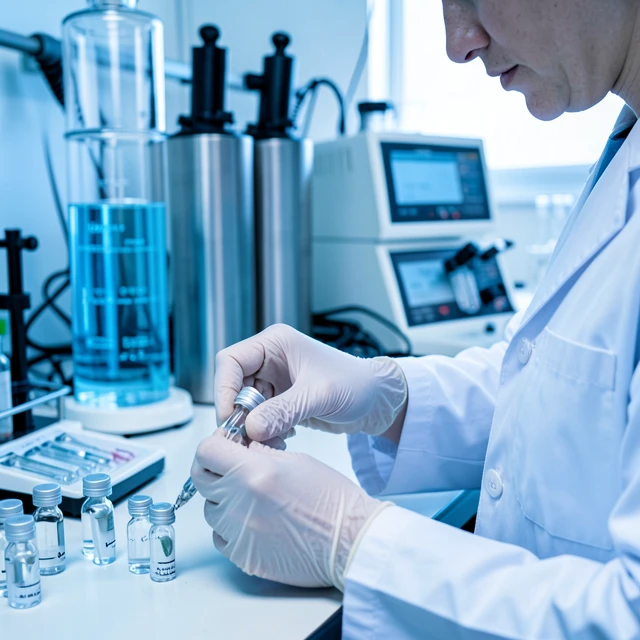
After analysis, technicians mix the sperm with a special cryoprotectant solution that protects cells during freezing. They divide the sample into small vials or straws. The freezing happens gradually in a controlled way before samples go into liquid nitrogen tanks at around -196°C (-320°F). This ultra-cold temperature stops all biological activity, keeping sperm viable for decades.
A test thaw usually happens after a couple of days to check how well the sperm survive the process. Survival rates are generally high with modern techniques, though they vary by individual factors like age and health.
Storage fees apply after the initial processing. Annual costs typically range from $200 to $500, though some clinics offer multi-year discounts. Initial banking, including consultation, testing, and freezing, often costs $500 to $1,500 depending on the number of samples and location.
When you decide to use the stored sperm, the clinic thaws it carefully. Doctors can use it for intrauterine insemination (IUI) or in vitro fertilization (IVF) with intracytoplasmic sperm injection (ICSI). Success depends on many factors, including the partner's age and overall health, but many men successfully become fathers using banked sperm years later.
Your Legal Rights in Fertility Preservation matter a great deal. Before banking, you sign detailed consent forms. These documents cover how long to store the samples, what happens if you die or become incapacitated, and who can access them. Clear instructions prevent future disputes.
Laws vary by country and even by state, so review them carefully. In many places, sperm is considered your property. You retain control over its use, donation, or destruction. Discuss posthumous use with your partner or family if relevant. Some men create wills or add directives specifying their wishes.
Legal considerations in sperm banking also include privacy protections. Reputable banks keep your information confidential. If you donate sperm to others, additional rules apply regarding anonymity and rights of any resulting children. Always consult a lawyer familiar with reproductive law for personalized advice.

Here are key steps summarized in a simple list:
- Schedule consultation and discuss your goals
- Complete infectious disease screening
- Provide 2-3 semen samples over separate visits
- Lab analyzes and prepares samples for freezing
- Samples go into secure cryogenic storage
- Pay initial and ongoing storage fees
- Plan for future use when ready
This straightforward sequence makes the entire experience manageable.
Personal stories highlight the emotional side. A father who banked sperm before chemotherapy told me he felt more optimistic during tough treatments knowing his fertility remained protected. Another man in his 40s who delayed family for career reasons appreciated having high-quality younger sperm available when he met his partner later.
Lifestyle matters before banking. Maintain a healthy weight, avoid smoking, limit alcohol, and reduce stress where possible. These steps support better sample quality. Your doctor may suggest supplements or other optimizations based on your semen analysis.
Not every man can produce a sample through masturbation. In those cases, clinics offer alternatives like electroejaculation under anesthesia or surgical sperm extraction (TESE). These options expand access for men with medical conditions or religious concerns.
Sperm banking is one important part of Understanding Fertility Preservation Options. Men also explore testicular tissue freezing in certain cases, though sperm banking remains the most established and successful method for post-pubertal males.
The technology has advanced significantly. Modern cryopreservation techniques yield excellent post-thaw survival rates. Many couples achieve pregnancy using banked sperm, bringing real hope to those who once feared infertility.
In summary, The Process of Sperm Banking Explained shows it is accessible, safe, and effective. Taking this step now can provide tremendous peace of mind for the future. Talk openly with your doctor about whether it fits your situation. Early action often leads to the best outcomes.
Making an informed choice about sperm banking empowers you to take control of your reproductive future while focusing on present health needs.