The Role of Diet in Fertility: What the Science Says
March 25, 2026, 6:54 a.m.
The Role of Diet in Fertility: What the Science Says
Science keeps showing us that what lands on your plate matters when you’re trying to grow your family. A well-planned diet can support hormone balance, improve egg and sperm quality, and even raise your chances during treatments like IVF. In this guide, we break down the evidence in plain English so you can make changes that feel doable and effective.
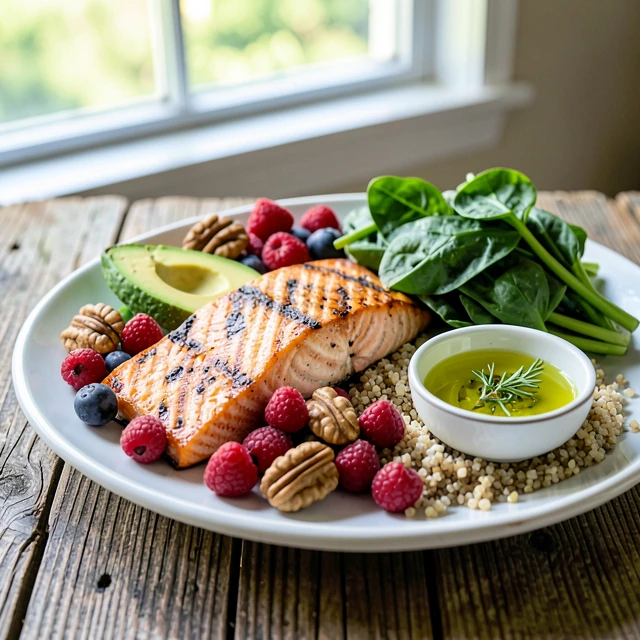
How Diet Influences Fertility for Both Women and Men
Your body needs the right building blocks to make healthy eggs, sperm, and a welcoming uterus. Poor eating habits can throw hormones off balance, slow ovulation, or lower sperm count. On the flip side, studies show that people who follow certain eating patterns often see real improvements.
For women, a healthy diet helps regulate cycles and supports embryo implantation. For men, it boosts sperm shape, movement, and numbers. Couples dealing with infertility notice these shifts most when they tweak their plates together.
Research from major health institutions backs this up. One detailed review published by the National Institutes of Health found that diets high in unsaturated fats, whole grains, vegetables, and fish link to better fertility outcomes in both sexes. You can read the full review on diet and fertility from the National Institutes of Health.
Key Nutrients That Make a Difference
Certain vitamins and minerals stand out in the science. Here’s what actually helps:
- Folic acid and vitamin B12: These support ovulation and lower the risk of early pregnancy loss. Women who get enough often have higher success rates.
- Omega-3 fatty acids: Found in fish and walnuts, they reduce inflammation and improve blood flow to reproductive organs.
- Antioxidants from colorful produce: Berries, leafy greens, and nuts fight oxidative stress that can damage eggs and sperm.
Harvard experts reviewed dozens of studies and noted that folic acid, B12, omega-3s, and overall healthy eating patterns show positive links to natural conception and treatment success. Check their clear summary in fertility and diet: is there a connection? from Harvard Health.
I’ve worked with many couples who felt overwhelmed at first. One woman shared that adding just one extra serving of fatty fish and a handful of nuts each week helped her energy and cycle regularity before her next IVF cycle. Small, consistent wins like this add up.
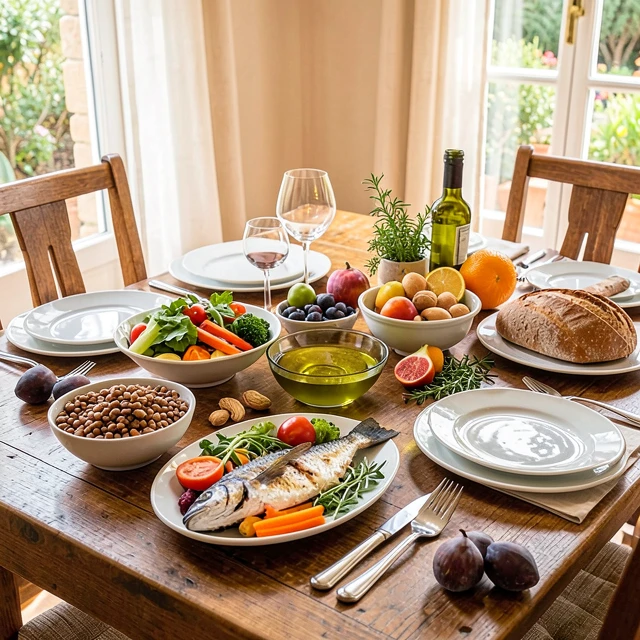
The Mediterranean Diet: Your Fertility Ally
Time and again, the Mediterranean way of eating rises to the top in fertility research. Think lots of plants, healthy fats, fish, and minimal processed junk.
Women who follow it closely before IVF often see higher clinical pregnancy and live birth rates. One study of women under 35 showed those with strong adherence had almost double the success compared to low adherers.
Men benefit too—the same pattern improves semen quality. The diet works because it cuts inflammation and supplies steady nutrients without extremes.
Foods to Embrace Every Day
Make these your new staples:
- Leafy greens and colorful vegetables (spinach, broccoli, tomatoes)
- Berries, citrus, and other fruits
- Whole grains like oats, quinoa, and brown rice
- Fatty fish such as salmon or sardines (twice a week)
- Nuts, seeds, and olive oil
- Legumes and plant-based proteins
A simple daily plate might look like half vegetables, a quarter whole grains, and a quarter protein with healthy fat.
Foods and Habits That Can Slow You Down
Just as some choices help, others can quietly work against you. Trans fats in fried and packaged snacks link to poorer ovulation and lower embryo quality. High sugar and processed meats may raise inflammation.
Alcohol and excessive caffeine get mixed reviews, but most experts suggest keeping them low. Excess body weight from poor diet also affects hormone levels, so steady, nourishing meals support a healthy BMI without crash diets.
Here’s a quick comparison table to keep things clear:
| Eat More Often | Limit or Avoid | Why It Matters |
|---|---|---|
| Salmon, walnuts, olive oil | Fried foods, trans fats | Reduces inflammation |
| Berries, spinach, oranges | Sugary drinks, processed snacks | Protects eggs and sperm |
| Whole grains, legumes | Red and processed meats | Supports hormone balance |
| Full-fat dairy in moderation | Excessive alcohol | Better ovulation and sperm health |
Embryo Transfer and Implantation Success Tips Through Diet
If you’re preparing for IVF or Embryo Transfer, timing your nutrition right can give your body extra support. The weeks before and right after transfer are key windows.
Focus on anti-inflammatory foods to create a calm environment for implantation. Omega-3s and antioxidants help blood flow to the uterus. Stay hydrated and choose iron-rich greens to keep energy steady.
Practical embryo transfer and implantation success tips:
1. Add walnuts or flaxseeds daily for plant-based omega-3s.
2. Include pineapple or berries for natural enzymes and vitamin C.
3. Choose low-glycemic carbs like sweet potatoes to keep blood sugar even.
4. Sip herbal teas like raspberry leaf (after checking with your doctor).
Studies on women undergoing assisted reproduction show that higher adherence to a “pro-fertility” diet—rich in folic acid, B12, seafood, and whole grains—links to better implantation rates and fewer pregnancy losses.

One patient couple told me they felt more in control after printing a simple weekly meal plan focused on these tips. Their doctor even noticed steadier hormone levels at the next check-in. Diet won’t replace medical care, but it can be a powerful teammate.
Making It Work in Real Life
You don’t need fancy meal kits or perfect willpower. Start small: swap one processed snack for nuts and fruit. Plan one Mediterranean-style dinner each week. Track how you feel after two weeks—many notice steadier moods and energy.
If infertility has been part of your story, remember that every positive food choice adds up. Combine diet with gentle movement, stress relief, and regular check-ups for the best results.
Talk with your fertility specialist about tailoring these ideas to your lab results. Some people benefit from extra supplements like a prenatal with methylfolate, but food should come first.
Wrapping It Up: Small Changes, Big Potential
The role of diet in fertility: what the science says is clear—nourishing foods can improve your odds whether you’re trying naturally or moving through IVF. Focus on whole, colorful plates, limit processed items, and time your choices around key moments like embryo transfer.
You hold more power than you might think. Start today with one meal that supports your goals, and build from there. Your future family will thank you.