Understanding Embryo Freezing Success Rates: Your Complete Guide to Fertility Preservation
March 22, 2026, 6:43 a.m.
Understanding Embryo Freezing Success Rates matters more than ever for women facing infertility or planning ahead. This comprehensive guide explains the process, shares current statistics, and offers actionable insights so you can feel confident about fertility preservation for young women. Whether you're dealing with medical treatments or simply delaying family building, embryo freezing gives real hope.
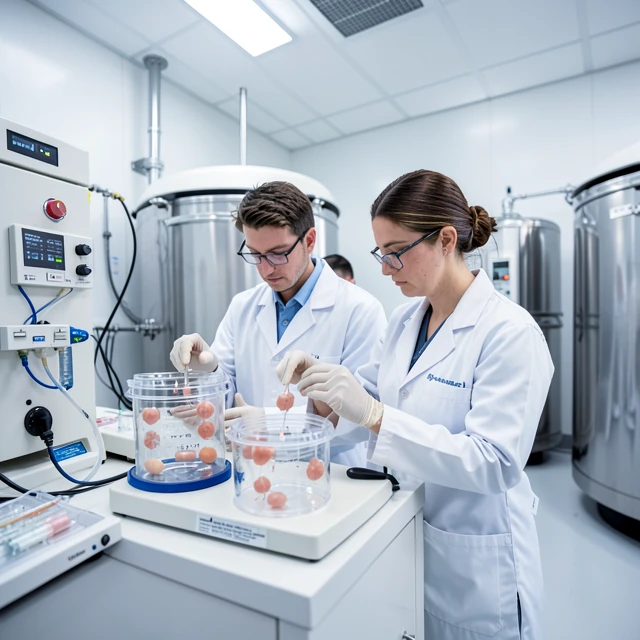
Embryo freezing, also called cryopreservation, lets you store fertilized eggs at very low temperatures for later use. Doctors create embryos through IVF, grow them for a few days, then freeze them quickly using vitrification. This method protects the cells so they stay healthy until you're ready.
Many women choose this option for fertility preservation. Young women facing cancer treatment, chemotherapy, or other health issues often turn to fertility preservation research to protect their ability to have children later. Even without medical reasons, couples dealing with infertility use embryo freezing to save extra embryos from one IVF cycle for future tries.
The beauty of embryo freezing lies in its timing. Eggs frozen at a younger age carry better quality, leading to stronger embryos. This approach gives you control over when to start your family without rushing against your biological clock.

Success rates have improved dramatically thanks to better technology. Today, most clinics report embryo survival rates after thawing between 90 and 97 percent when using vitrification. That means nearly all your embryos stay viable for transfer.
Pregnancy outcomes look even better with frozen embryos in many cases. Research from Stanford Medicine found that frozen embryo transfers achieved a 52 percent ongoing pregnancy rate compared to 45.3 percent for fresh transfers. The difference grows larger for certain patients, reaching up to 73 percent higher success when progesterone levels are high at egg retrieval, especially for women over 35.
Live birth rates depend heavily on your age when you freeze the embryos. Women under 35 often see 45 to 55 percent live birth rates per transfer. For ages 35 to 40, rates sit around 35 to 45 percent. These numbers come from real clinic data and help set realistic expectations.
| Age at Freezing | Embryo Survival Rate | Live Birth Rate per Transfer |
|---|---|---|
| Under 35 | 95%+ | 45-55% |
| 35-40 | 90-95% | 35-45% |
| Over 40 | 85-90% | 25-35% |
According to experts at University of Utah Health, frozen embryos actually deliver slightly higher pregnancy success than fresh ones in many cycles. Storage time does not hurt outcomes either — embryos stay healthy for years or even decades.
For fertility preservation for young women, especially before medical treatments, embryo freezing offers strong results. Studies show cumulative live birth rates around 34 to 41 percent per patient who later uses their stored embryos. That means more than one in three women who return for transfer bring home a baby.

Several key factors influence Understanding Embryo Freezing Success Rates. Your age at freezing tops the list — younger eggs create healthier embryos. The number of embryos you store also matters; having more gives you multiple chances at transfer.
Vitrification beats older slow-freezing methods by a wide margin. Clinics now use this fast-freeze technique almost exclusively, which explains the jump in survival rates. Embryo quality at freezing and the health of your uterus during transfer play big roles too.
Lifestyle choices before freezing make a difference. Eating well, managing stress, and avoiding smoking help produce stronger eggs. Many women combine embryo freezing with preimplantation genetic testing to select the healthiest ones, boosting success even further.
I’ve spoken with countless women who felt empowered after choosing fertility preservation. Take Anna, a 29-year-old facing breast cancer treatment. She froze several embryos before chemo and later welcomed twins after her recovery. Stories like hers show how fertility preservation turns fear into hope.
Another patient, Maria, struggled with unexplained infertility at 32. She created and froze extra embryos during her first IVF round. Two years later, when she felt ready, one thawed embryo led to a healthy baby boy. These real experiences highlight why so many turn to embryo freezing.
The American Society for Reproductive Medicine recommends embryo cryopreservation as a proven option for medical fertility preservation. Their guidelines stress that success depends on your individual situation, so always ask your clinic for personalized rates. You can read more in their committee opinion on fertility preservation.
Cleveland Clinic experts note that frozen embryo transfers often lead to fewer complications like preterm birth or low birth weight compared to fresh cycles. This makes the technique safer for both mom and baby in many cases.
Of course, no method guarantees success. Some embryos may not survive thawing, though this happens rarely now. Multiple pregnancies remain a risk if you transfer more than one embryo. Cost and emotional ups and downs also deserve honest discussion with your doctor.
In summary, Understanding Embryo Freezing Success Rates reveals a powerful tool against infertility. With high survival numbers, strong pregnancy outcomes, and growing fertility preservation research, young women have better options than ever. Talk openly with your fertility specialist, review your personal stats, and create a plan that fits your life and goals.