Navigating IVF Costs in 2025: Your Complete Guide to Planning and Saving
March 22, 2026, 6:42 a.m.
Navigating IVF Costs in 2025 requires smart planning and research. As treatments advance, so do the expenses, but new insurance laws and financing options are making it more accessible. In this guide, you'll find clear breakdowns of costs, insurance tips, details on fertility preservation and IVF, and practical ways to stay within budget while pursuing your family goals.
Understanding IVF: A Step-by-Step Guide
If you're new to fertility treatments, knowing the IVF process helps you budget better. Understanding IVF starts with an initial consultation where doctors review your health history, run hormone tests, and create a personalized plan.
Next comes ovarian stimulation. You take daily medications for about 10 to 14 days to encourage your ovaries to produce multiple eggs. Frequent clinic visits for blood tests and ultrasounds track progress and adjust doses.
When eggs are mature, a quick outpatient procedure under light anesthesia retrieves them using ultrasound guidance. In the lab, embryologists fertilize the eggs with sperm. Embryos grow for three to five days until they reach the blastocyst stage.
A doctor transfers the healthiest embryo or embryos into the uterus. Any remaining high-quality embryos get frozen for future use. The full cycle usually spans four to six weeks from start to finish.
Success rates average around 37 percent per cycle for women under 35, based on national clinic data. This guide ties directly into Navigating IVF Costs in 2025 by helping you anticipate every expense along the way and prepare emotionally for each phase.
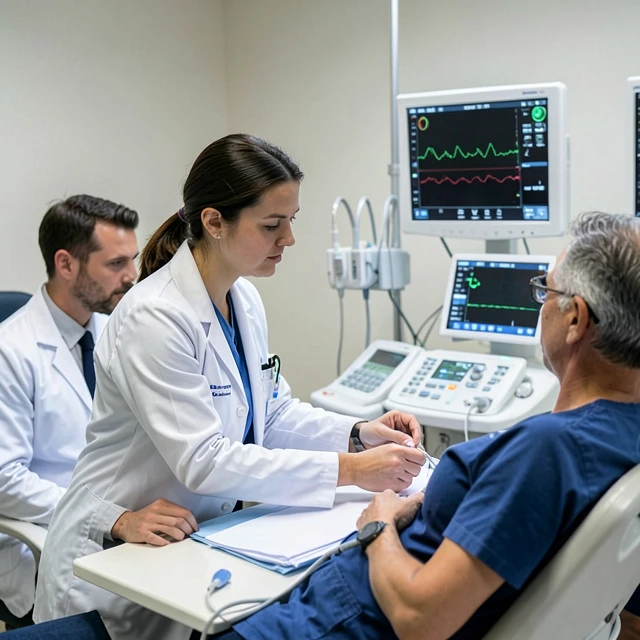
Breaking Down IVF Costs in 2025
Costs vary widely, but most people pay out of pocket for much of treatment. The national average for a single IVF cycle sits between $12,000 and $18,000 for the base procedure that includes monitoring, retrieval, and transfer. Medications alone can add $3,000 to $7,000 depending on your protocol, age, and how your body responds.
Monitoring appointments and lab work typically run $2,000 to $3,500. If you choose preimplantation genetic testing to screen embryos, expect another $3,000 to $6,000. Initial embryo freezing and first-year storage costs $800 to $1,500.
Location plays a big role. Clinics in major cities often charge more than those in smaller areas. Many patients need two or three cycles for success, so plan ahead for the full investment.
Use this table for quick reference:
| Expense Item | Typical 2025 Cost Range |
|---|---|
| Initial Consultation & Testing | $200 - $750 |
| Ovarian Stimulation Medications | $3,000 - $7,000 |
| Egg Retrieval Procedure | $2,000 - $3,000 |
| Laboratory Fertilization | $2,000 - $6,000 |
| Embryo Transfer | $3,000 - $5,000 |
| Genetic Testing (Optional) | $3,500 - $6,000 |
| Annual Embryo Storage | $500 - $1,000 |
For clinic-specific numbers and transparent pricing, check detailed fertility fees from UCSF Center for Reproductive Health. Always request a full written quote that includes every possible fee.
Many clinics now offer bundled packages that cover multiple cycles at a reduced rate. This approach can lower your overall out-of-pocket expense and give you peace of mind knowing you have backup attempts built in.

Insurance and Fertility Treatments: What to Know
Many assume insurance skips fertility care, but changes in 2025 expanded options. About 15 states now require coverage for infertility diagnosis and treatment, with several including full or partial IVF cycles.
New laws in states like California mandate up to three egg retrievals for large employer plans. Other states cover medications or monitoring but stop short of procedures. Self-funded employer plans often remain exempt from these rules.
Review your specific policy early. Contact your insurer or human resources team and ask exactly what is covered, including any lifetime maximums or age limits.
To see full details by state, read the comprehensive insurance coverage by state from RESOLVE. If your plan falls short, explore adding supplemental coverage or switching to a job with better benefits before starting treatment.
The Cost of Fertility Preservation and IVF
Fertility preservation, such as egg freezing, offers flexibility before committing to full IVF. One egg freezing cycle typically costs $10,000 to $15,000, covering medications, retrieval, and initial storage.
When you later use those preserved eggs for IVF, you add embryo creation and transfer fees, but you avoid repeating full stimulation cycles. This combination can reduce total spending over time while protecting egg quality at a younger age.
Many people in their late 20s or early 30s choose preservation to buy time. The total cost of fertility preservation and IVF can reach $25,000 or more across phases, yet spreading payments makes it more manageable.
See expert breakdowns at UCSF for tailored insights on egg freezing timing and costs to decide the best path for your timeline and budget.
Actionable Strategies to Save Money on IVF
Smart planning turns high costs into manageable investments. Begin by collecting quotes from at least three clinics and compare package deals that discount multiple cycles.
Apply for grants from organizations dedicated to fertility support. Many cover thousands of dollars and require only a simple application.
Maximize tax-advantaged accounts like your health savings account or flexible spending account to pay for eligible expenses with pre-tax dollars.
Explore low-interest medical loans or clinic payment plans that stretch costs over months. Some employers now include fertility benefits worth $5,000 to $15,000.
Consider traveling to lower-cost areas if local prices are high, but weigh travel expenses first. Ask about clinical trials or discounted medication programs offered by pharmaceutical companies.
These practical steps help you navigate the financial side effectively while keeping focus on building your family.
Insights from Those Who've Been There
Real families prove that Navigating IVF Costs in 2025 is possible with preparation. Lisa budgeted carefully after discovering her insurance covered only testing. She combined a medical loan with a grant and completed two cycles for under $25,000 total. 'The planning reduced my stress more than anything,' she recalls.
Another couple froze eggs in their late 20s for about $12,000. Years later, using those eggs for IVF cut overall expenses and boosted success odds. Their story shows why early fertility preservation and IVF planning pays off long-term.
These experiences highlight that costs feel less overwhelming when you break them into steps and use every available resource.

Navigating IVF Costs in 2025 comes down to education and action. From breaking down every expense in Understanding IVF: A Step-by-Step Guide to leveraging insurance where available and exploring the cost of fertility preservation and IVF, you now have tools to move forward confidently. Take the first step with a consultation and build your plan. Parenthood is possible without overwhelming debt.