Best Diets for Reproductive Health: Nutrition Strategies to Boost Fertility Naturally
March 18, 2026, 6:45 a.m.
Discovering the best diets for reproductive health can make a real difference when you want to start a family. Drawing from trusted resources like Harvard Health's reproductive health topics, this guide explores how everyday food choices support fertility. Simple changes help many couples facing infertility, age factors, or even fertility drugs.
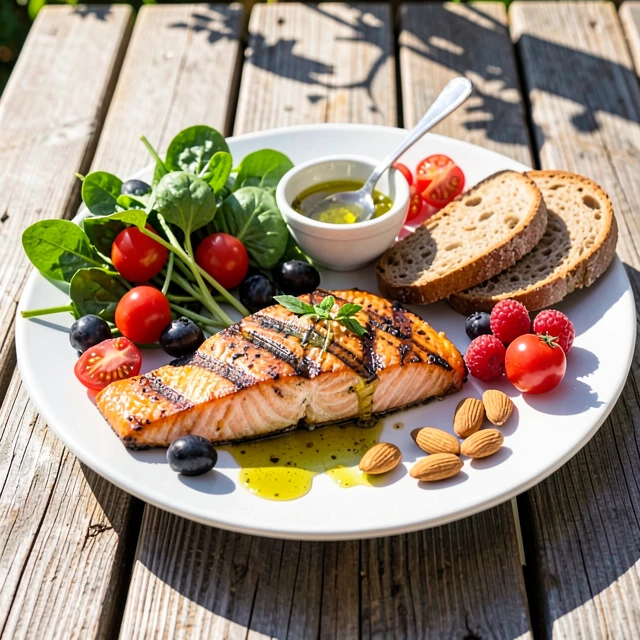
The role of nutrition in fertility goes far beyond basic health. What you eat directly affects hormone levels, egg quality, sperm count, and overall reproductive function. Research shows that diets rich in whole foods can improve ovulation and reduce inflammation, giving your body the best chance at conception.
Many people first learn about infertility when trying to conceive. It affects roughly one in six couples worldwide. Age factors play a big part—women see natural fertility drop after age 35, and men experience slower sperm quality over time. This is when doctors often discuss fertility drugs like Clomid or treatments such as IVF.
Yet diet offers powerful support alongside those options. Studies from Harvard researchers highlight how the right foods can boost success rates, even when fertility drugs enter the picture. You do not need fancy supplements or extreme plans—just consistent, tasty changes.
One standout choice among the best diets for reproductive health is the Mediterranean diet. It focuses on fruits, vegetables, whole grains, healthy fats from olive oil, and lean proteins like fish and poultry. This pattern lowers inflammation and supplies key nutrients such as omega-3 fatty acids and antioxidants.
Why the Mediterranean diet works so well:
- High in plant-based foods that balance hormones
- Rich in folate and vitamin B12 for egg and sperm health
- Low in trans fats that harm fertility
- Includes seafood twice a week for omega-3 benefits
Harvard T.H. Chan School of Public Health experts confirm that women following this style of eating had higher pregnancy rates in large studies. The diet also helps maintain a healthy weight—the fertility zone most doctors recommend.
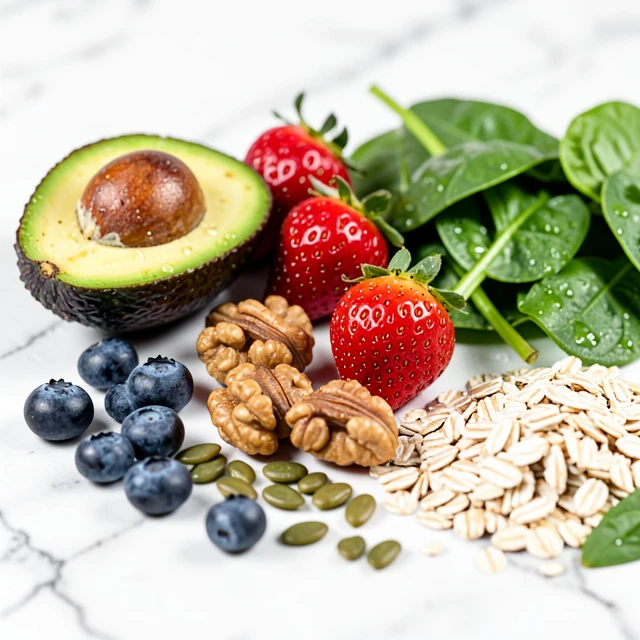
Another proven option comes straight from Harvard research in the Nurses’ Health Study. Their Fertility Diet encourages slow carbs like brown rice and oats instead of white bread or sugary drinks. It also suggests more plant protein from beans and nuts and less red meat.
Drink a daily glass of whole milk if dairy fits your life—it may support ovulation. Keep added sugars and trans fats very low. These small swaps helped thousands of women ovulate more regularly in the original studies.
Here is a simple table of foods to embrace and avoid:
| Eat More | Why It Helps | Limit or Avoid |
|---|---|---|
| Leafy greens, berries, citrus | Antioxidants protect eggs and sperm | Sugary sodas and pastries |
| Salmon, walnuts, flaxseeds | Omega-3s reduce inflammation | Fried foods and margarine |
| Beans, lentils, tofu | Plant protein improves hormone balance | Processed red meats |
| Whole grains and oats | Steady energy without blood sugar spikes | White bread and refined carbs |
Men benefit too. The same Mediterranean patterns improve sperm motility and count. Zinc from nuts and seeds, plus vitamin D from sunlight or fortified foods, matters for both partners. Couples who eat this way together often see faster results.
When age factors or infertility arise, fertility drugs become common. Nutrition still plays a starring role. A nutrient-rich diet can improve how well the body responds to fertility drugs and lower side effects. One National Institutes of Health review notes that women with higher folate and omega-3 intake had better outcomes during assisted reproduction.
Start with small steps you can keep forever. Fill half your plate with vegetables and fruits at every meal. Swap one snack for a handful of nuts. Add fatty fish twice a week. Track how you feel after a month—many readers tell me their energy and cycles improve quickly.

Stay at a healthy weight without extreme dieting. Both very low and very high body weight can affect fertility. Combine your new eating habits with gentle movement like walking or yoga for the best effect.
Remember to talk with your doctor before big changes, especially if you take fertility drugs. They can check vitamin D, iodine, and other levels that many people lack.
In summary, the best diets for reproductive health center on real food that nourishes your body every day. The role of nutrition in fertility offers hope whether you face mild challenges or need medical help with infertility and age factors. Start today with one meal and watch your confidence grow.