Coping with the Emotional Rollercoaster of Infertility: Strategies for Hope and Healing
March 15, 2026, 6:45 a.m.
Coping with the Emotional Rollercoaster of Infertility
Coping with the Emotional Rollercoaster of Infertility can leave you feeling hopeful one day and devastated the next. This guide shares real experiences, practical steps, and details on treatments to help you navigate with strength. You will discover how to prepare emotionally while learning about Understanding the IVF Process: A Step-by-Step Guide, Preparing for Your IVF Cycle, and the role of Gonadotropins.
The path through infertility tests your heart in ways you never expected. One week brings fresh hope with a new treatment plan. The next brings crushing news that sends you reeling. These swings happen to many people, and they feel completely normal. You might cry over a negative test or feel angry at your body. Sharing these moments openly helps you feel less alone.
Many couples describe the experience as a constant up-and-down ride. You plan your life around cycles and appointments. Friends announce pregnancies while you stay silent. Yet small victories, like learning a new coping skill, can shift your outlook. This article gives you tools drawn from real journeys so you can move forward with confidence.

Why Infertility Hits So Hard
Infertility touches every part of your daily life. It brings grief for the family you pictured. You may question your worth or feel isolated at family gatherings. Research shows these feelings run deep.
According to the Mayo Clinic Health System, women facing infertility have anxiety and depression levels equal to those living with cancer, heart disease, or HIV. Women with a past history of depression are twice as likely to experience infertility. Stress can also lower pregnancy rates during treatments. Learn more in the Mayo Clinic Health System's guide on managing infertility stress
The American Society for Reproductive Medicine explains that the long-term inability to conceive creates a deep sense of loss. Medical decisions and uncertainty add to the emotional upheaval. Many people feel grief, fear, and anger all at once. These reactions are valid and common.
Common Feelings You May Experience
You might feel shock when doctors first mention infertility. Guilt can creep in as you wonder if something you did caused it. Anger often follows, aimed at your body or even your partner. Sadness may settle in during quiet moments. These emotions come in waves, and that is okay.
One real perspective comes from couples who say the hardest part is watching others move on with their families. Yet many also discover new strength they never knew they had. Recognizing these feelings lets you address them instead of pushing them away.
Practical Ways to Cope Day by Day
Start by educating yourself. Read about normal responses to infertility and talk with others who understand. Open conversations with your partner help you support each other even when your coping styles differ. Practice simple relaxation like deep breathing or short walks.
Keep your body strong with healthy meals, regular exercise, and good sleep. Take breaks from trying to conceive to reconnect as a couple. The Mayo Clinic Health System suggests mind-body programs that boost pregnancy success from 20 percent to 55 percent in some studies through group support and stress skills.
Create a daily routine that includes self-care. Journal your thoughts to release pressure. Set boundaries with well-meaning friends who ask too many questions. Seek professional counseling if sadness lingers or relationships strain. The American Society for Reproductive Medicine recommends therapists trained in infertility to help process grief and build new coping tools. Explore the psychological impact and support options from the American Society for Reproductive Medicine
Here is a quick list of actionable steps:
- Talk openly with your partner each week about feelings
- Try five minutes of meditation daily
- Join an online or local support group
- Schedule fun dates unrelated to fertility
- Track small wins like completing a treatment step
Understanding the IVF Process: A Step-by-Step Guide
When natural conception is not possible, many turn to IVF. Knowing the steps reduces fear. The process begins with an initial consultation and testing. Next comes ovarian stimulation where medications encourage multiple eggs to grow.
Doctors monitor progress with ultrasounds and blood tests. Then comes egg retrieval under light sedation. Sperm meets eggs in the lab. Embryos grow for several days before the healthiest one is transferred to the uterus. A pregnancy test follows about two weeks later.
Each stage brings its own emotions. The wait after transfer feels endless. Yet knowledge gives you power. Many people say understanding the timeline helps them stay steady through the ups and downs.
Preparing for Your IVF Cycle
Preparation sets you up for success. Start weeks ahead by organizing your schedule around appointments. Stock your home with easy meals and comfort items. Discuss expectations with your partner so you face each step together.
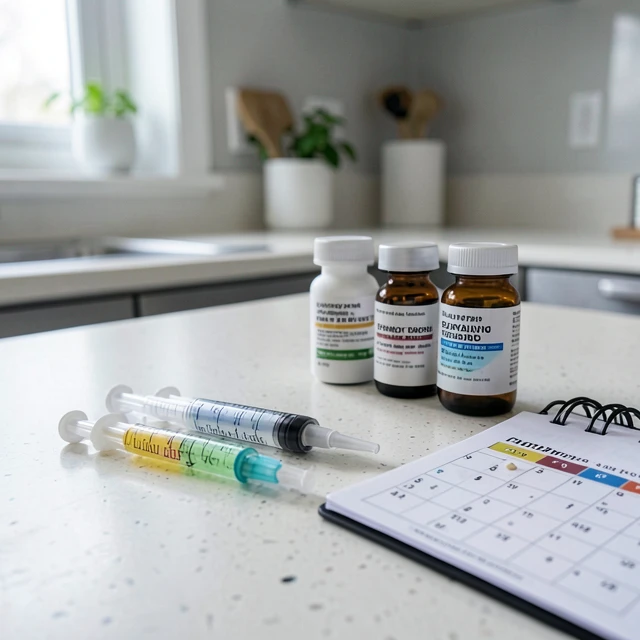
Learn injection techniques early. Arrange support for recovery days after retrieval. Mentally prepare by visualizing calm moments. These small actions turn anxiety into readiness.
The Role of Gonadotropins in Fertility Treatments
Gonadotropins are key hormones used to stimulate the ovaries during IVF. They act directly on the ovaries to help multiple follicles grow. These medications come in different types to match individual needs.
According to the Society for Assisted Reproductive Technology, common forms include products with follicle-stimulating hormone only or combined with luteinizing hormone. Treatment usually lasts 8 to 10 days with daily injections. Doctors adjust doses based on monitoring. See detailed explanations of ART medications from the Society for Assisted Reproductive Technology
Here is a simple table of common types:
| Type | Examples | How It Helps |
|---|---|---|
| FSH only | Gonal-F, Follistim | Stimulates follicle growth for more eggs |
| FSH plus LH | Menopur | Provides extra support for hormone balance |
Your doctor chooses based on your test results. Knowing these details takes away mystery and helps you feel in control.

Staying Strong During Treatment
IVF adds new layers of emotion. The hormone shots from Gonadotropins can cause mood swings. Waiting for results tests patience. Lean on your support circle. Many find that sharing in groups turns isolation into connection.
Continue the coping habits you built earlier. Celebrate each completed step. Remember that every cycle teaches something new, even if the outcome differs from your hopes.
A Final Word of Encouragement
Coping with the Emotional Rollercoaster of Infertility is not easy, but you grow stronger with every twist. You now have tools, knowledge about Understanding the IVF Process: A Step-by-Step Guide, Preparing for Your IVF Cycle, and types of gonadotropins in fertility treatments, plus real strategies that work. Reach out for help when needed. Hold onto hope while caring for yourself today. Your journey matters, and brighter days lie ahead.