Navigating Fertility Preservation and Age: What You Need to Know
March 14, 2026, 6:39 a.m.
Overview
Navigating Fertility Preservation and Age: What You Need to Know helps you understand your choices before time runs out. Fertility drops as you get older, but options like egg freezing can keep your dreams alive. This guide shares clear facts, real-life stories, and ethical considerations in fertility preservation so you can decide what feels right for you.

How Age Changes Your Fertility
Your body changes over time, and fertility is no exception. Women are born with all the eggs they will ever have. By your 30s, the number and quality start to drop. After 35, the decline speeds up. Men see changes too, though slower. Sperm quality can decrease after 40, raising risks for the baby.
Many people wait for the right partner, career, or financial stability. That is normal. But understanding fertility preservation and age early gives you power. You do not have to rush into parenthood if you are not ready.
Your Main Options for Fertility Preservation
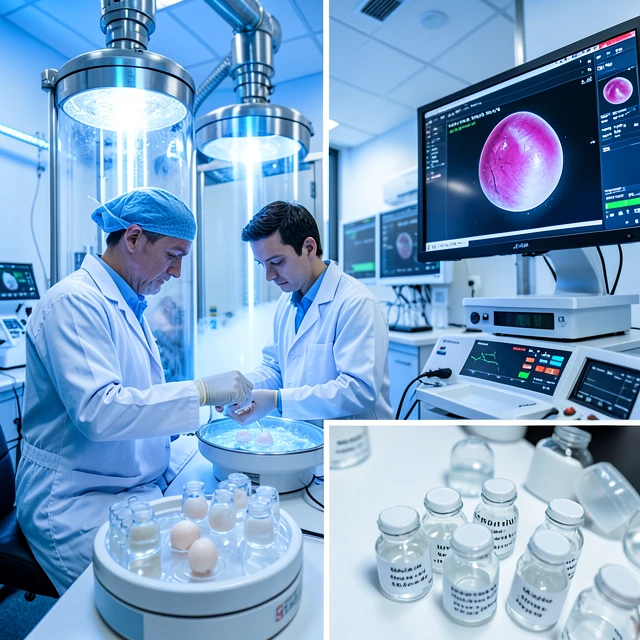
The most common choice for women is egg freezing, also called oocyte cryopreservation. Doctors stimulate your ovaries, collect mature eggs, freeze them, and store them safely. Later, you can thaw them, fertilize with sperm, and use IVF.
Embryo freezing works if you have a partner or use donor sperm. You create embryos first, then freeze them. Sperm freezing is simple and effective for men. Ovarian tissue freezing is newer and often used before cancer treatment.
These methods are no longer experimental. Clinics use advanced vitrification that keeps most eggs alive.
Real Success Numbers by Age
Success depends heavily on the age when you freeze. Here is a clear picture:
| Age When Eggs Are Frozen | Eggs Needed for Good Chance | Approximate Live Birth Chance with 10-15 Eggs |
|---|---|---|
| Under 35 | 8-12 | 40-60% |
| 35-37 | 12-20 | 30-50% |
| 38-40 | 15-25 | 20-35% |
| Over 40 | 20+ | Under 15% |
These numbers come from large studies. Younger eggs freeze better and create healthier babies. Freezing early gives you more options later.
Stories From Real People
Sarah was 34 and climbing the corporate ladder. She froze 18 eggs after one cycle. Today at 39 she is pregnant with her first child using those eggs. "It took the pressure off," she says. "I knew I had a backup plan."
Mike, 42, froze sperm before starting cancer treatment. He now has two healthy kids. These stories show how fertility preservation and age decisions can change lives. Everyone's journey is different, but many feel relief knowing they acted.
The Ethics of Fertility Preservation
The Ethics of Fertility Preservation raises important questions. Is it fair to delay having kids just for career reasons? What about the cost? Many clinics charge $10,000 or more per cycle plus yearly storage fees. Not everyone can afford it.
Some worry about over-selling the idea. Success is never guaranteed. Others ask if society pressures women to put family last. These conversations matter because they shape how we view family and choice.
Ethical Debates in Reproductive Medicine: A Comprehensive Overview
Ethical Debates in Reproductive Medicine: A Comprehensive Overview include who gets access. Should insurance cover fertility preservation for everyone, or only cancer patients? What about transgender people or single parents by choice?
Doctors must balance hope with honesty. They explain risks like multiple pregnancies or health effects on older mothers. The goal is informed consent so you understand every angle before deciding.
Key Ethical Considerations in Fertility Preservation
When weighing ethical considerations in fertility preservation, think about the future child. Will older parents have enough energy? Data shows risks rise slightly with age, but most babies are healthy. Another issue is what happens to unused eggs or embryos. You decide in advance who gets them if something changes.
Clinics follow strict rules. The American Society for Reproductive Medicine offers clear guidance so decisions stay ethical and patient-focused.

When Should You Start?
The best time is before 35 if possible. But even at 37 or 38, many women see good results. Talk to a specialist early. They test your hormone levels and egg reserve with a simple blood draw and ultrasound.
Action steps you can take today: - Schedule a fertility check-up. - Research local clinics and read reviews. - Ask about payment plans or grants. - Discuss with your partner or support network.
Do not wait for the perfect moment. Small steps now protect big dreams later.
Support and Resources
According to the planned oocyte cryopreservation ethics opinion from the American Society for Reproductive Medicine, freezing eggs for future use is ethically sound when done thoughtfully. The Age and Fertility booklet from ReproductiveFacts.org explains risks clearly. For success estimates, the CDC IVF Success Estimator helps you model your odds.
These trusted sources back every claim with solid research.
A Quick Summary
Navigating Fertility Preservation and Age: What You Need to Know comes down to timing, options, and values. Age affects your eggs and sperm, but modern science offers real solutions. Weigh the ethics, talk openly, and act when you feel ready. You deserve a future that matches your dreams.