The Role of Genetics in Male Infertility: What Every Man Needs to Know
March 10, 2026, 6:38 a.m.
Overview
Genetics play a bigger role in male infertility than most people realize. Up to 15% of cases trace back to genes, chromosomes, or tiny DNA changes. Understanding these links opens doors to better diagnosis and real solutions — especially for men facing azoospermia. This guide breaks it down simply so you can take confident next steps.
Male infertility touches millions of couples every year. When doctors say “unexplained,” many times genetics hide in the background. The Role of Genetics in Male Infertility has become clearer thanks to new research and testing. Men who once felt hopeless now have answers — and often, paths to fatherhood.
I’ve spoken with couples who spent years trying before a simple blood test revealed the truth. One man learned he had an extra X chromosome. Another discovered a missing piece on his Y chromosome. Both stories ended with healthy babies after the right treatment. These real experiences show why knowing the genetic story matters.
Let’s start with the basics. Male infertility happens when a man cannot get his partner pregnant after one year of regular unprotected sex. Doctors check sperm count, movement, and shape. When sperm count hits zero, doctors call it azoospermia. This single word changes everything.
Azoospermia splits into two main types. Obstructive azoospermia means sperm get made but cannot get out — often because tubes are missing or blocked. Non-obstructive azoospermia means the testes simply do not produce enough (or any) sperm. Genetics cause many cases of both.
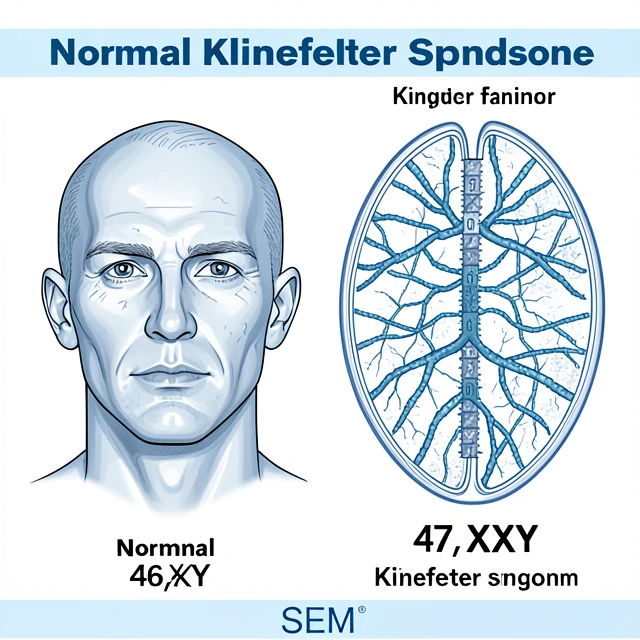
Chromosomal problems lead the list. Klinefelter syndrome (extra X chromosome) affects about 1 in 500 men. Most men with it produce very little or no sperm. Yet modern techniques let many become fathers. Other chromosomal issues include Y chromosome changes that delete key fertility genes.
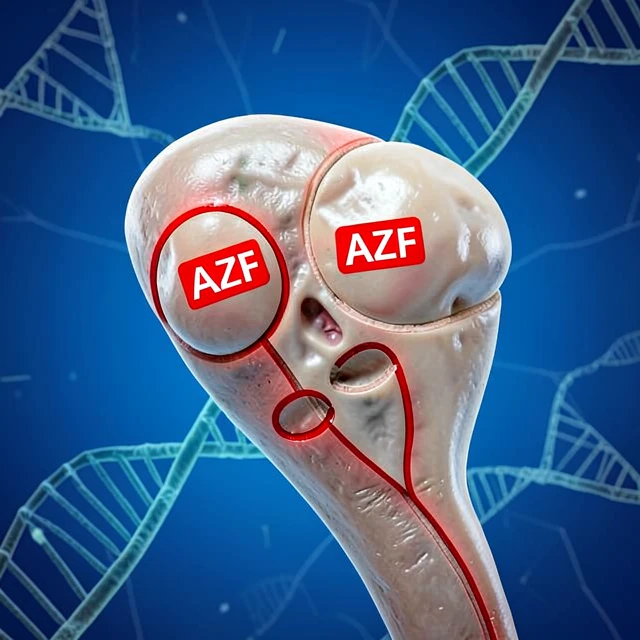
The Y chromosome carries the AZF regions — short for azoospermia factor. Microdeletions here explain 10-15% of severe male infertility cases. AZFa and AZFb deletions usually mean zero chance of sperm in the testes. AZFc deletions give better news: doctors often find sperm with careful search.
Single-gene problems add another layer. CFTR gene mutations cause cystic fibrosis and also block the tubes that carry sperm — leading to obstructive azoospermia. Over 190 genes now link directly to male infertility according to recent 2025 reviews. That number grows every year as scientists sequence more DNA.
Understanding Male Infertility: Causes and Solutions starts with honest testing. Most fertility clinics now offer karyotype analysis (checks chromosome number) and Y chromosome microdeletion testing. These two tests catch many genetic causes quickly and cheaply.
When results come back positive, doctors give clear guidance. For example, men with complete AZFa or AZFb deletions learn that testicular sperm retrieval will almost certainly fail. They can skip painful procedures and move straight to options like donor sperm or adoption. That honesty saves time, money, and heartbreak.
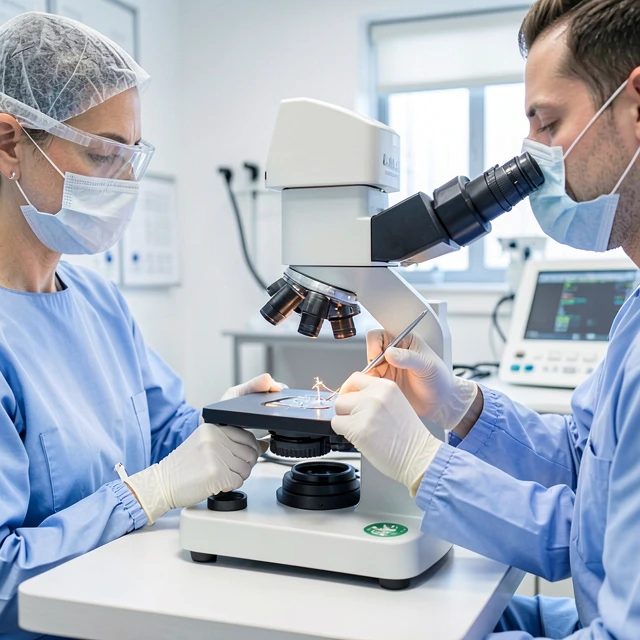
For men with AZFc deletions or Klinefelter syndrome, hope shines brighter. Micro-TESE — microscopic testicular sperm extraction — finds sperm in roughly 40-60% of these cases. Surgeons use a high-powered microscope to spot the tiny areas still making sperm. Then specialists inject one sperm directly into an egg through ICSI.
Success rates vary but stay encouraging. Studies show live birth rates between 18% and 55% when sperm appears. Genetic counselors explain that sons will likely inherit the same Y deletion — so future generations may face similar challenges. Families can prepare and make informed choices.
Here’s a quick comparison of common genetic findings and what they mean for sperm retrieval:
| Genetic Condition | Typical Sperm Finding | Sperm Retrieval Success | Notes |
|---|---|---|---|
| Klinefelter syndrome | Azoospermia | 40-60% with micro-TESE | Hormone support often needed |
| AZFc microdeletion | Severe low or zero sperm | ~50% | Sperm found in patches |
| AZFa or AZFb deletion | Complete azoospermia | Near 0% | Avoid unnecessary surgery |
| CFTR mutations (CBAVD) | Obstructive azoospermia | 95%+ from epididymis | Excellent outcomes |
Lifestyle still matters even when genes play a role. Smoking, heavy drinking, obesity, and heat exposure (saunas, tight underwear) can make genetic problems worse. Simple changes sometimes boost the few sperm that remain.
I remember one patient who cut out alcohol and lost 30 pounds while waiting for his micro-TESE. His doctors found usable sperm on the first try. He now has a toddler and credits both genetics knowledge and his own healthy choices.
Newer tests look at hundreds of genes at once. Whole-exome sequencing finds rare mutations that older tests miss. In 2025 reviews, scientists confirmed 191 genes tied to male infertility. Some affect sperm tail movement, others block early sperm development.
Epigenetics — chemical tags on DNA — also influence fertility. Stress, diet, and environmental toxins can switch genes on or off without changing the DNA code itself. Researchers now study these marks to explain “idiopathic” cases.
For couples facing genetic male infertility, emotional support counts as much as medical care. Many men feel their identity shaken. Talking with a counselor who understands reproductive genetics helps them move forward with confidence.
The Role of Genetics in Male Infertility no longer means a dead end. It means targeted answers. Men with azoospermia now benefit from azoospermia and sperm retrieval techniques that did not exist a generation ago. Science keeps improving.
If you or your partner struggle to conceive, ask your doctor about genetic testing early. A few blood draws can save months of uncertainty. Knowledge truly is power — especially when it leads to the family you dream about.
Summary
Genetics explain many cases of male infertility and azoospermia. From extra chromosomes to Y microdeletions, testing gives clear direction. Advanced sperm retrieval techniques help many men become biological fathers. Stay informed, seek expert care, and remember — hope and science travel together.